

Plant-Based Dye Production Line
ProTrus plant-based dye production lines extract natural colorants from leaves, flowers, seeds, bark and fruit peels and turn them into standardized liquid or powder dyes for textile, cosmetic, food and nutraceutical applications.
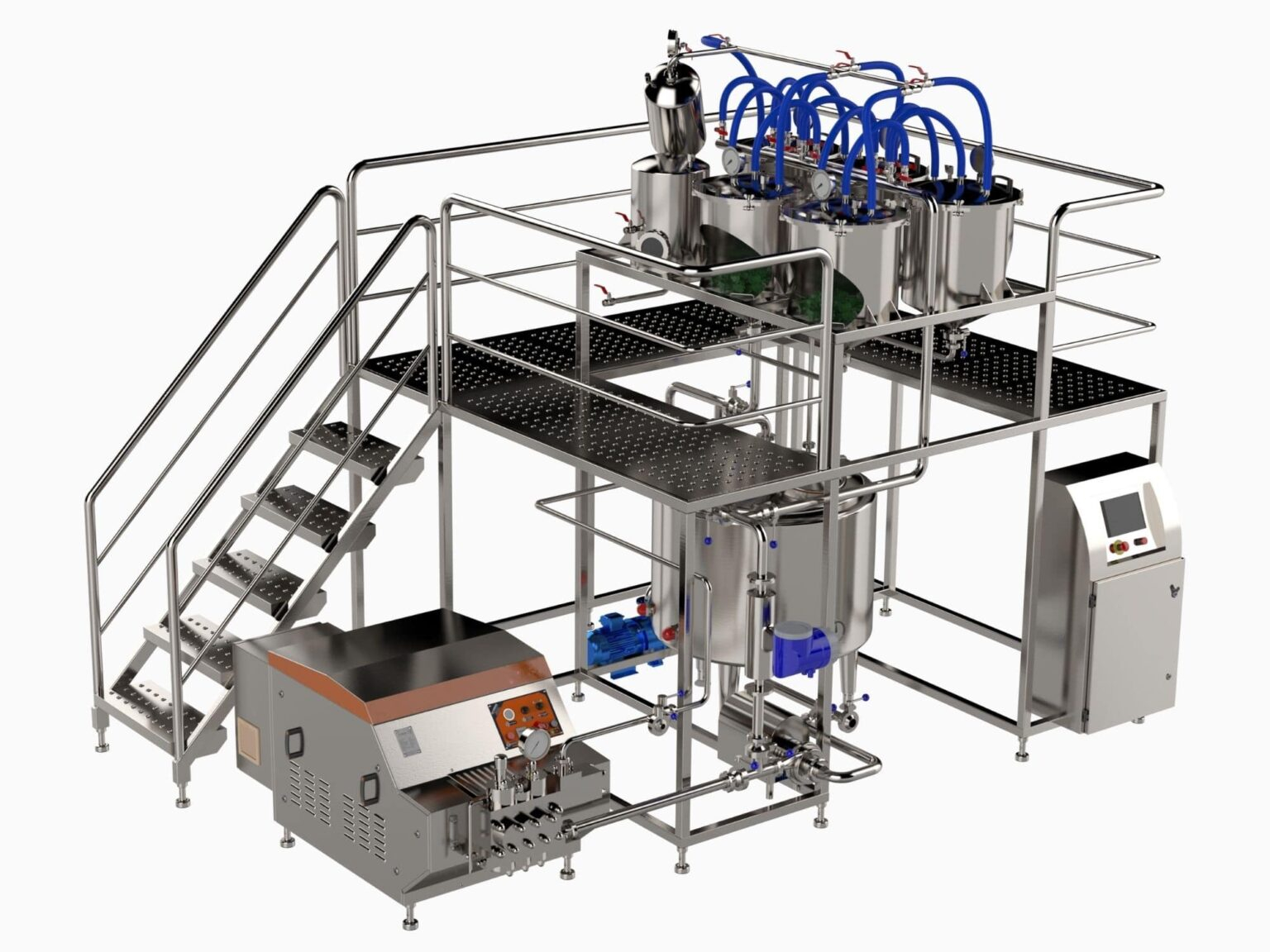
Efficient and Sustainable Natural Dye Processing
Brands in fashion, personal care and food are replacing synthetic colorants with natural alternatives. A plant-based dye production line makes this possible at industrial scale, extracting pigments such as anthocyanins, carotenoids, chlorophylls and indigo from renewable botanical raw materials.
ProTrus designs each line around your raw material and end use. Gentle, temperature-controlled extraction, efficient separation and low-temperature concentration protect sensitive pigments, while recipe-based automation delivers the same color strength and shade in every batch.
Turnkey Project Delivery from a Trusted Partner
At ProTrus, we deliver complete production lines rather than individual machines. Our scope covers process design, 3D layout, equipment manufacturing and factory testing, installation, commissioning and operator training. Lines for food or cosmetic colorants are engineered with hygienic design and documentation that support GMP-compliant production.
Request a Quote for Your Natural Dye Line
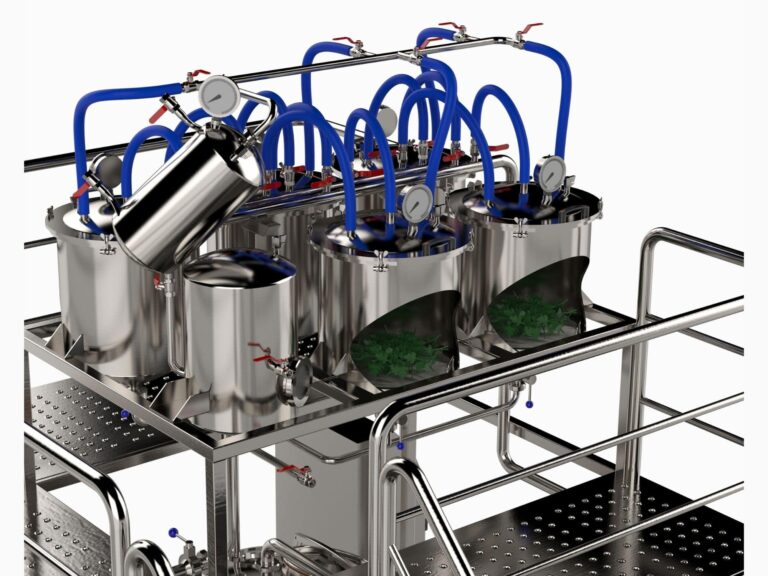
Scalable & Modular System Design
Plant-based dye lines are available in a range of capacities and can be integrated into existing facilities. Thanks to the modular design, you can add raw material lines, solvent recovery or drying capacity later, making future expansion and product diversification quick and cost-effective.
What Is a Plant-Based Dye Production Line?
It is a complete processing system that converts botanical raw materials into natural dyes and colorants. The line prepares the raw material, extracts the pigments with water, steam or food-grade solvents, removes solids, concentrates the extract and—if required—dries it into powder, ready for packaging and shipment.
Raw Materials and Natural Colors
- Leaves: indigo, henna and other leaf-based dyes
- Flowers: marigold, safflower and hibiscus
- Seeds and fruits: annatto seeds, berries and pomegranate peel
- Vegetables: beetroot, purple carrot and red cabbage
- Bark and wood: traditional tannin-rich textile dyes
For madder, alkanet, turmeric and other roots, see our dedicated plant root dye production line.
Applications Across Industries
- Food and beverage coloring
- Natural and organic cosmetic formulations
- Sustainable textile and leather dyeing
- Pharmaceutical and nutraceutical products
Food and cosmetic applications require high purity, documented quality and compliance with the colorant regulations of each target market. ProTrus lines support these requirements with hygienic construction, CIP cleaning and full batch traceability.
Main Process Stages of Plant-Based Dye Production
- Raw material preparation: Washing, sorting, drying and size reduction
- Extraction: Hot water, steam or ethanol extraction in temperature-controlled, agitated vessels
- Filtration and clarification: Removal of solids and impurities
- Concentration: Low-temperature vacuum evaporation to increase pigment content
- Homogenization: Uniform dispersion of liquid dye concentrates
- Drying (optional): Spray drying or freeze drying for powder dye formats
- Standardization and packaging: Adjusting color strength and filling under hygienic conditions
Why Choose ProTrus for Natural Dye Lines?
- Process engineering experience since 2008
- CE-marked equipment and ISO 9001 quality processes
- Custom design for unique raw materials
- Industry 4.0-ready systems with remote monitoring
Develop and validate your process on an extraction miniplant or a pilot spray dryer, then scale up with our large-scale extraction units.
Frequently Asked Questions About Plant-Based Dye Production
What is the difference between plant-based and plant root dye lines?
A plant-based dye line is built for diverse botanical sources such as leaves, flowers, seeds, fruits and bark. A plant root dye line is optimized for dense roots and rhizomes such as madder, alkanet and turmeric, which need more intensive milling and extraction.
Can the line produce food-grade natural colorants?
Yes. With hygienic stainless-steel design, food-grade solvents, CIP cleaning and batch documentation, the line can be engineered for food colorants. Final product approval depends on the colorant regulations of your target market.
Liquid or powder dye—which format should I produce?
Liquid concentrates need less processing and suit direct use in textile dyeing or beverages. Powders are lighter to ship, keep longer and are preferred in many food and cosmetic formulations. The line can be designed to produce both.
How is a plant-based dye line sized?
Capacity depends on raw material type, extraction yield, target color strength and final format. ProTrus sizes each module after reviewing your raw materials and production targets, and the modular design allows later expansion.
Scale Up Your Natural Dye Production
Share your raw materials, end applications and target capacity. Our engineers will design a plant-based dye production line that fits your facility and market.