

Dairy Processing · Turnkey Line
Yogurt, Fruit Yogurt, Drinking Yogurt and Kefir Production Lines
One milk preparation front end, four fermentation routes: process lines for set and stirred yogurt, fruit yogurt, drinking yogurt and ayran, and kefir. ProTrus designs, builds and installs every step, from powder mixing to filling, CIP and utilities.
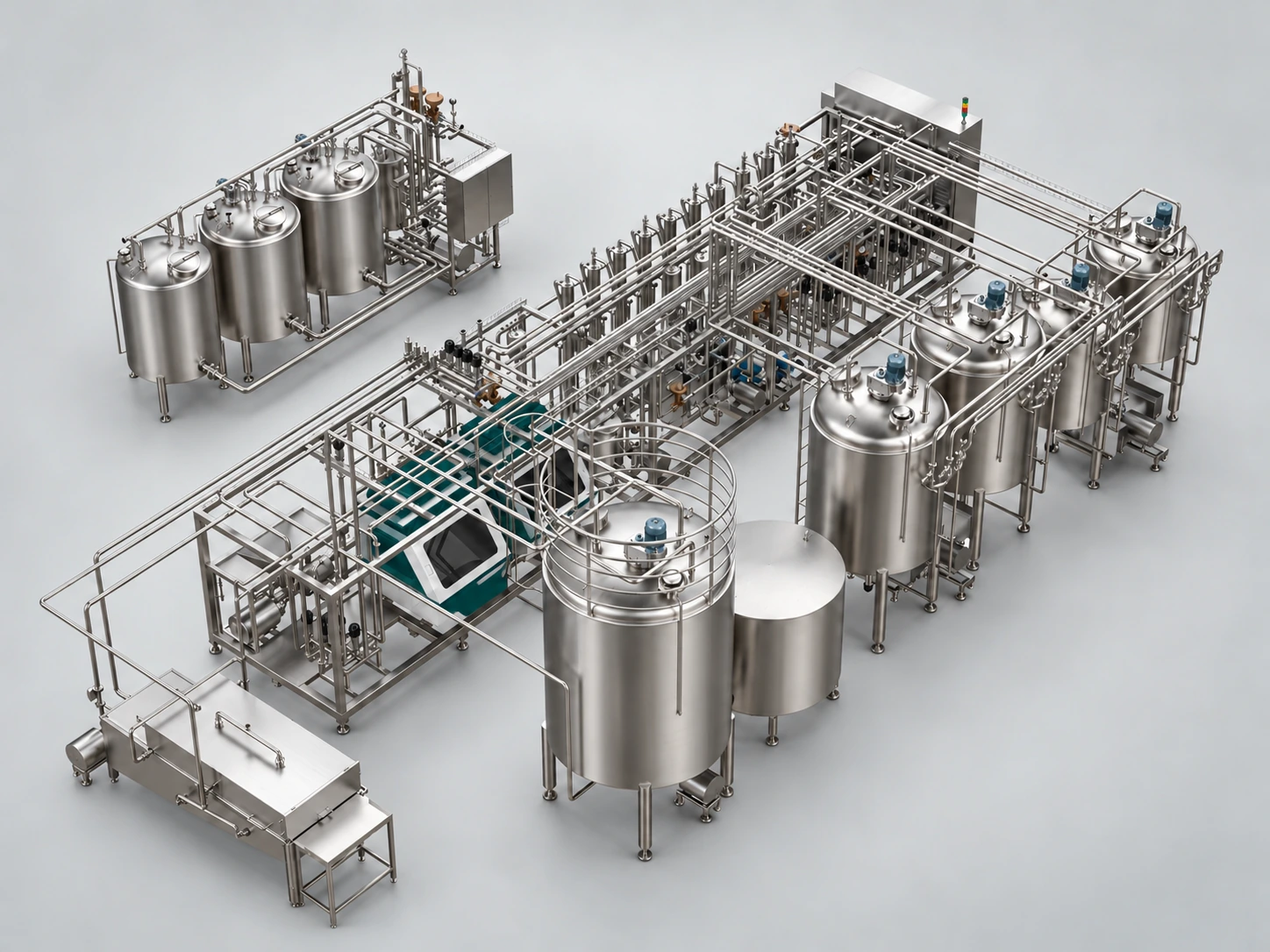
Combined plant · one milk preparation front end feeding every product route
Set
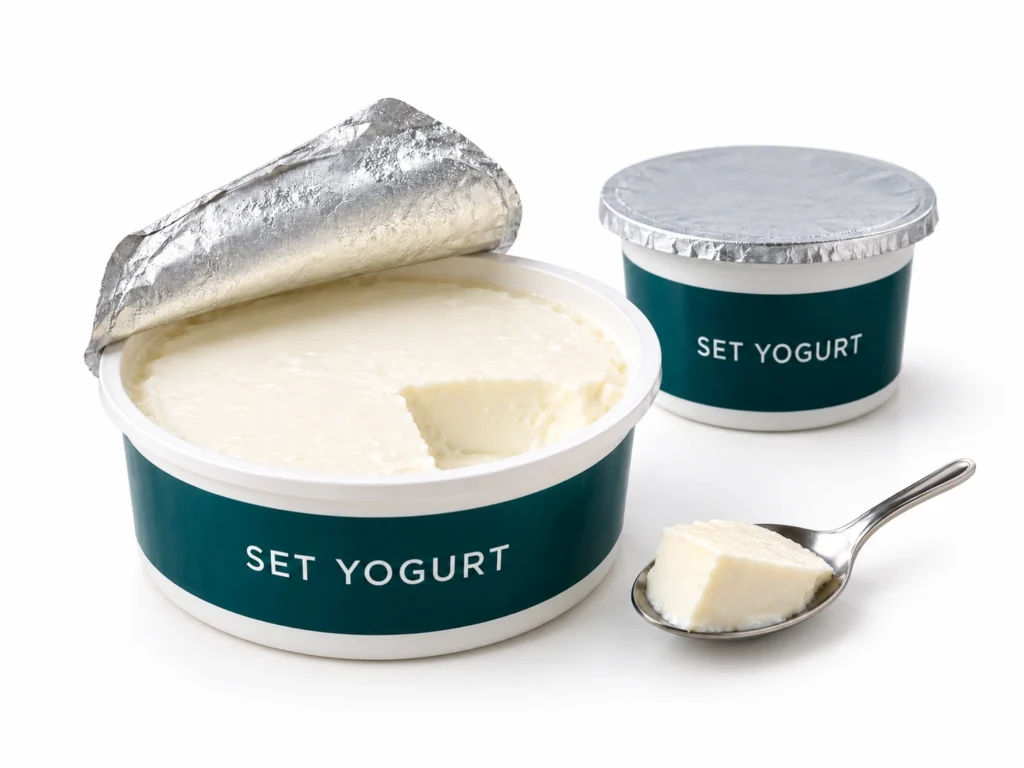
Fermented and cooled in the cup
Stirred & fruit
Tank-fermented, 10–20 % fruit dosed aseptically
Drinking & ayran
Broken, diluted and homogenized after fermentation
Kefir
Bacteria and yeasts at 20–25 °C for 16–24 h
One Milk Preparation Front End, Four Fermentation Routes
Yogurt, fruit yogurt, drinking yogurt and kefir share one front end: milk is standardized, enriched in protein, deaerated, homogenized and heated to 90–95 °C (194–203 °F). What follows decides the product: where it ferments, at what temperature, for how long and how the gel is treated afterwards.
ProTrus designs, builds and installs every step, from powder mixing to filling, CIP and utilities.
A · Yogurt milk preparation Common to all lines
- 1Raw milkReceived, cooled to ≤ 4 °C (39 °F)
- 2StandardizationFat 0.1–4 %, separator or in-line
- 3FortificationPowder mixer, protein 3.5–5 %
- 4DeaerationVacuum, 65–70 °C, less air, firmer gel
- 5Homogenization150–250 bar at 60–70 °C
- 6Heat treatment90–95 °C, 3–5 min, holding tube or tank
Cooled to the inoculation temperature of each product ↓
- Inoculation42–45 °C, in-line culture dosing
- Cup fillingWarm fill and seal, no stirring after
- Incubation room42–43 °C, 3–5 h to pH 4.5–4.6
- CoolingTunnel or room to ≤ 6 °C (43 °F)
- Cold store2–6 °C until dispatch
- Fermentation tank42–43 °C, 2.5–4 h to pH 4.5–4.6
- Gentle coolingPlate or tubular cooler to 18–24 °C
- Buffer tankSmoothing, holds product for the filler
- Fruit dosingAseptic, 10–20 %, in-line mixer
- Cup fillingThen cooled to ≤ 6 °C
- Fermentation tank42–43 °C to pH 4.2–4.5
- MixingWater and salt for ayran, or fruit and pectin
- HomogenizationPost-fermentation, smooth, no whey
- Cooling or thermization≤ 6 °C, or 70–75 °C for longer shelf life
- Bottle fillingPET, HDPE or cups, stored at 2–6 °C
- Inoculation20–25 °C (68–77 °F), grains or DVS culture
- Fermentation16–24 h to pH 4.5–4.6
- Stir and pre-coolGentle, to 10–14 °C in the tank
- Maturation12–24 h, yeasts build flavor and CO₂
- Bottle fillingCooled to 4–6 °C, then dispatch
F · Utilities and cleaning
CIPCaustic, acid and hot water
Hot water and steamHeating to 90–95 °C
Ice water1–2 °C for cooling
Compressed airValves and fillers
Water treatmentProcess and CIP water
Process flow of a combined plant. A: yogurt milk preparation, B–E: product routes, F: utilities and CIP. Select a route to see its line.
Set, Stirred, Drinking Yogurt and Kefir Compared
The culture, the fermentation temperature and what happens to the gel afterwards decide which equipment a line needs.
| Parameter | Set yogurt | Stirred / fruit yogurt | Drinking yogurt / ayran | Kefir |
|---|---|---|---|---|
| Culture | Thermophilic yogurt culture | Thermophilic yogurt culture | Thermophilic yogurt culture | Kefir grains or kefir culture (mesophilic bacteria and yeasts) |
| Temperature | 42–43 °C (108–109 °F) | 42–43 °C (108–109 °F) | 42–43 °C (108–109 °F) | 20–25 °C (68–77 °F) |
| Typical time | 3–5 h | 2.5–4 h | 2.5–4 h | 16–24 h plus 12–24 h maturation |
| After fermentation | Cooling room or tunnel | Break, cool to 18–24 °C, smooth | Break, dilute, stabilize, homogenize | Gentle stirring, staged cooling, maturation |
| Key equipment | Cup filler, incubation and cooling rooms | Fermentation tanks, yogurt cooler, fruit doser | Mixing tanks, homogenizer, bottle filler | Culture tanks, fermentation and maturation tanks |
Building on a different milk base? See our powder-based yogurt line, the evaporator-based yogurt system and the ayran and kefir production line.
Routes B and C · Set and stirred
Yogurt Production Line for Set and Stirred Yogurt
From standardized milk to a firm, smooth yogurt: preparation, heat treatment, fermentation, cooling and filling.
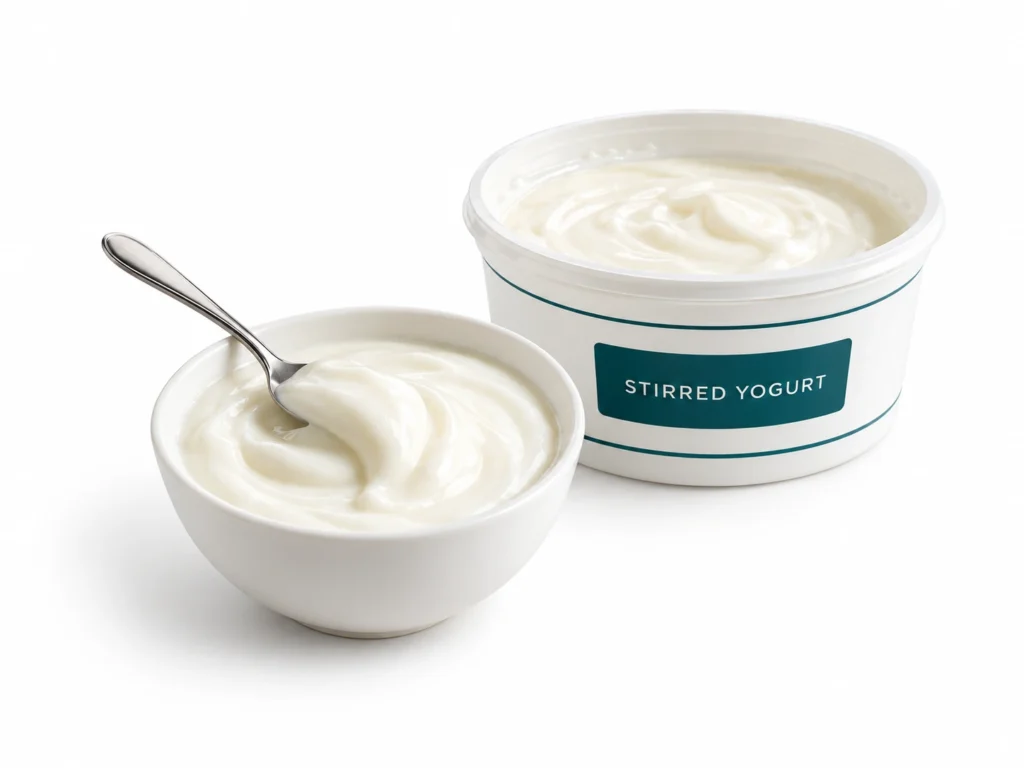
Texture is decided before the culture is added. Protein is raised to 3.5–5 %, air is removed, fat is homogenized and the milk is held at 90–95 °C so whey proteins join the gel. Set yogurt is then filled warm and sets in the cup; stirred yogurt sets in a tank, is broken gently, cooled and filled.
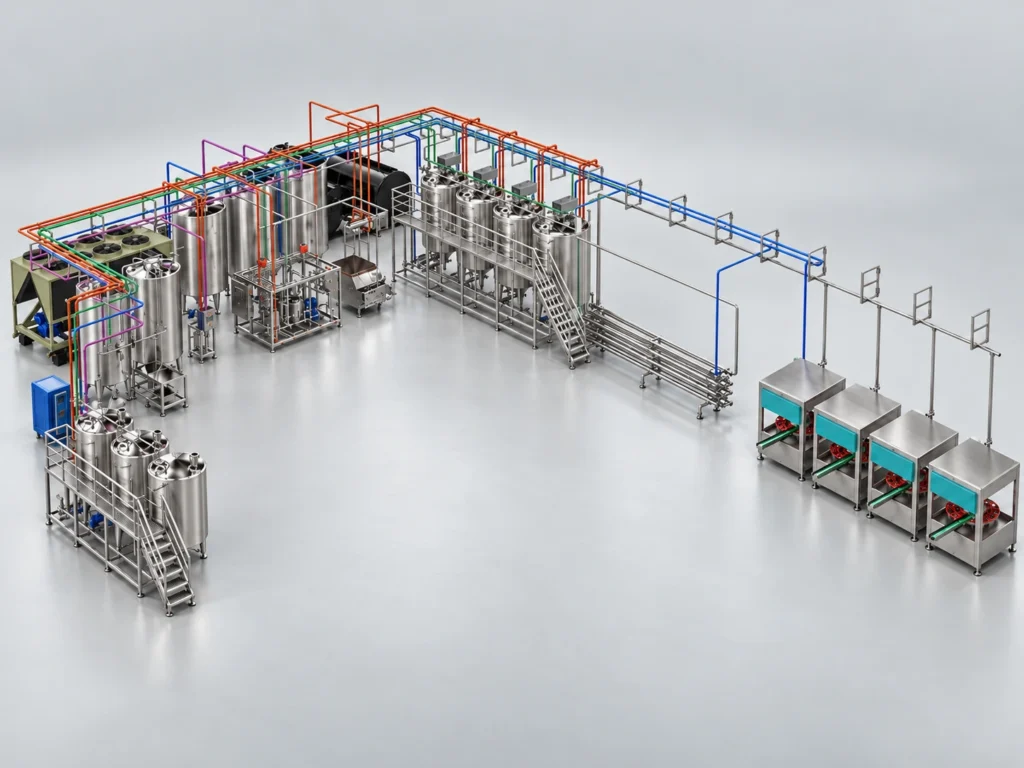
Preparation tanks, pasteurizer and homogenizer, fermentation tanks, tubular cooler and filling stations, connected by color-coded utility piping.
Set Yogurt
Stirred Yogurt
3.5–5 %
protein in yogurt milk after fortification
150–250 bar
homogenization pressure (2,200–3,600 psi)
90–95 °C
for 3–5 min, heat treatment of yogurt milk
Yogurt Process Step by Step
| Step | Process | Typical condition |
|---|---|---|
| 1 | Standardization | Fat 0.1–4 %, protein raised to 3.5–5 % |
| 2 | Powder mixing and hydration | Skim milk powder, milk protein or stabilizer, 20–30 min hydration |
| 3 | Homogenization | 150–250 bar (2,200–3,600 psi), two stages |
| 4 | Heat treatment | 90–95 °C (194–203 °F) for 3–5 min in holding tube or tank |
| 5 | Set yogurt: filling and incubation | Filled warm, incubated in cups at 42–43 °C to pH 4.5–4.6 |
| 6 | Stirred yogurt: tank fermentation | 42–43 °C to pH 4.5–4.6, then gentle breaking |
| 7 | Cooling | Set: room or tunnel to ≤ 6 °C (43 °F). Stirred: to 18–24 °C, then ≤ 6 °C after filling |
| 8 | Cold storage | 2–6 °C (36–43 °F) until dispatch |
Yogurt Line Highlights
Key Machines for Yogurt
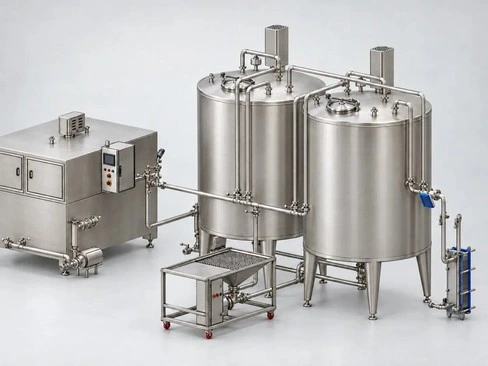
Powder mixing unit
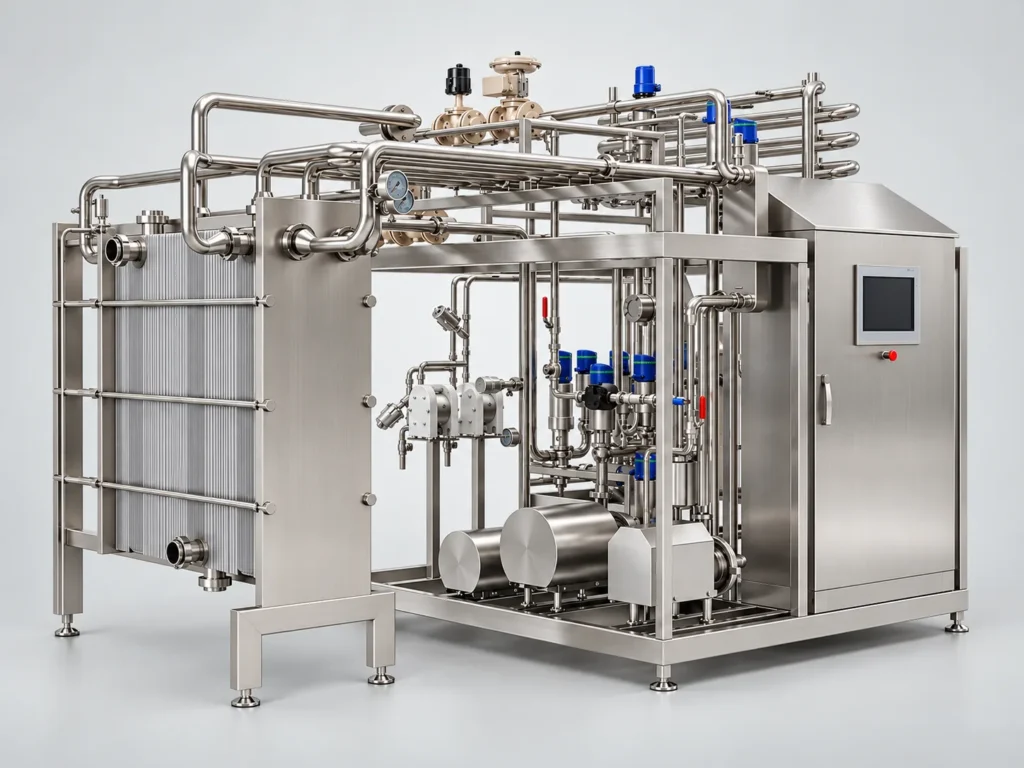
Yogurt milk pasteurizer
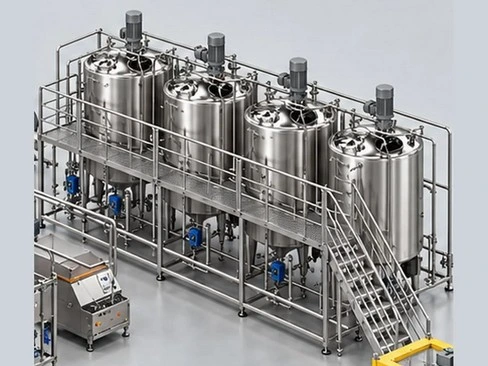
Fermentation tanks
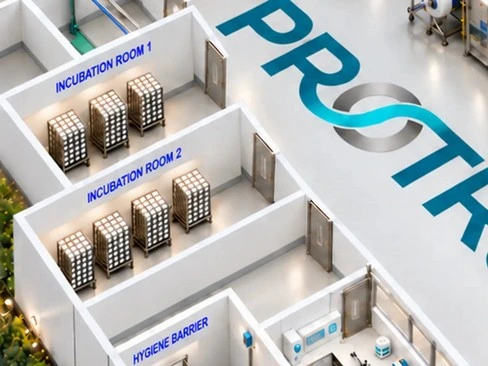
Incubation rooms
Route C · Fruit yogurt
Fruit Yogurt Production Line
Stirred yogurt and fruit preparation brought together hygienically, in the right ratio and without damaging fruit pieces or texture.
Fruit yogurt is a stirred yogurt base with 10–20 % fruit preparation. The fruit side must be handled aseptically, because yeasts and molds from fruit are the main risk for a product with several weeks of cold shelf life. Fruit can be blended in-line, dosed at the bottom of the cup or filled in a separate compartment.
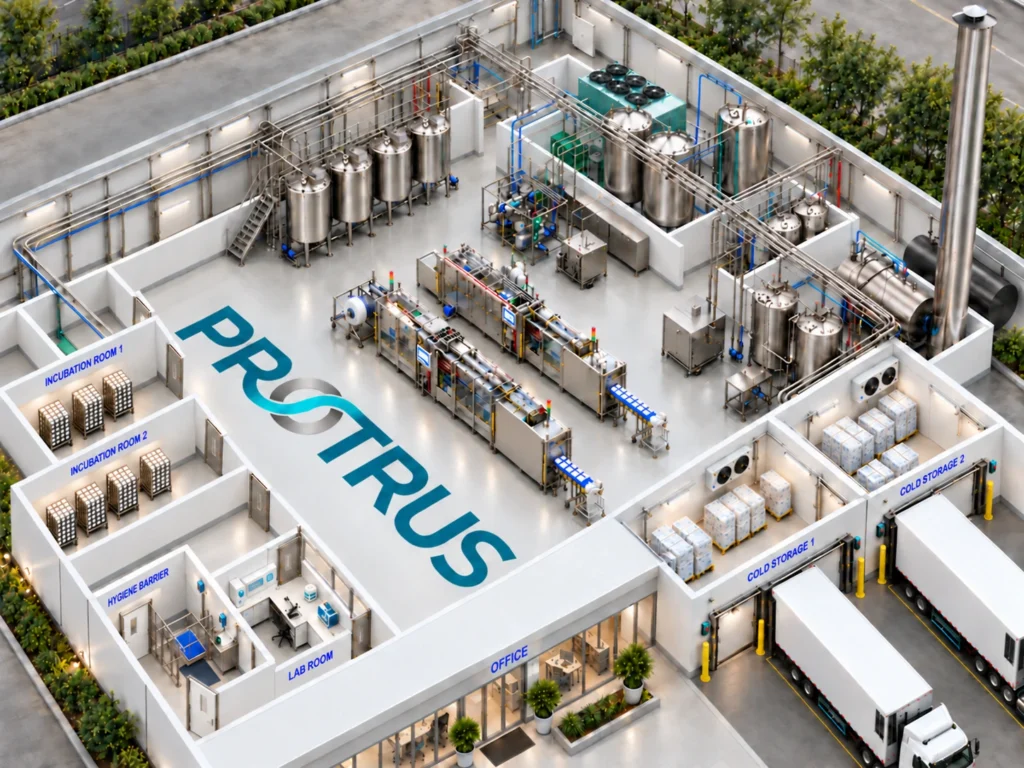
Complete fruit yogurt plant: process area, two cup filling lines, incubation rooms, hygiene barrier, lab, cold stores and loading docks.
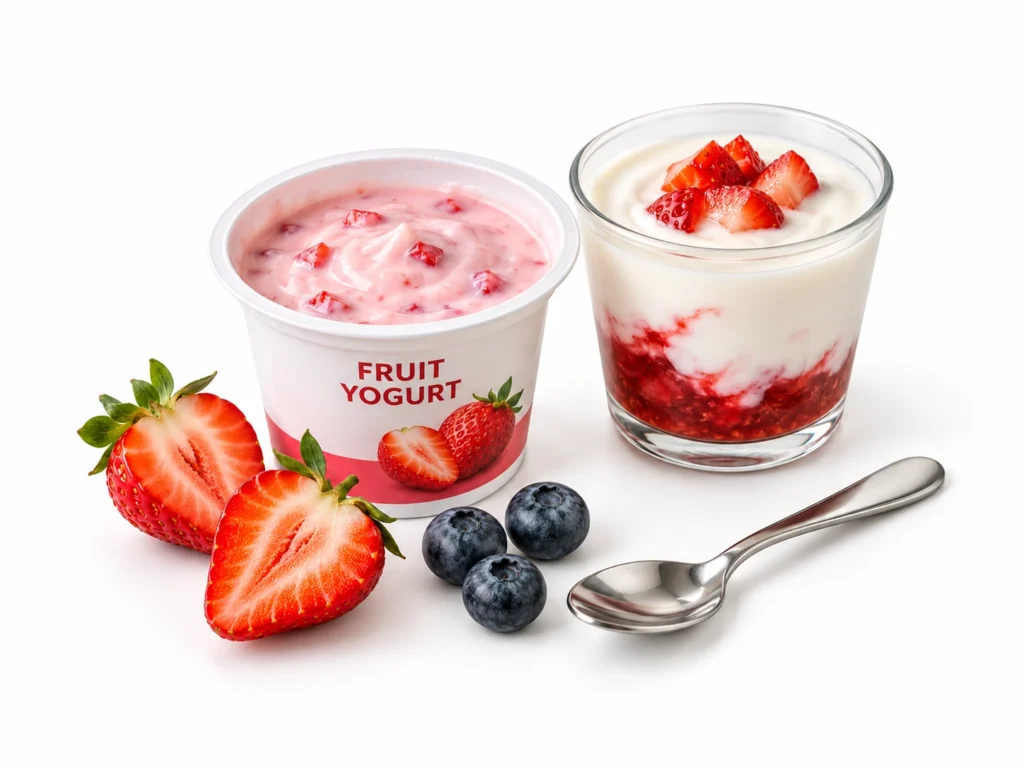
Fruit Yogurt
10–20 %
fruit preparation in the finished cup
pH ≤ 4.0
typical fruit preparation, heat-treated and aseptically packed
18–24 °C
yogurt base temperature at fruit dosing (64–75 °F)
Fruit Yogurt Formats and What They Need
| Format | How it is made | Equipment |
|---|---|---|
| Stirred-in (blended) | Fruit preparation mixed into cooled yogurt base before filling | Aseptic fruit doser, static or dynamic in-line mixer, one filler nozzle |
| Fruit on the bottom | Fruit dosed into the empty cup, yogurt filled on top | Two-stage cup filler: fruit station, then yogurt station |
| Set fruit yogurt | Fruit at the bottom, warm inoculated milk on top, fermented in the cup | Two-stage filler plus incubation and cooling rooms |
| Split cup | Fruit and yogurt in separate compartments | Two-compartment cup filler |
Fruit Yogurt Line Highlights
Key Machines for Fruit Yogurt
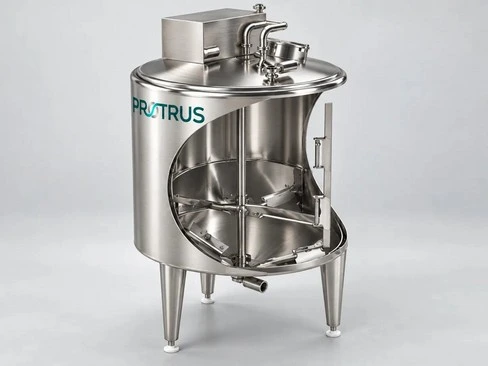
Fruit preparation tank
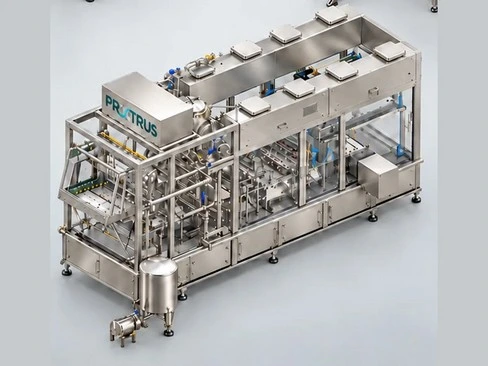
Cup filling and sealing
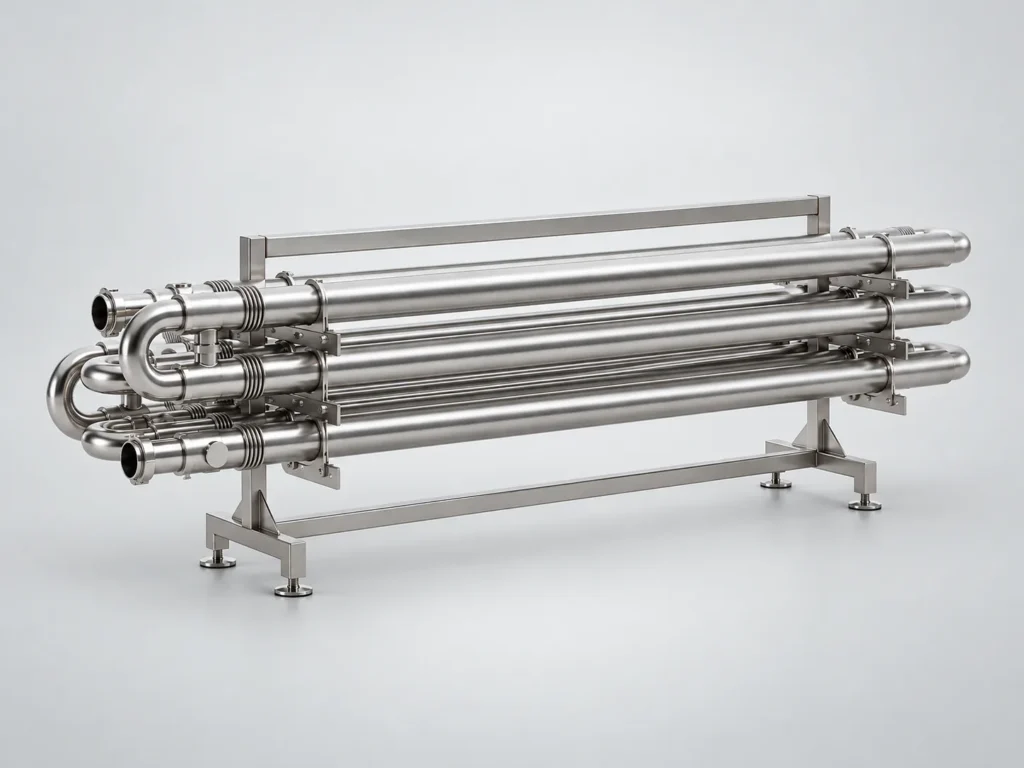
Tubular yogurt cooler
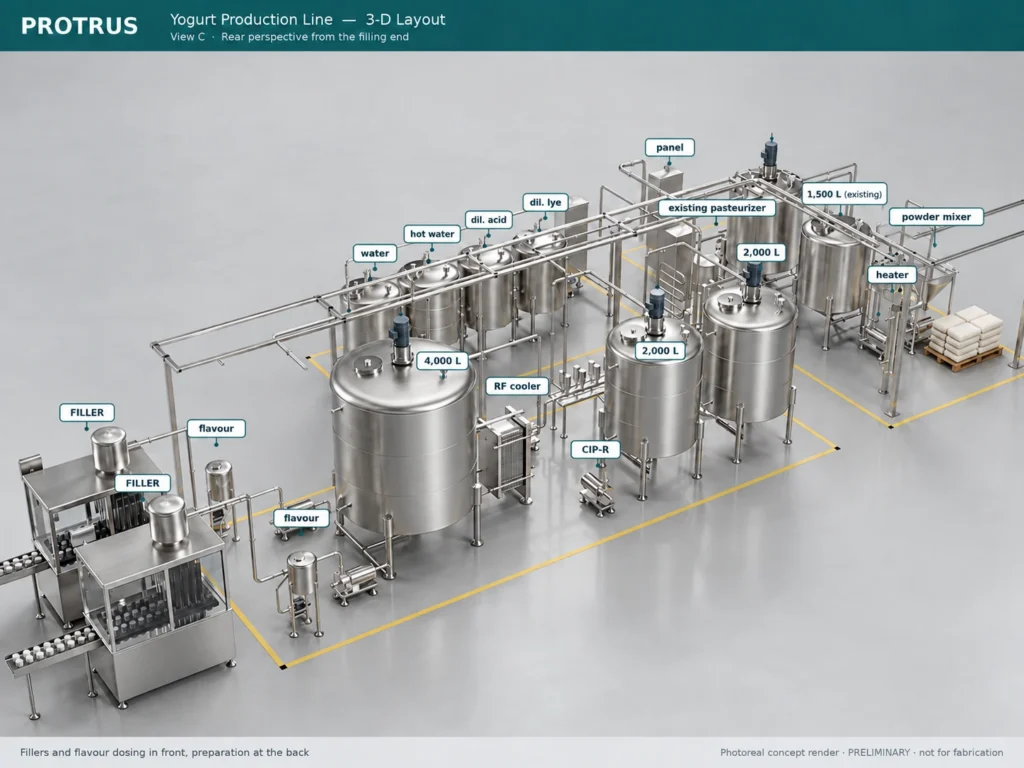
Fillers with flavor dosing
Route D · Drinking yogurt and ayran
Drinking Yogurt and Ayran Production Line
Turning yogurt into a smooth, stable drink that pours easily and does not separate in the bottle.
Drinking yogurt is fermented in a tank, broken and diluted with water, fruit, sugar or salt. Ayran is the salted version with about 0.5–1 % salt. The key task is stability: pectin, correct pH and homogenization after fermentation keep casein particles small, so no whey layer forms in the bottle.
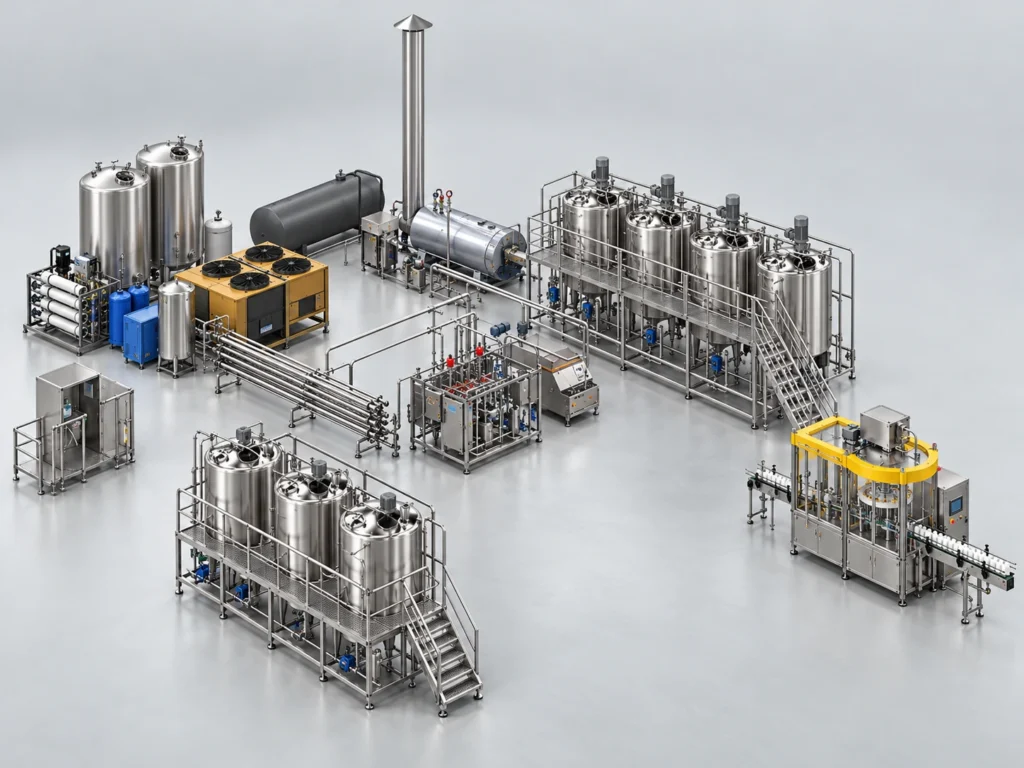
Utilities, tubular heater, pasteurizer and homogenizer, fermentation and mixing tanks and a rotary bottle filler.
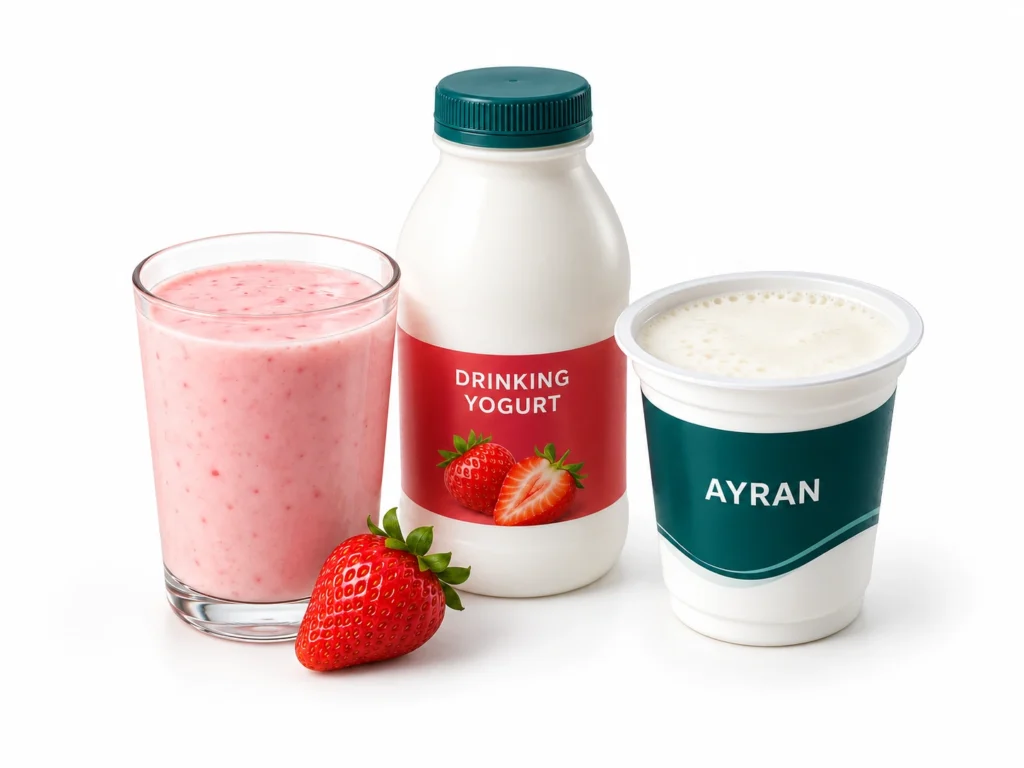
Drinking Yogurt and Ayran
0.5–1 %
salt in ayran
pH 4.0–4.4
stable range for fruit yogurt drinks with pectin
150–200 bar
post-fermentation homogenization (2,200–2,900 psi)
Drinking Yogurt Process
| Step | Process | Typical condition |
|---|---|---|
| 1 | Tank fermentation | 42–43 °C (108–109 °F) to pH 4.2–4.5 |
| 2 | Breaking and pre-cooling | Agitated, cooled to about 20 °C (68 °F) |
| 3 | Mixing | Ayran: treated water and salt. Fruit drink: fruit concentrate, sugar and pectin solution |
| 4 | Homogenization | 150–200 bar (2,200–2,900 psi) at 15–25 °C |
| 5 | Fresh drink | Cooled to ≤ 6 °C (43 °F) and filled |
| 6 | Long-life drink | Heat-treated at 70–75 °C (158–167 °F) for 15–20 s, hot or aseptic filling |
| 7 | Bottle filling | PET or HDPE bottles, cups; stored at 2–6 °C |
Drinking Yogurt Line Highlights
Key Machines for Drinking Yogurt
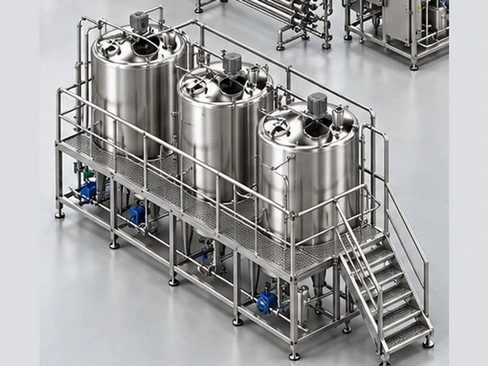
Mixing tanks
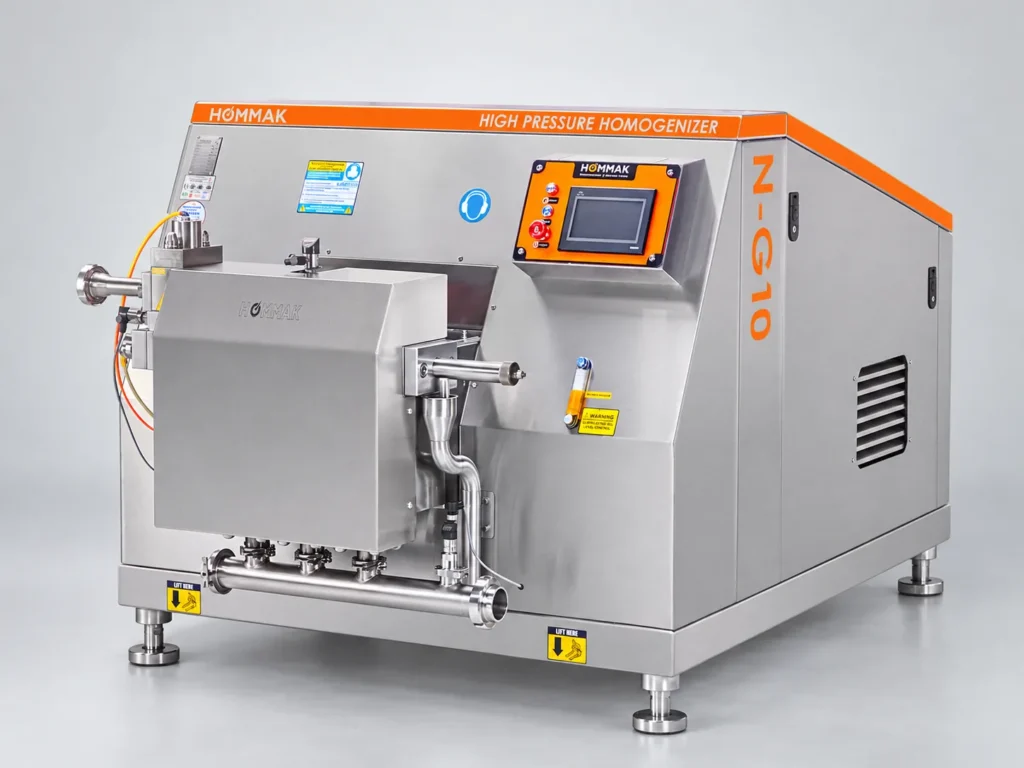
Homogenizer
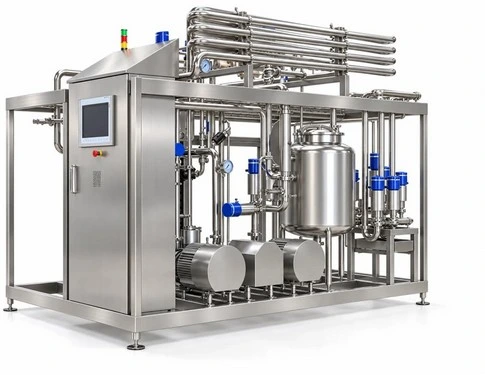
Heat treatment unit
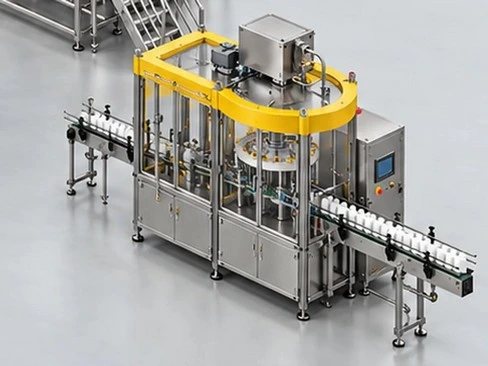
Bottle filler and capper
Route E · Kefir and cultured buttermilk
Kefir Production Line
Low-temperature, long fermentation with bacteria and yeasts for a light, tangy and slightly sparkling cultured milk drink.
Kefir is fermented by lactic acid bacteria and yeasts, either from kefir grains via a mother culture or from direct-vat kefir cultures. Fermentation runs at 20–25 °C for 16–24 hours, followed by gentle stirring, staged cooling and 12–24 hours of maturation. The same equipment makes cultured buttermilk.
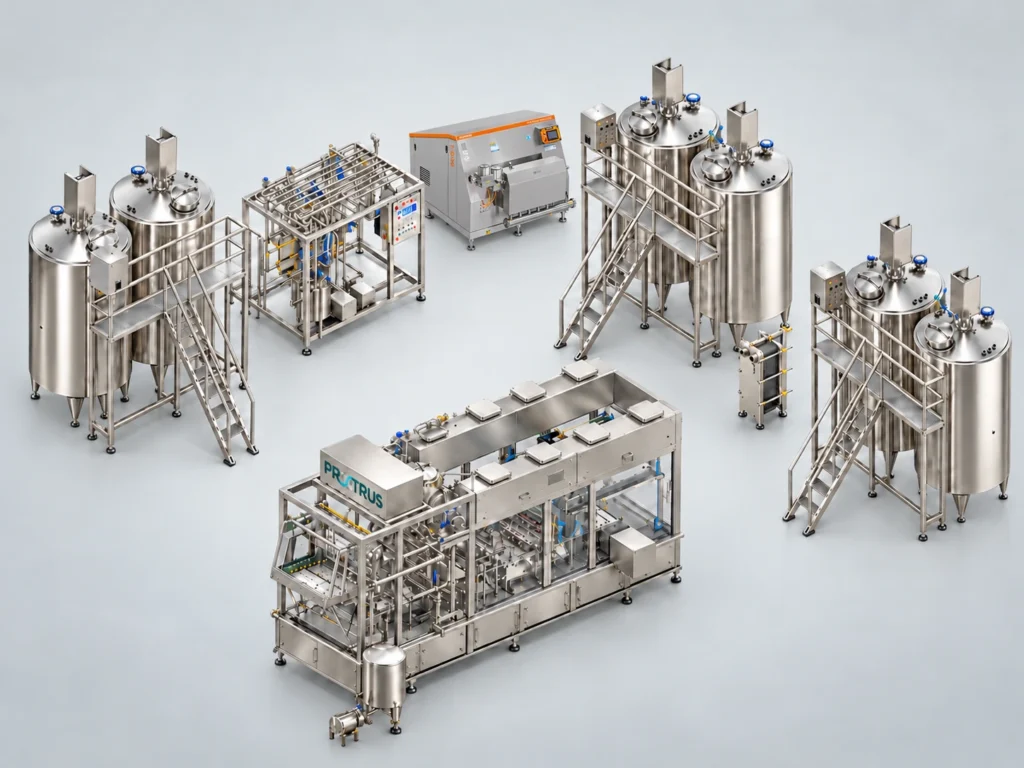
Kefir and cultured buttermilk unit: fermentation and maturation tanks, pasteurizer, homogenizer, plate cooler and filling machine.
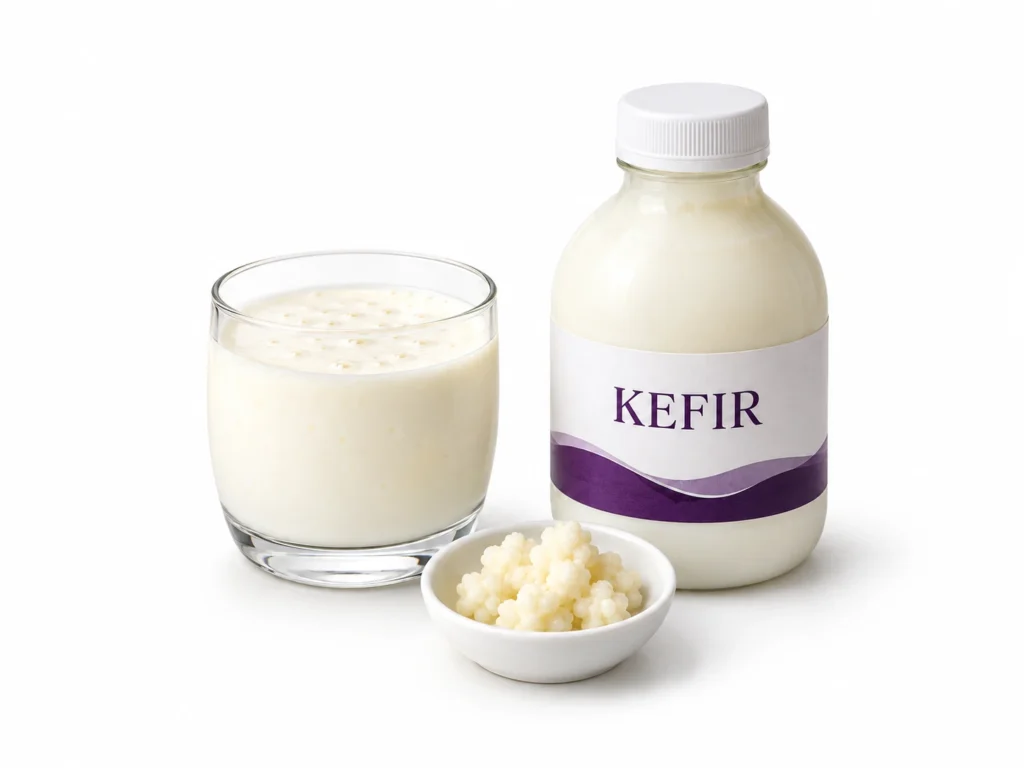
Kefir
20–25 °C
fermentation temperature (68–77 °F)
16–24 h
fermentation to pH 4.5–4.6
2–5 %
inoculation with kefir mother culture
Kefir Production Process
| Step | Process | Typical condition |
|---|---|---|
| 1 | Standardization | Fat 0.5–3.5 %, little or no powder addition |
| 2 | Cooling to inoculation temperature | 20–25 °C (68–77 °F) |
| 3 | Inoculation | 2–5 % mother culture from grains, or direct-vat kefir culture |
| 4 | Fermentation | 16–24 h to pH 4.5–4.6 |
| 5 | Gentle stirring and pre-cooling | To 10–14 °C (50–57 °F) in the tank or through a plate cooler |
| 6 | Maturation | 12–24 h at 8–14 °C; yeasts develop flavor and CO₂ |
| 7 | Final cooling and filling | To 4–6 °C (39–43 °F), filled into bottles or cartons |
Kefir Line Highlights
Key Machines for Kefir
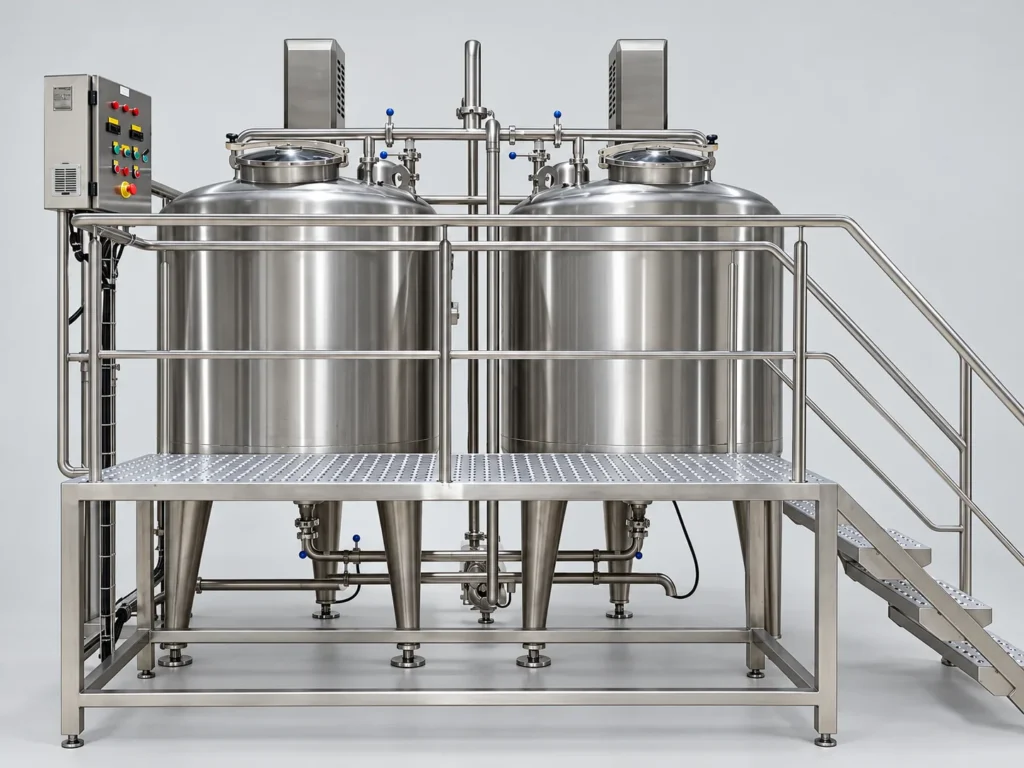
Culture preparation tanks
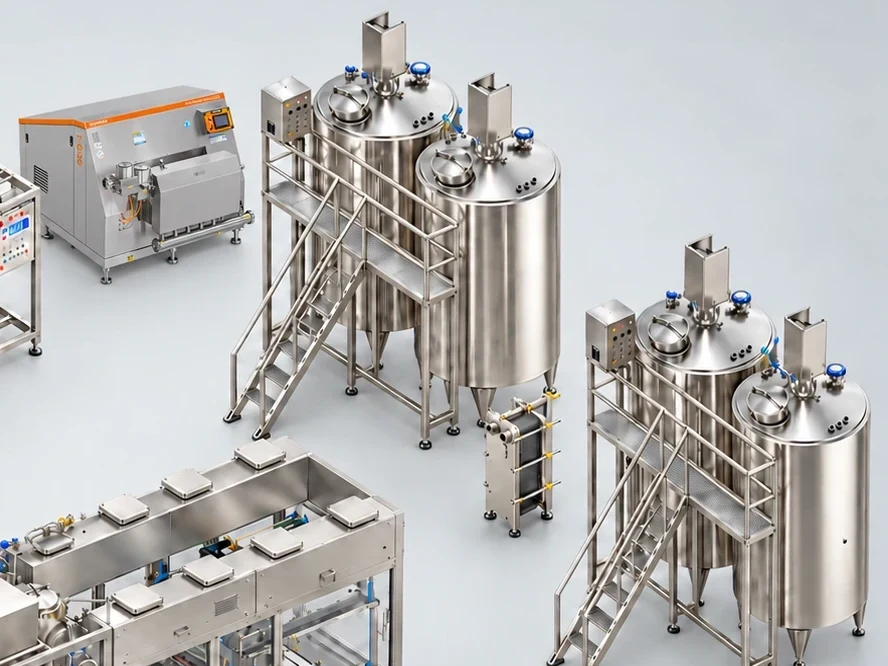
Fermentation and maturation
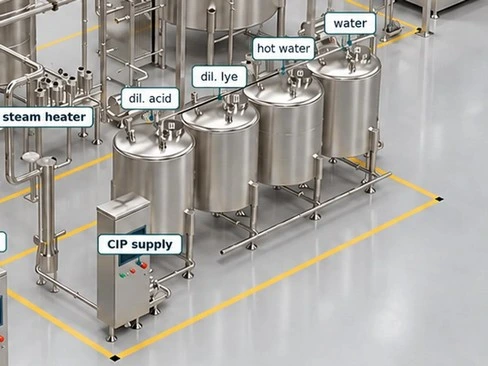
CIP unit
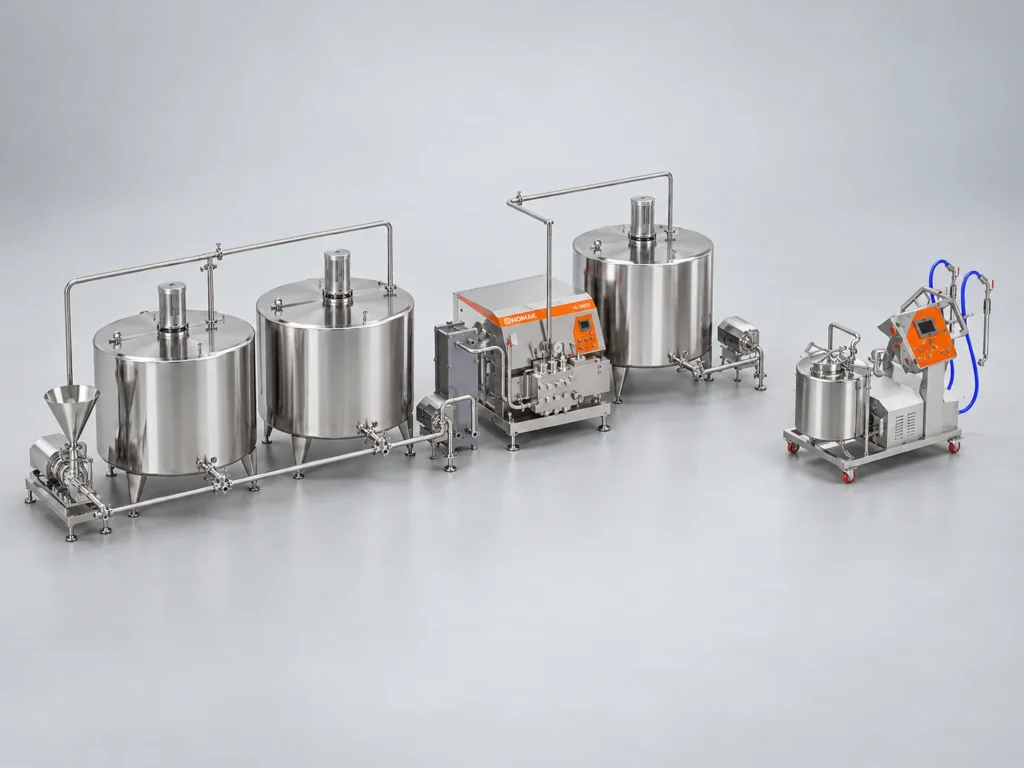
Compact unit
Frequently Asked Questions About Yogurt and Kefir Production
Have a question about your recipe or capacity? Ask our process engineers.
Get a Quote
Planning a Yogurt or Kefir Line?
Tell us your products, daily milk volume, cup and bottle sizes and the output you need per hour. Our process engineers will prepare a line concept, a layout and an equipment proposal.
Prefer email? info@protrus.com