

Project Reference · USA
Cream Receiving System
Protrus built and installed a complete cream receiving system for a US dairy plant: a tanker receiving skid, two 6,000-gallon cooled silos, cream dosing to the pasteurizer tank and a two-tank CIP unit. One PLC runs it all, and the project has been delivered to the customer.
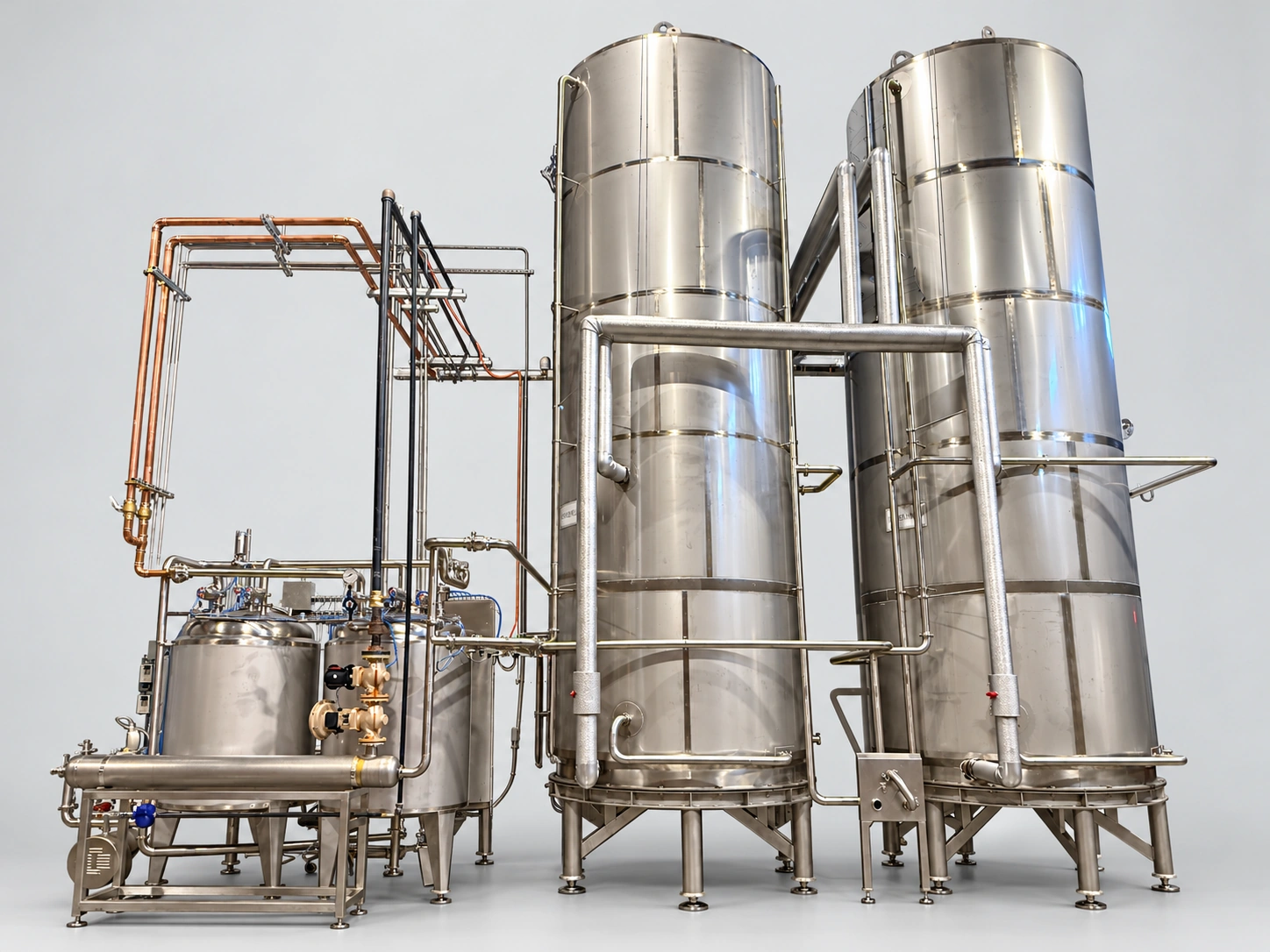
Two 6,000-gallon cream silos with transfer piping and the two-tank CIP unit
Product
Cream with 40–60% fat, delivered by road tanker
Storage
2 × 6,000 gal silos, cooling-jacketed and agitated
Dosing
200 gal to the pasteurizer tank in 5–6 min
Control
One PLC with HMI, from receiving to CIP
From Tanker to Pasteurizer Tank Under One PLC
Cream with 40–60% fat arrives at the plant by road tanker. The receiving skid pumps it out, measures it and records its temperature, the silos store it cold, and the dosing system sends exactly the amount production needs to the pasteurizer tank.
Every step runs from one PLC with an HMI panel, including the automatic CIP that cleans the lines and silos. The plant gets a weight and a temperature record for each delivery and time-and-temperature charts on every silo, in the format US dairy inspectors expect.
- 1TankerCream with 40–60% fat, road tanker delivery
- 2Receiving skidCentrifugal pump, mass flowmeter, PT100 with recorder
- 3Cream silos2 × 6,000 gal (22,700 L), cooled, insulated, agitated
- 4Dosing200 gal in 5–6 min through a 2″ sanitary line
- 5Pasteurizer tankEach dose started from the HMI, metered by flowmeter
Rinse tankWater rinse of lines and silos
Wash tankCaustic, dosed automatically
Stored recipesSame clean every time
PLC with HMIReceiving, storage, dosing, CIP
RecordsIntake temperature, silo charts
Cream path of the Protrus receiving system in the USA, steps 1–5 from tanker to pasteurizer tank. The band below shows the CIP and control functions shared by every step. Select a stage to see its equipment.
What the System Delivers
The system was designed around three needs of a US cream plant: hold enough cream to keep production running, know exactly what came in with every tanker, and keep the paperwork ready for inspection.
More cream on hand
Two cooled silos take full tanker loads, so production runs from stock instead of waiting for the next delivery.
Every load accounted for
Mass-flow measurement and an intake temperature record for each delivery: actual quantity, not an estimate from tank volume.
Records ready for inspection
Time-and-temperature charts on the silos, in the format US inspectors expect.
Even fat to the pasteurizer
Agitation and jacket cooling keep the high-fat cream uniform while it waits in storage.
One control system
Receiving, storage, dosing and CIP all run from one PLC, with dosing started from the HMI panel.
Automatic cleaning
Recipe-based CIP with automatic caustic dosing gives the same clean every time.
2 × 6,000 gal
cream storage (2 × 22,700 L)
200 gal
per dose, in 5–6 minutes (about 757 L)
40–60%
fat content of the received cream
Why Protrus
Step 01 · Receiving
Cream Receiving Unit
Every tanker load is pumped, weighed and temperature-logged on one skid.
Tankers unload through a skid-mounted receiving unit. A centrifugal pump draws the cream out of the tanker and sends it through sanitary stainless lines to the silos.
On the way, a mass flowmeter measures every delivery by weight, so the actual quantity received is on record rather than an estimate from tank volume. A PT100 sensor reads the cream temperature at intake and passes it to a recorder, which leaves a temperature record for each load.
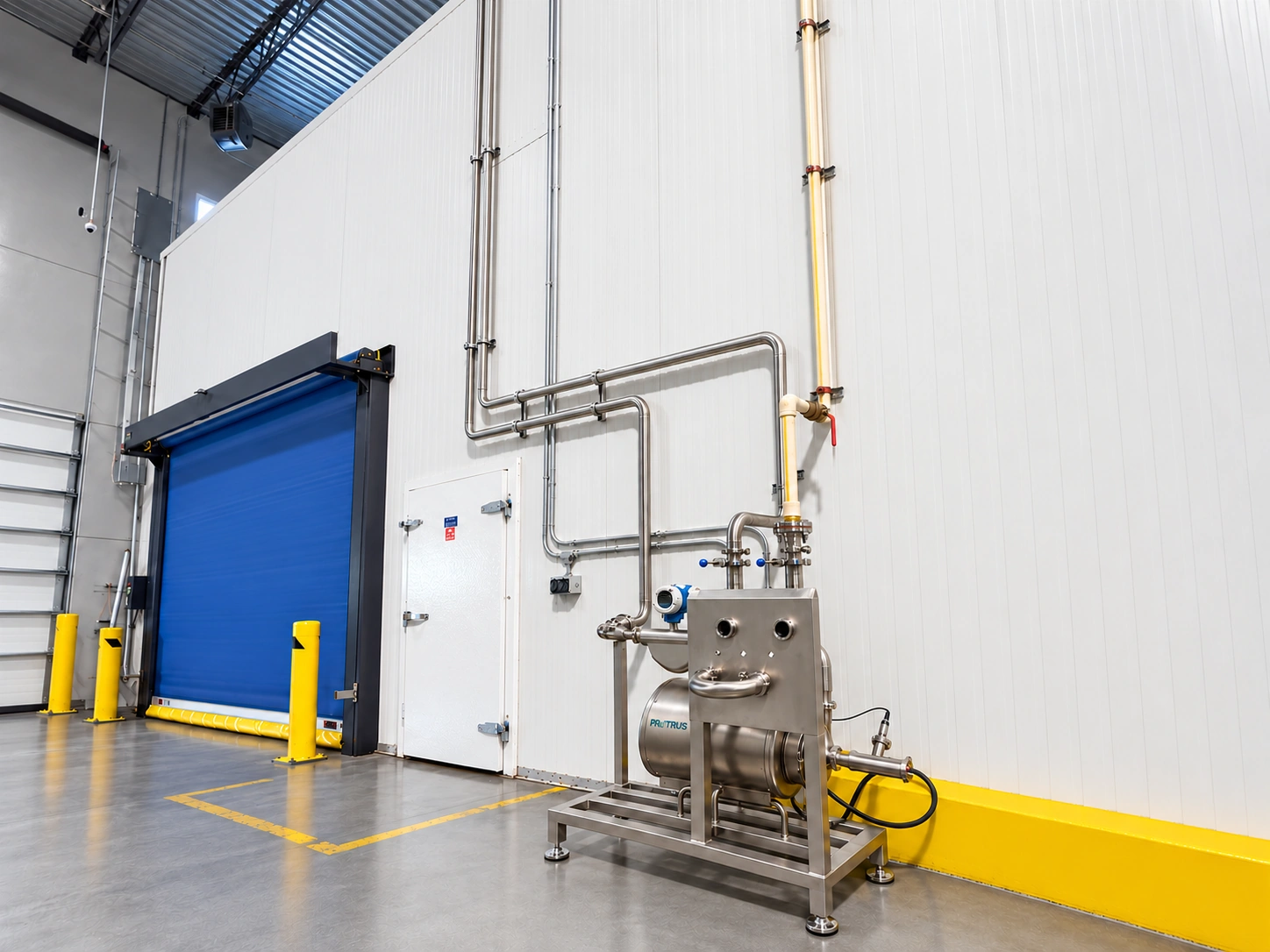
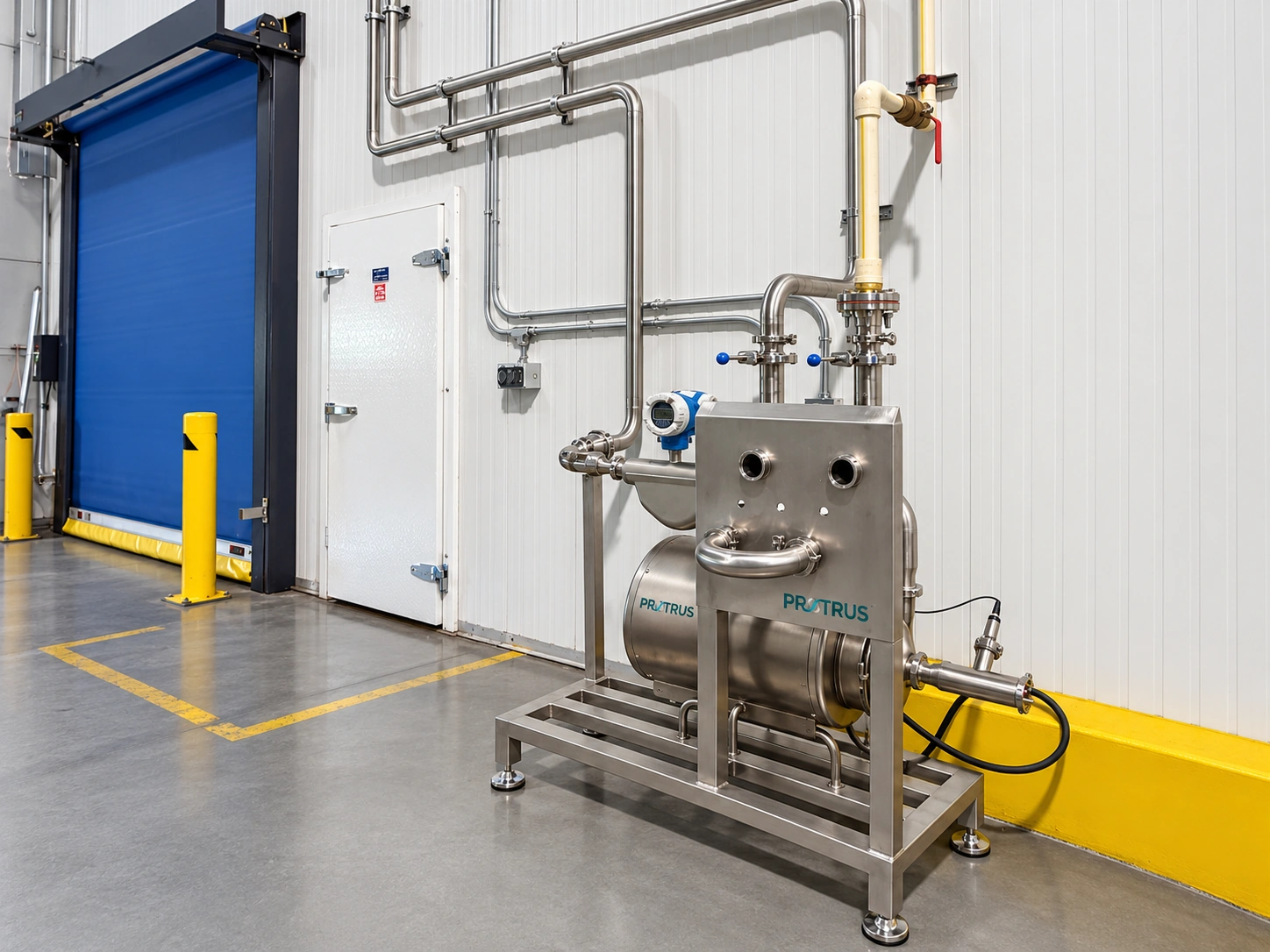
Fig. 1 Cream receiving skid. Sanitary stainless lines carry the cream from the skid to the silos.
On the Receiving Skid
Step 02 · Storage
Cream Storage Silos
Full tanker loads held cold and uniform until production needs them.
Two silos of 6,000 gallons (22,700 L) each hold the received cream until production needs it. Each silo is cooling-jacketed and insulated to keep the cream at storage temperature, and an agitator keeps the high-fat cream uniform, so the fat sent to the pasteurizer stays even from the first dose to the last.

Fig. 2 The two cream silos with their transfer piping. The two-tank CIP unit stands at left.
Each Silo Has
2 silos
full tanker loads in stock
6,000 gal
per silo (22,700 L)
4 sensors
PT100, pressure, low and high level
Step 03 · Dosing
Cream Dosing System
The PLC doses cream from the silos to the pasteurizer tank through a 2-inch sanitary line, with a flowmeter tracking the amount sent.
200 gal
per dose (about 757 L)
5–6 min
dosing time
2″
sanitary dosing line
Step 04 · Cleaning
CIP System
Protrus also built the two-tank CIP system, with a rinse tank and a wash tank. It is fully automatic: it cleans the lines and silos in place by stored recipes and doses caustic automatically.
2 tanks
rinse and wash
Auto
caustic dosing
1 PLC
shared with receiving and dosing
Technical Summary
Main equipment and specifications of the cream receiving, storage, dosing and CIP system delivered in the USA.
| Unit | Equipment | Specification |
|---|---|---|
| Receiving | Product | Cream, 40–60% fat, from road tanker |
| Pump · meter | Centrifugal pump · mass flowmeter · flow switches | |
| Temperature | PT100 sensor with recorder | |
| Storage | Silos | 2 × 6,000 gal (22,700 L each) |
| Construction | Cooling jacket, insulated, agitator | |
| Instruments | PT100 + time/temperature recorder, pressure sensor, low and high level sensors | |
| Dosing | Transfer | Flowmeter, 2″ line, 200 gal in 5–6 min |
| CIP | Tanks · control | Rinse + wash tank, recipe-based, automatic caustic dosing |
| Control | Automation | PLC with HMI, whole system from start to finish |
Planning the next step after the pasteurizer tank? See our cream and butter production unit, the pasteurization and standardization line and our process technology for dairy.
Frequently Asked Questions About Cream Receiving Systems
Have a question about your cream intake, storage or dosing? Ask our process engineers.
Get a Quote
Adding Capacity at Your US Plant?
Protrus helps US producers grow output with engineering and technology support, from one receiving skid to a complete line. Send us your product, daily volume and floor space, and we will propose a layout.
Prefer email? info@protrus.com