
Process Pumps · Positive Displacement

High Pressure Piston Pumps for Viscous and Particle-Laden Products

Thick, particle-laden products moved at a constant rate and up to 600 bar, from tank to dryer nozzle or filler.
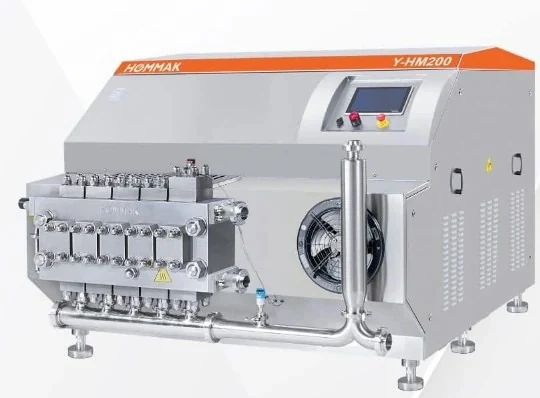
Protrus Y-HM200 high pressure piston pump with multi-piston stainless steel pump head and touch-panel control

Y-HM200 high pressure piston pump: multi-piston stainless steel pump head, touch-panel control.

600 bar

Maximum working pressure

100,000+ cP

High-viscosity series

50 mm

Particle passage, product kept whole

6 models

From pilot unit to large industrial frame

What Is a High Pressure Piston Pump?

A positive displacement pump whose flow is set by the stroke, not by the product.

A high pressure piston pump is a positive displacement pump: on every stroke a piston draws a fixed volume of product into its cylinder and pushes it out against the line pressure. Because the flow is set by the stroke and not by the product, it stays constant as viscosity rises, which is exactly where centrifugal and many rotary pumps lose output.

Protrus piston pumps run at very low speed through a gear reducer, so paste, concentrates, creams and slurries are transferred and dosed without being overheated or sheared, and whole particles reach the next step intact. For droplet size reduction rather than transfer, see our high pressure homogenizers.

Piston Pump Range

Six frame sizes in one range. Each pump is configured for the flow rate, working pressure, valve design and product-contact materials of your process, so two pumps of the same frame can be built very differently.
Protrus high pressure piston pump Y-HM200
Piston Pump Y-HM200
Protrus high pressure piston pump N-HM100
Piston Pump N-HM100
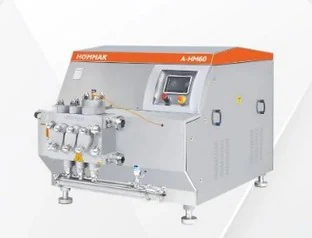
Protrus high pressure piston pump A-HM60
Piston Pump A-HM60
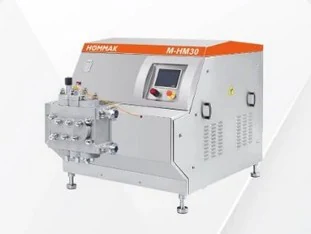
Protrus high pressure piston pump M-HM30
Piston Pump M-HM30
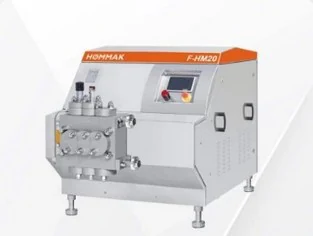
Protrus high pressure piston pump F-HM20
Piston Pump F-HM20
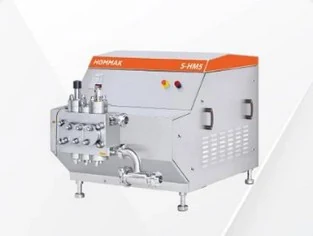
Protrus high pressure piston pump S-HM5
Piston Pump S-HM5

How a High Pressure Piston Pump Works

The motor turns a gear reducer and crankshaft at very low speed. On the suction stroke the piston pulls back, the suction valve opens and product flows in from the feed tank under gravity or a small head, so no separate feed pump is needed.

On the discharge stroke the suction valve closes, the discharge valve opens and the product is pushed into the line at the pressure the nozzle, dryer or filler requires. Two, three or five pistons work out of phase to give a smooth, low-pulsation flow.
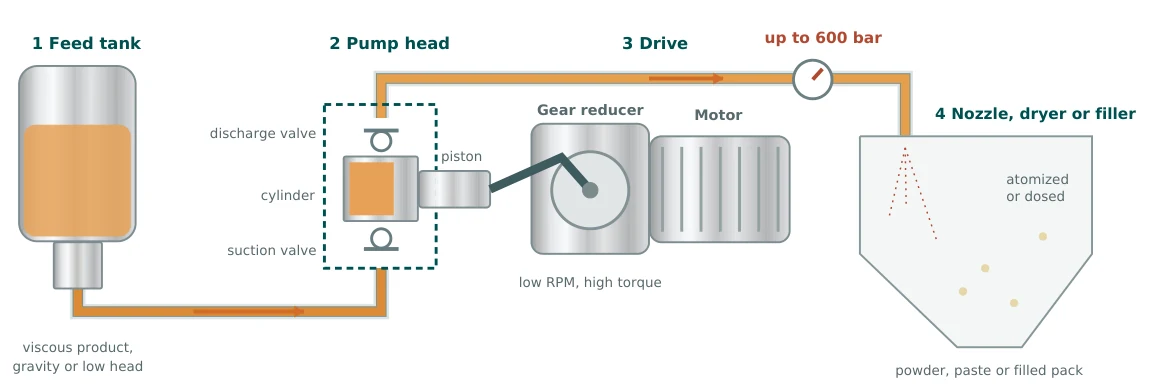
How a high pressure piston pump works: feed tank, pump head with suction and discharge valves, gear reducer drive and nozzle, dryer or filler at up to 600 bar

Feed tank, pump head with suction and discharge valves, gear-reducer drive and nozzle, dryer or filler at up to 600 bar.

Key Features

  • Up to 600 bar, flow independent of viscosity
  • Above 100,000 cP, particles up to 50 mm
  • Self-priming suction: no feed pump needed
  • Stainless steel monoblock pump head
  • Gear-reducer drive at very low RPM
  • Wear-resistant polymer seals and valves
  • Low noise, quick-release modular head
  • Simplex, triplex and multi-piston versions
  • Hygienic, CIP-ready food and pharma build

Choosing the Right Piston Pump

1. Viscosity: at pumping temperature.

2. Pressure: below the pump rating.

3. Flow: L/h or m³/h with a margin.

4. Particles: smaller than the valve passage.

5. Temperature: sets seals and materials.

6. Shear: low speed for delicate products.

7. Hygiene: CIP/SIP for food and pharma.

Applications of High Pressure Piston Pumps

Wherever a product is both thick and has to reach high pressure, a piston pump is the reliable choice: feeding spray dryer nozzles for milk, protein and detergent powders, transferring tomato paste and margarine, and dosing sauces, pastes and creams on filling lines.

Dairy
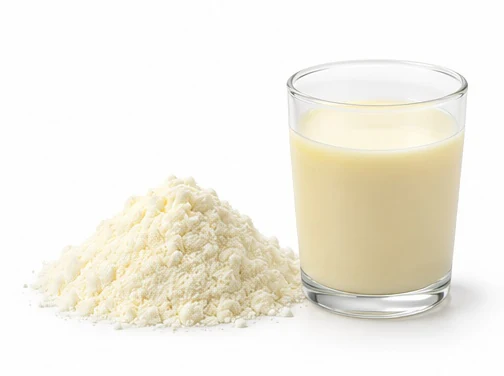
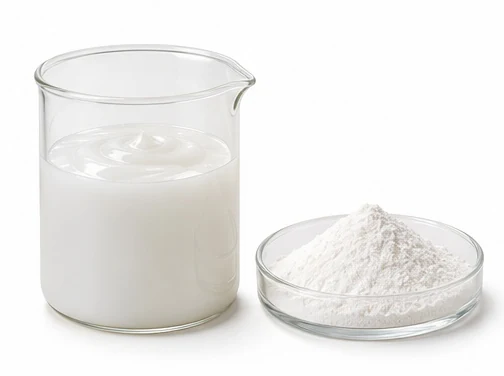
Milk powder pumped with a high pressure piston pump
Milk powder
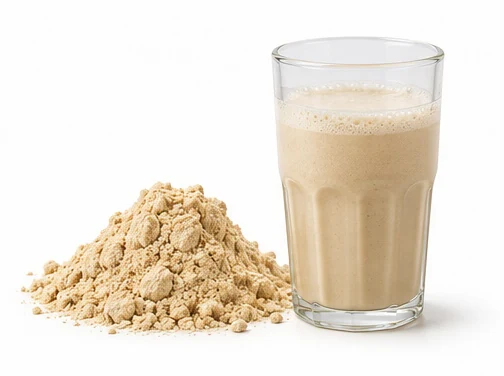
Whey and protein powder pumped with a high pressure piston pump
Whey & protein powder
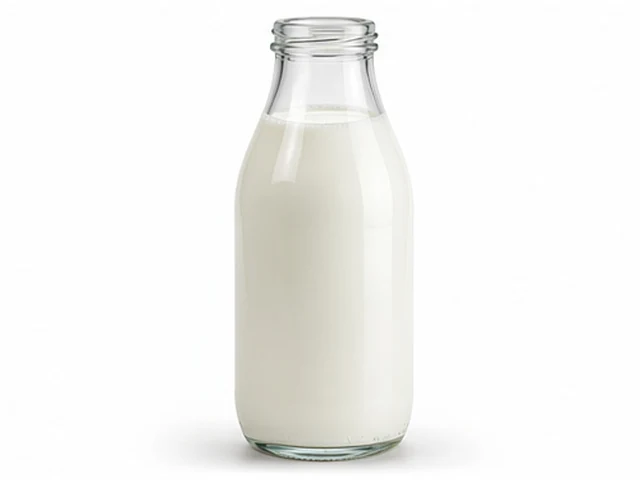
Milk concentrate pumped with a high pressure piston pump
Milk concentrate

Food & beverage

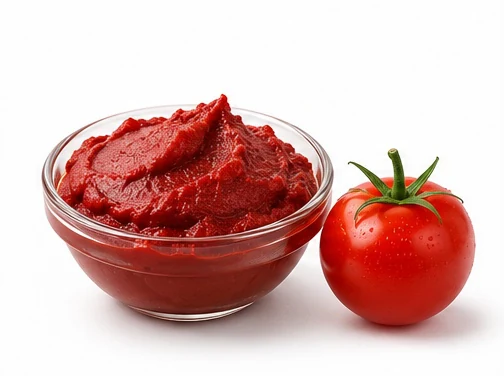
Tomato paste pumped with a high pressure piston pump
Tomato paste
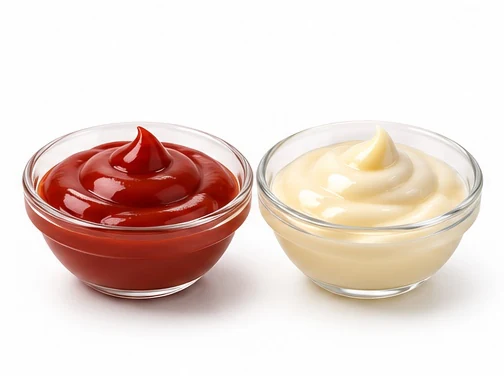
Ketchup and sauces pumped with a high pressure piston pump
Ketchup & sauces
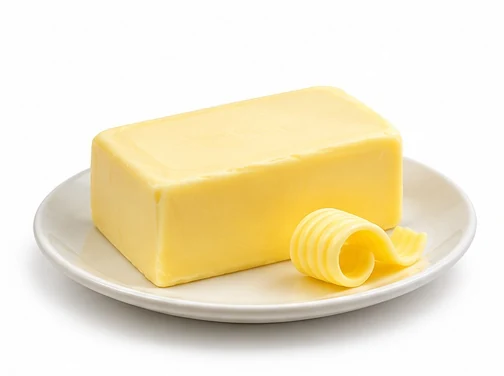
Margarine pumped with a high pressure piston pump
Margarine

Chemical & petrochemical

Chemical powders pumped with a high pressure piston pump
Chemical powders
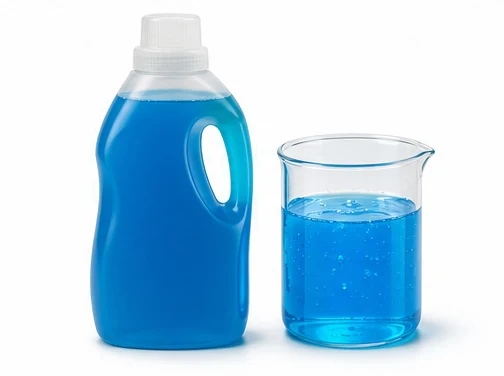
Liquid detergents pumped with a high pressure piston pump
Liquid detergents
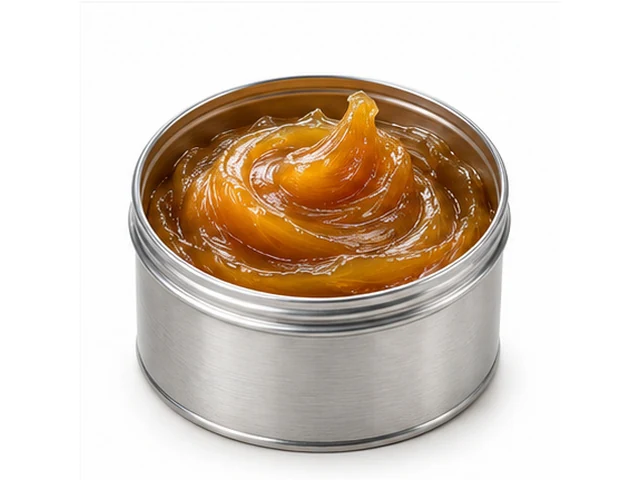
Greases and pastes pumped with a high pressure piston pump
Greases & pastes

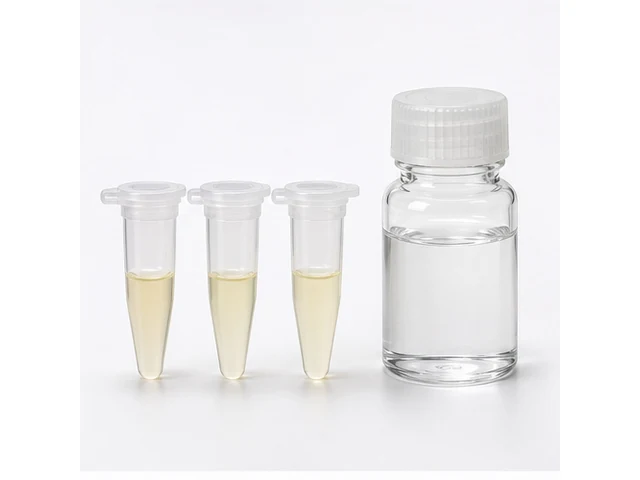
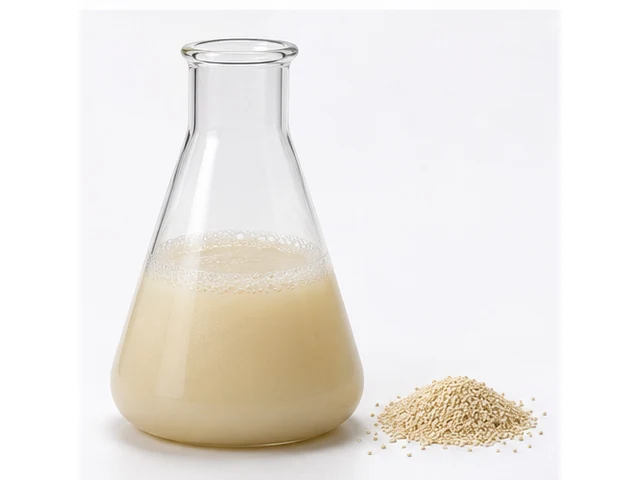
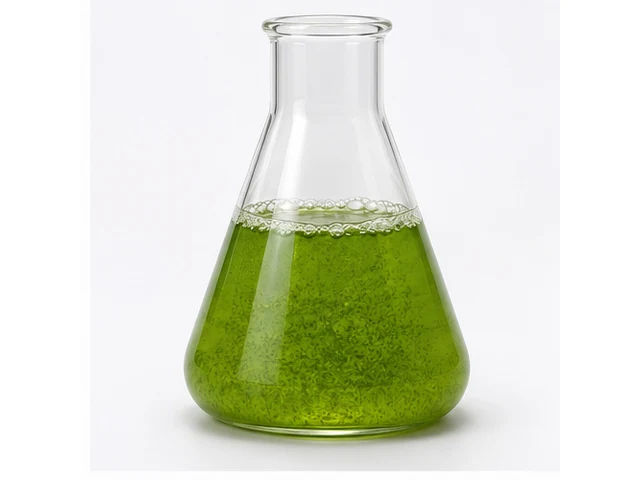
Biotechnology

Enzymes and proteins pumped with a high pressure piston pump
Enzymes & proteins
Yeast slurry pumped with a high pressure piston pump
Yeast slurry
Algae biomass pumped with a high pressure piston pump
Algae biomass

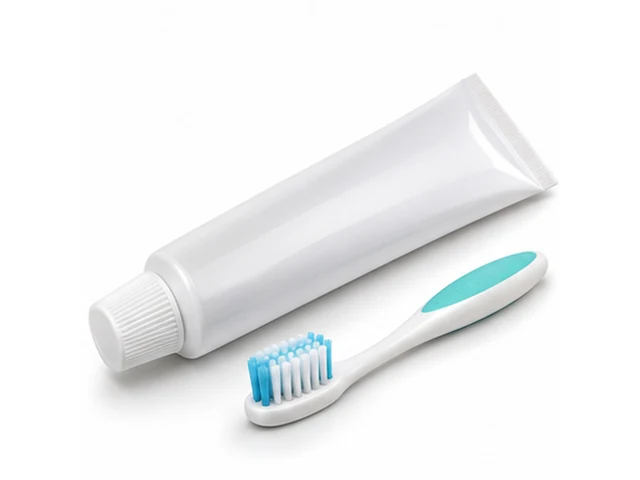
Personal care

Toothpaste pumped with a high pressure piston pump
Toothpaste
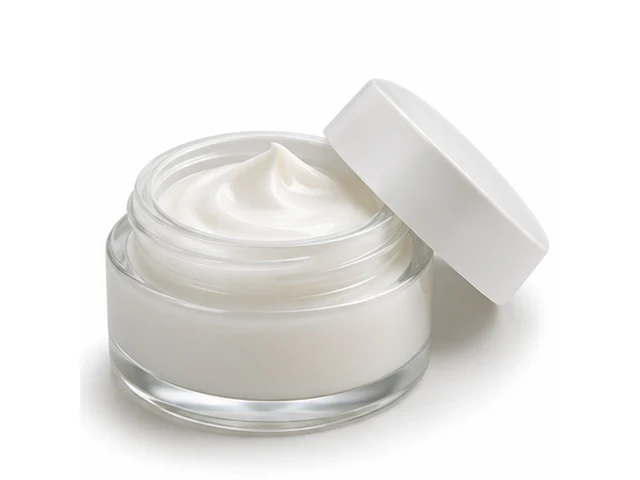
Creams and lotions pumped with a high pressure piston pump
Creams & lotions
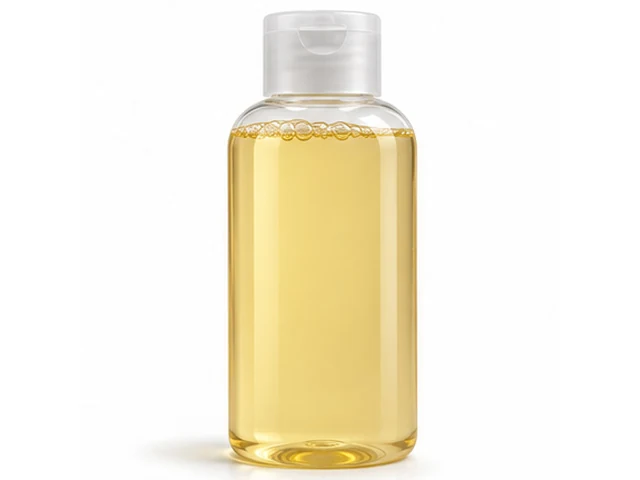
Shampoo and gels pumped with a high pressure piston pump
Shampoo & gels

Pharmaceutical

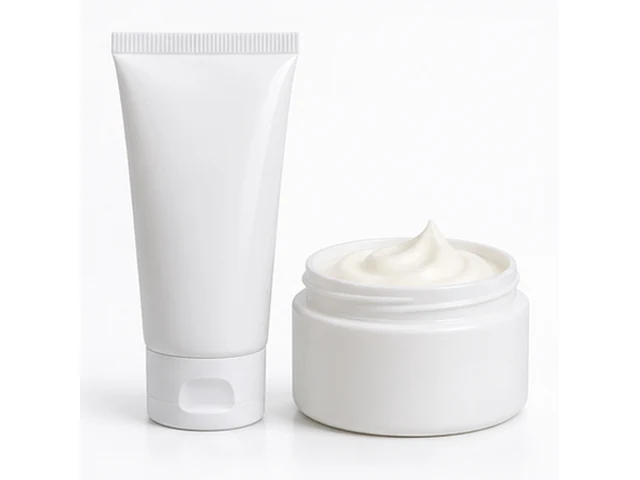
Ointments pumped with a high pressure piston pump
Ointments
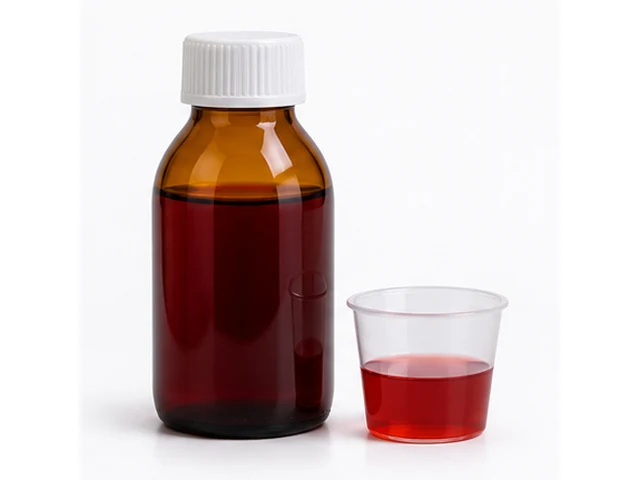
Syrups and suspensions pumped with a high pressure piston pump
Syrups & suspensions
Lipid emulsions pumped with a high pressure piston pump
Lipid emulsions

Frequently Asked Questions About High Pressure Piston Pumps

Have a question about viscosity, particles or pressure? Ask our process engineers.

A high pressure piston pump is a positive displacement pump: on every stroke a piston draws a fixed volume of product into its cylinder and pushes it out against the line pressure, up to 600 bar (about 8,700 psi).

Because the flow is set by the stroke and not by the product, it stays constant as viscosity rises, which is where centrifugal and many rotary pumps lose output. The high-viscosity series handles products above 100,000 cP.

Yes. Particles up to 50 mm can pass the valves, as long as they are smaller than the valve passage. The low pump speed keeps whole particles intact on the way to the next step.

No. Suction is self-priming: product flows into the cylinder from the feed tank under gravity or a small head, so no separate feed pump is needed.

Two, three or five pistons work out of phase to give a smooth, low-pulsation flow. Simplex, triplex and multi-piston versions are available.

Both build high pressure with pistons or plungers. A piston pump transfers and doses thick products to a nozzle, dryer or filler while keeping the product and its particles intact; a homogenizer releases the pressure through a narrow valve gap to break droplets and particles down.

Six frame sizes: Y-HM200, N-HM100, A-HM60, M-HM30, F-HM20 and S-HM5, from pilot unit to large industrial frame. Each is configured for your flow rate, working pressure, valve design and product-contact materials.

Feeding spray dryer nozzles for milk, protein and detergent powders, transferring tomato paste and margarine, and dosing sauces, pastes and creams on filling lines, across dairy, food, chemical, biotech, personal care and pharmaceutical plants.

Product, viscosity at pumping temperature, temperature, particle size, working pressure and flow rate in L/h or m³/h, plus hygiene requirements such as CIP or SIP for food and pharma.

Get a Quote

Find the Right Piston Pump with Protrus

Send us your product, viscosity, temperature, particle size, working pressure and flow rate, and we will recommend the model, piston arrangement, valves and materials for your line.

  • Product and viscosity at pumping temperature
  • Particle size and temperature
  • Working pressure and flow rate
  • Destination: nozzle, dryer or filler

Prefer email? info@protrus.com

Contact Form