

Process Technology · Homogenization
High Pressure Homogenizers for Dairy, Food, Chemical, Cosmetic and Pharma Production
Finer droplets, uniform particles and products that stay stable on the shelf, from a 25 L/h laboratory unit to a 30,000 L/h dairy line.
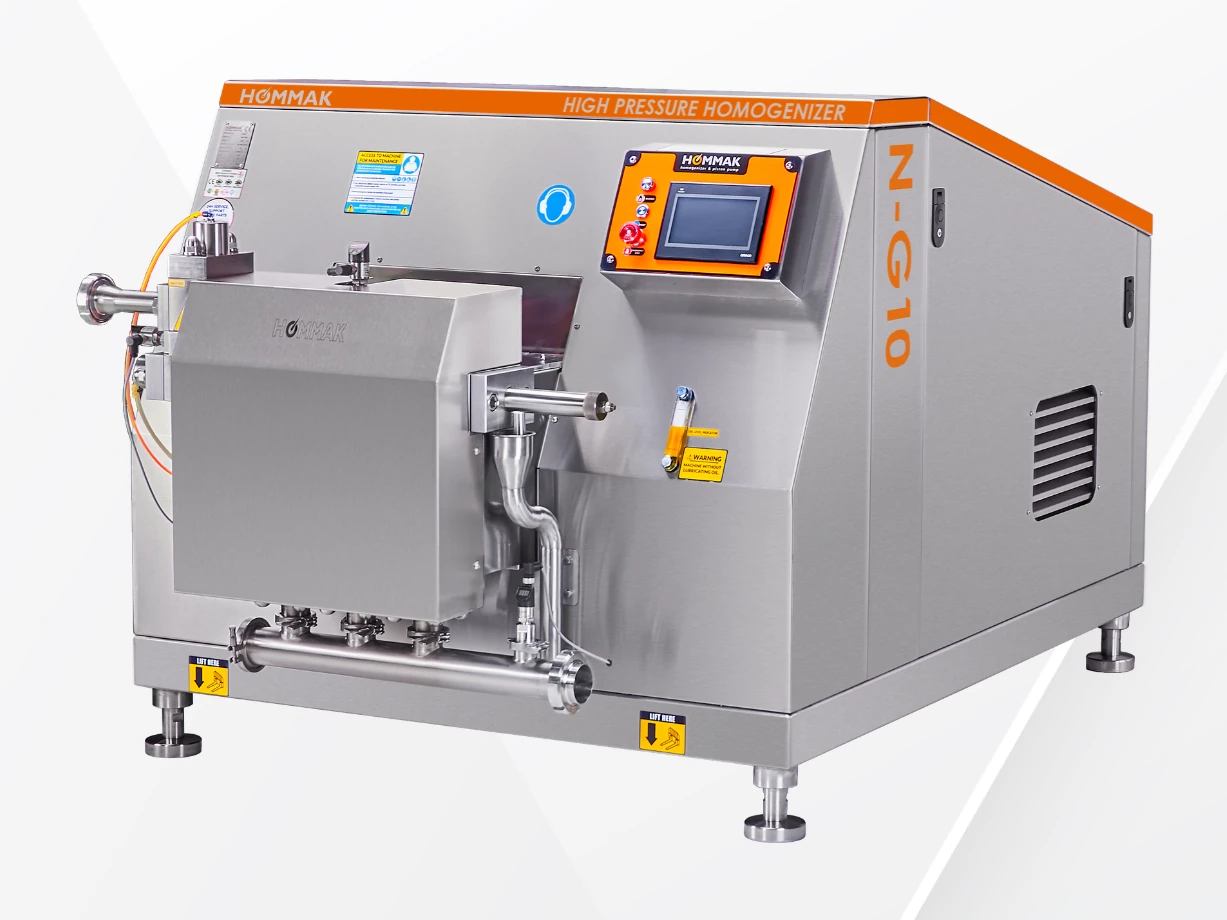
N-G10 high pressure homogenizer: up to 10,000 L/h at 200 bar, two-stage valve, touch-panel control.
200–1,500 bar
Homogenizing pressure range
20–30,000 L/h
Capacity, laboratory to dairy line
2.2–250 kW
Installed main motor power
0.2–1 µm
Typical droplet size after homogenizing
What Is High Pressure Homogenization?
Pressure turned into velocity, and velocity into smaller droplets and particles.
A high pressure homogenizer pumps a liquid to between 200 and 1,500 bar and forces it through a gap a fraction of a millimeter wide. In that gap, fat globules, oil droplets, solid particles and even living cells are broken down to a uniform size, often below one micron.
Many liquids are mixtures of phases that do not want to stay together: fat in milk, oil in mayonnaise or cream, pigment in paint, soap fibers in grease, cells in a fermentation broth. Left alone, they cream, settle, separate or feel grainy.
Homogenization turns pressure into velocity: a plunger pump raises the product to high pressure, and the homogenizing valve releases it through a narrow gap at 100–300 m/s. Turbulence, cavitation and shear break droplets and particles apart, and the much larger surface is covered by proteins or emulsifiers, which keeps the product stable. The result is a uniform product with a longer shelf life, better mouthfeel or texture, brighter color and less need for additives.
Protrus offers twelve homogenizer models in three families: large and mid-size G-series machines for high-volume lines, compact HM-series machines for flexible production, and pilot and laboratory units for R&D, scale-up and high-pressure work in biotech and pharma.
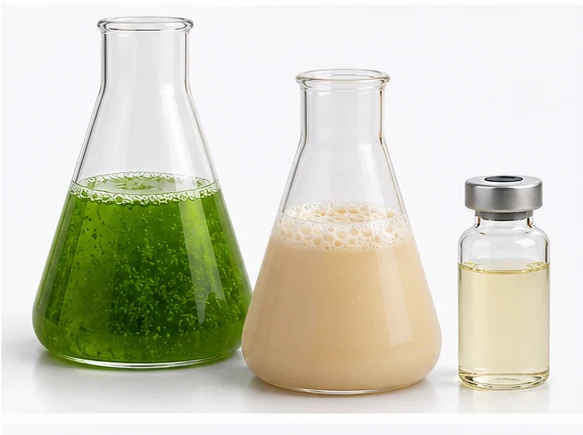
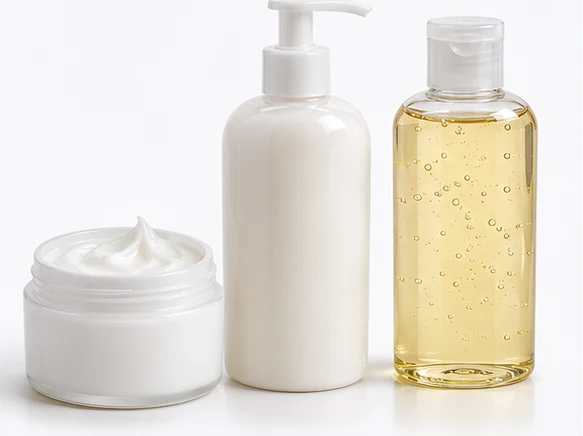
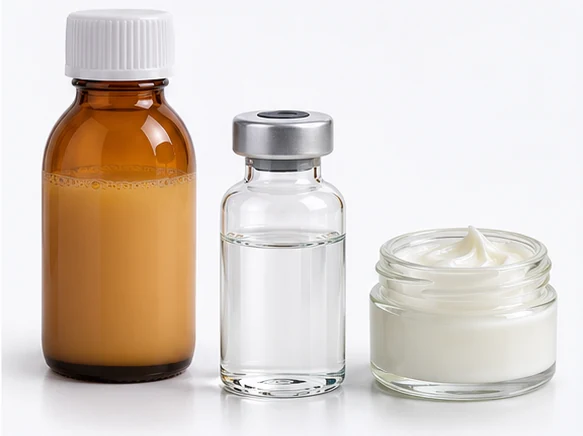
The Protrus Homogenizer Range at a Glance
Four families from laboratory to central dairy. Every model is listed with its three rated pressure points in the model overview.
| Family | Models | Capacity | Max. pressure | Typical use |
|---|---|---|---|---|
| Large industrial (G-series) | T-G30, E-G20, V-G15 | 7,500–30,000 L/h | 400 bar | Central dairies, UHT and ESL lines, juice and beverage plants |
| Mid-size industrial (G-series) | N-G10, N-G5 | 4,000–10,000 L/h | 400 bar | Milk, ice cream mix, cream, sauces, plant-based drinks |
| Compact industrial (HM-series) | N-HM100, A-HM60, M-HM30, F-HM20 | 750–10,000 L/h | 400 bar | Mid-size plants, cosmetics, grease, paints and chemicals |
| Pilot and laboratory | S-HM5, C-HM1 | 25–500 L/h | 1,500 bar | R&D, scale-up, cell disruption, nano-emulsions, liposomes |
Why Homogenize?
No separation
No cream line in milk, no oil ring in sauces, no sediment in juices and drinks.
Longer shelf life
Stable emulsions and suspensions survive storage, transport and temperature changes.
Better texture
Creamier mouthfeel, smoother creams and lotions, glossy and uniform grease.
Fewer additives
Fine droplets need less emulsifier, stabilizer or thickener for the same result.
Higher yield
More viscosity or consistency from the same recipe, for example firmer grease with less soap.
Better uptake
Smaller particles and droplets improve digestibility and bioavailability of actives.
High Pressure Homogenizer Models: From 25 L/h to 30,000 L/h
Twelve models, each rated at three pressure points, so the capacity you need is always matched to the pressure your product needs.
Every homogenizer delivers a fixed volume per stroke, so its capacity depends on the pressure it has to reach: the higher the pressure, the lower the flow for the same motor. The cards below show each model at three typical pressure points.
Industrial models are built for continuous duty up to 400 bar; pilot and laboratory models reach 1,500 bar for cell disruption, nano-emulsions and scale-up trials.
Industrial High Pressure Homogenizers
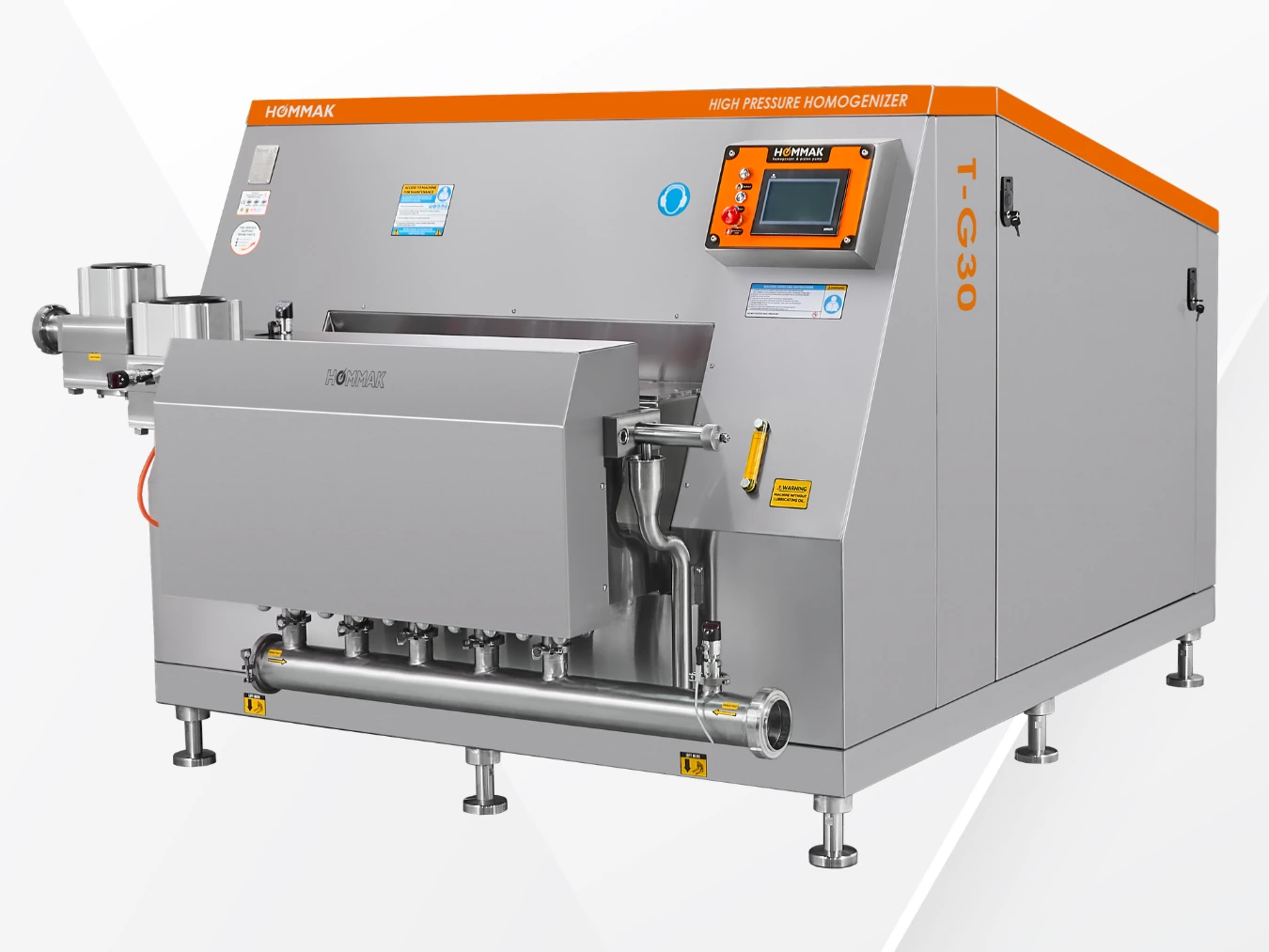
- 30,000 L/h at 200 bar
- 25,000 L/h at 300 bar
- 20,000 L/h at 400 bar
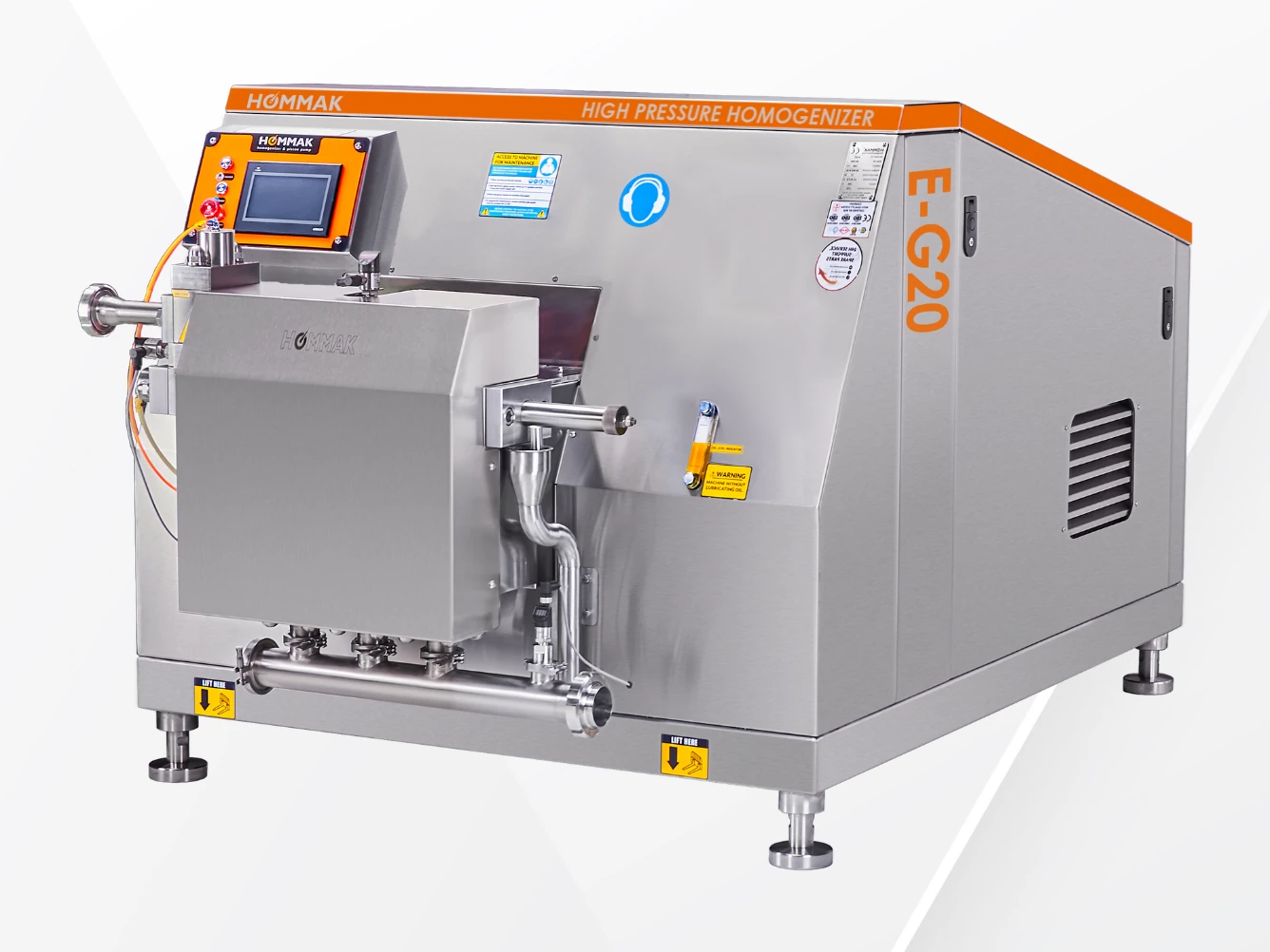
- 20,000 L/h at 200 bar
- 15,000 L/h at 300 bar
- 10,000 L/h at 400 bar
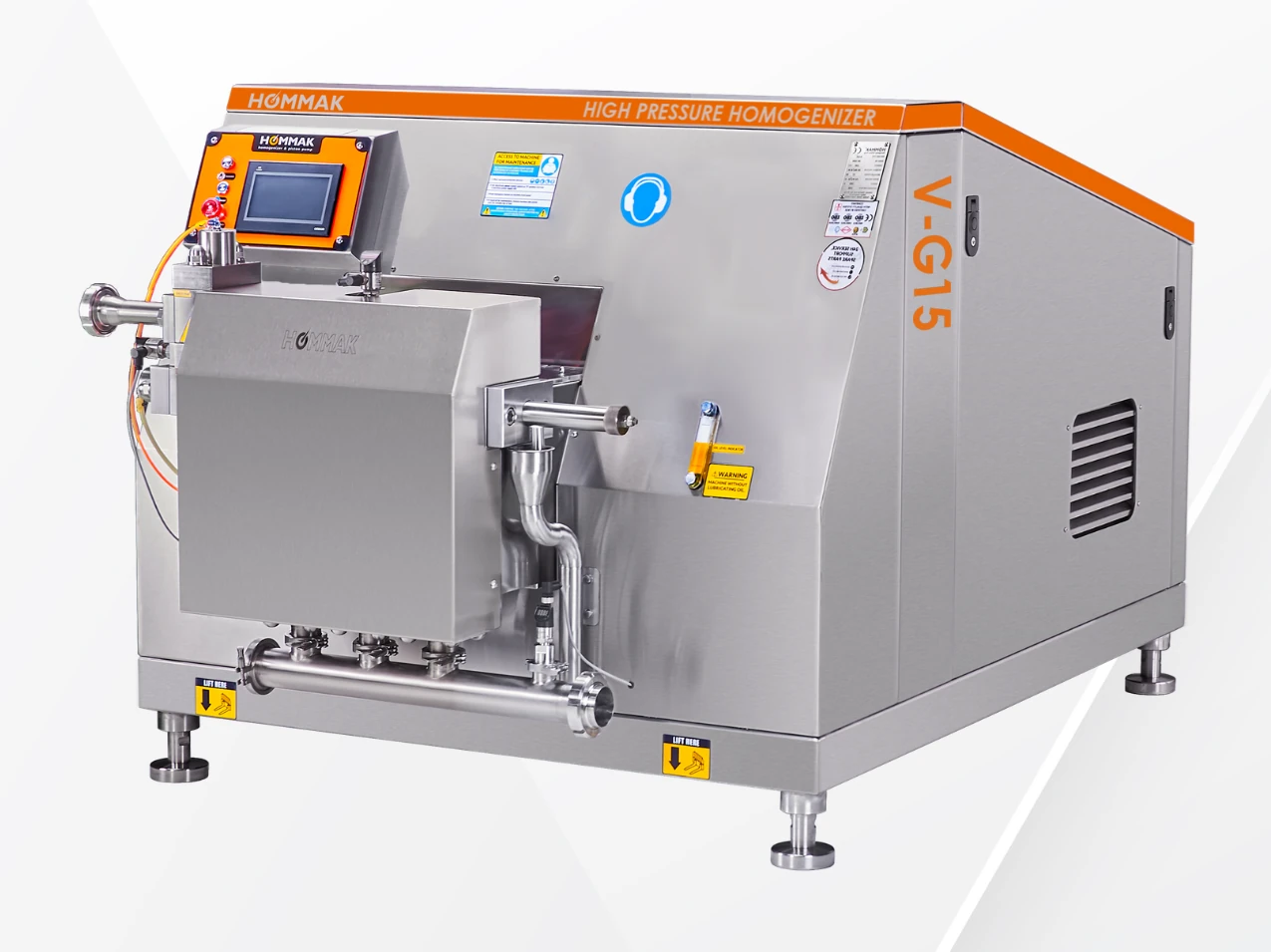
- 15,000 L/h at 200 bar
- 10,000 L/h at 300 bar
- 7,500 L/h at 400 bar
- 10,000 L/h at 200 bar
- 7,500 L/h at 250 bar
- 5,000 L/h at 400 bar
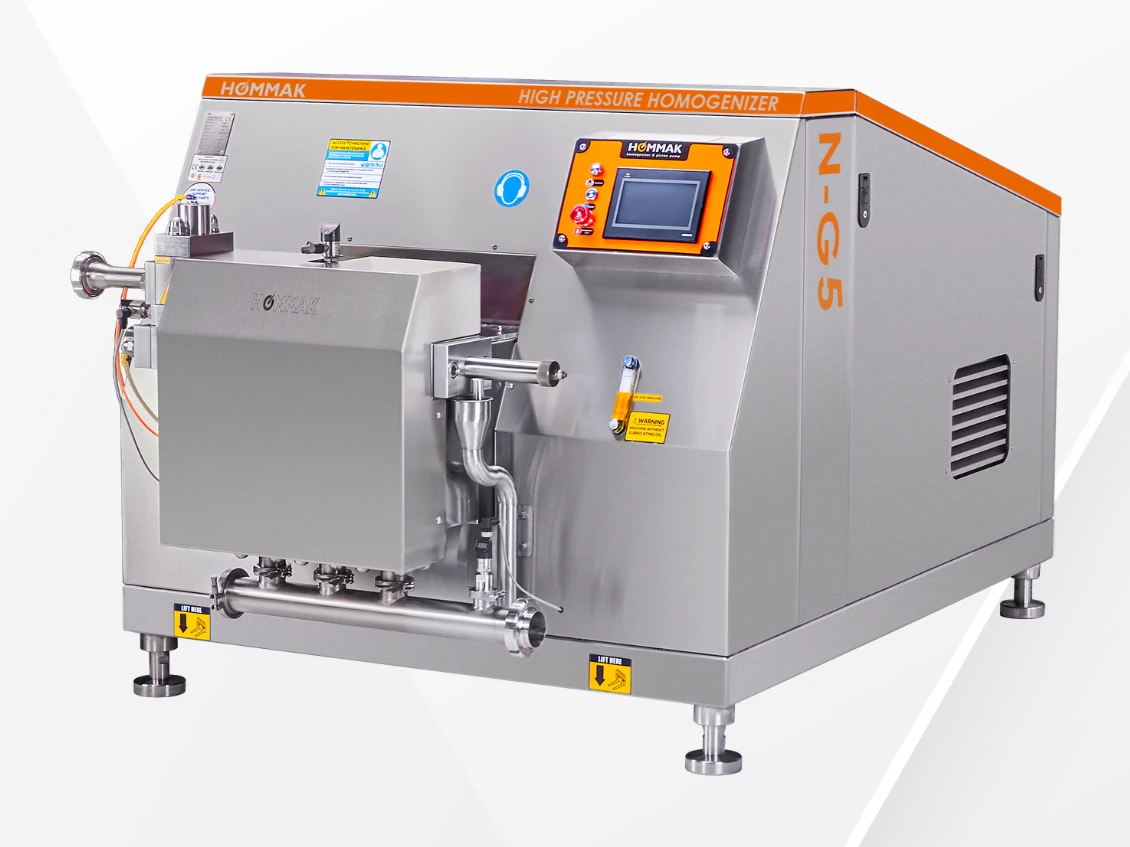
- 7,500 L/h at 200 bar
- 5,000 L/h at 300 bar
- 4,000 L/h at 400 bar
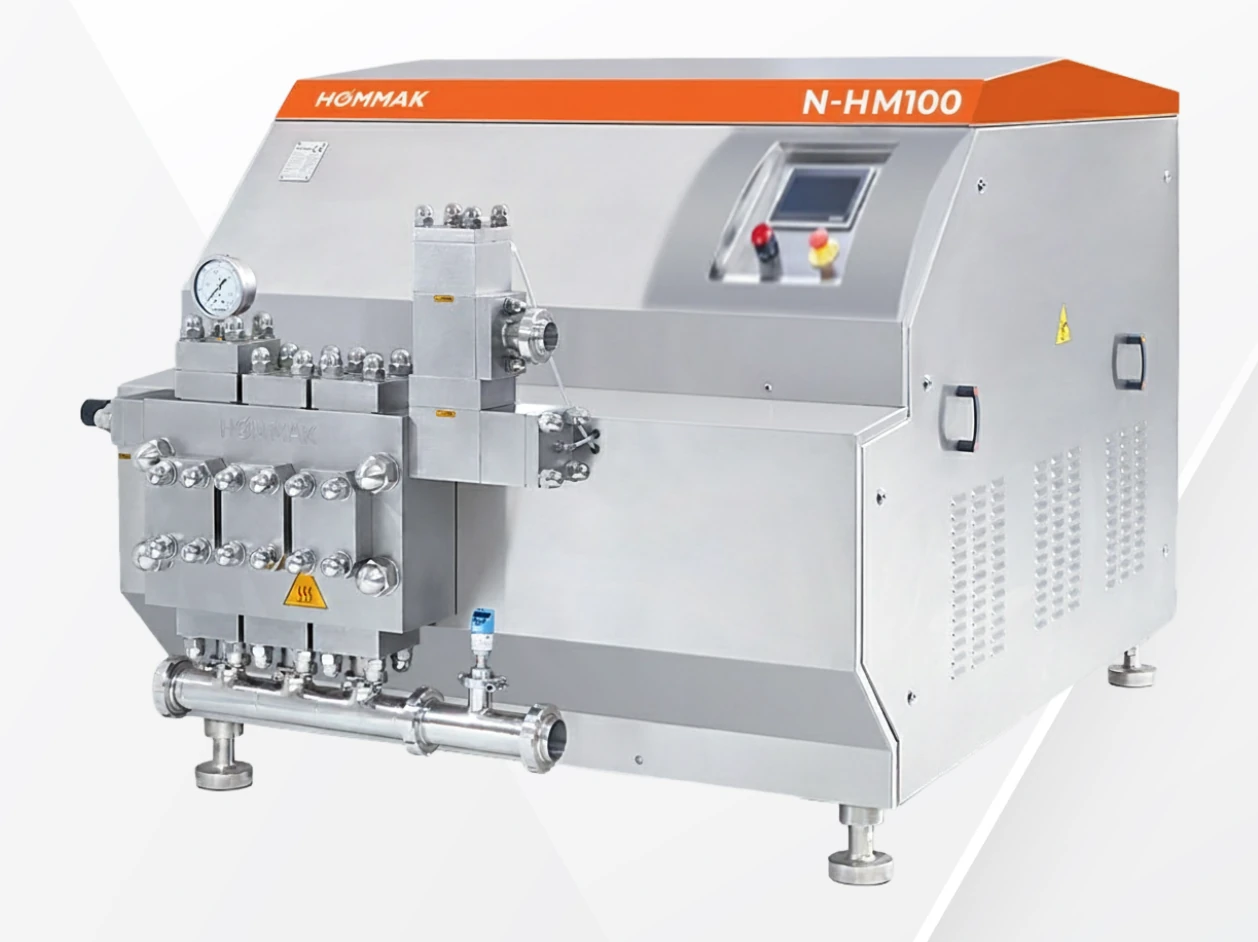
- 10,000 L/h at 200 bar
- 7,500 L/h at 250 bar
- 5,000 L/h at 400 bar
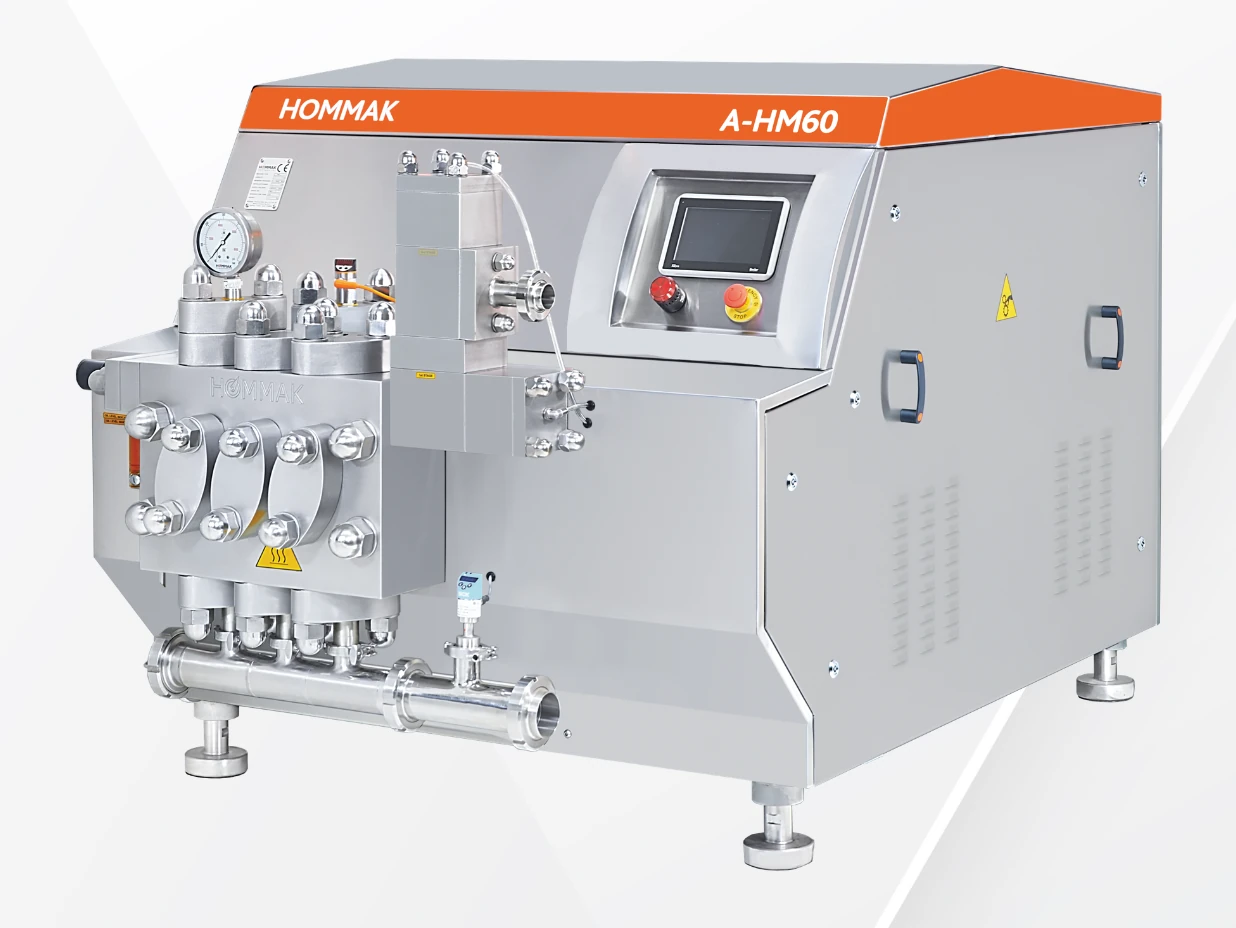
- 5,000 L/h at 200 bar
- 3,000 L/h at 300 bar
- 2,500 L/h at 400 bar
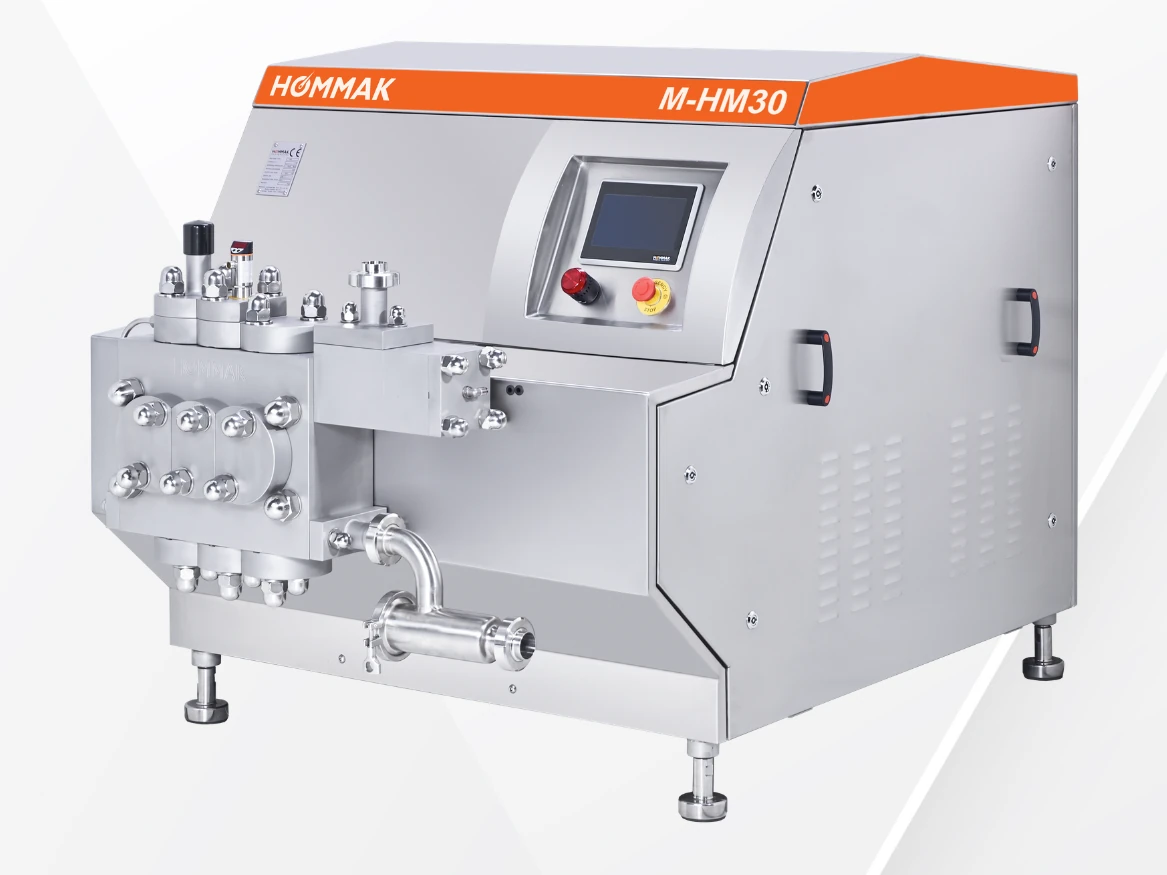
- 3,000 L/h at 200 bar
- 2,000 L/h at 300 bar
- 1,000 L/h at 400 bar
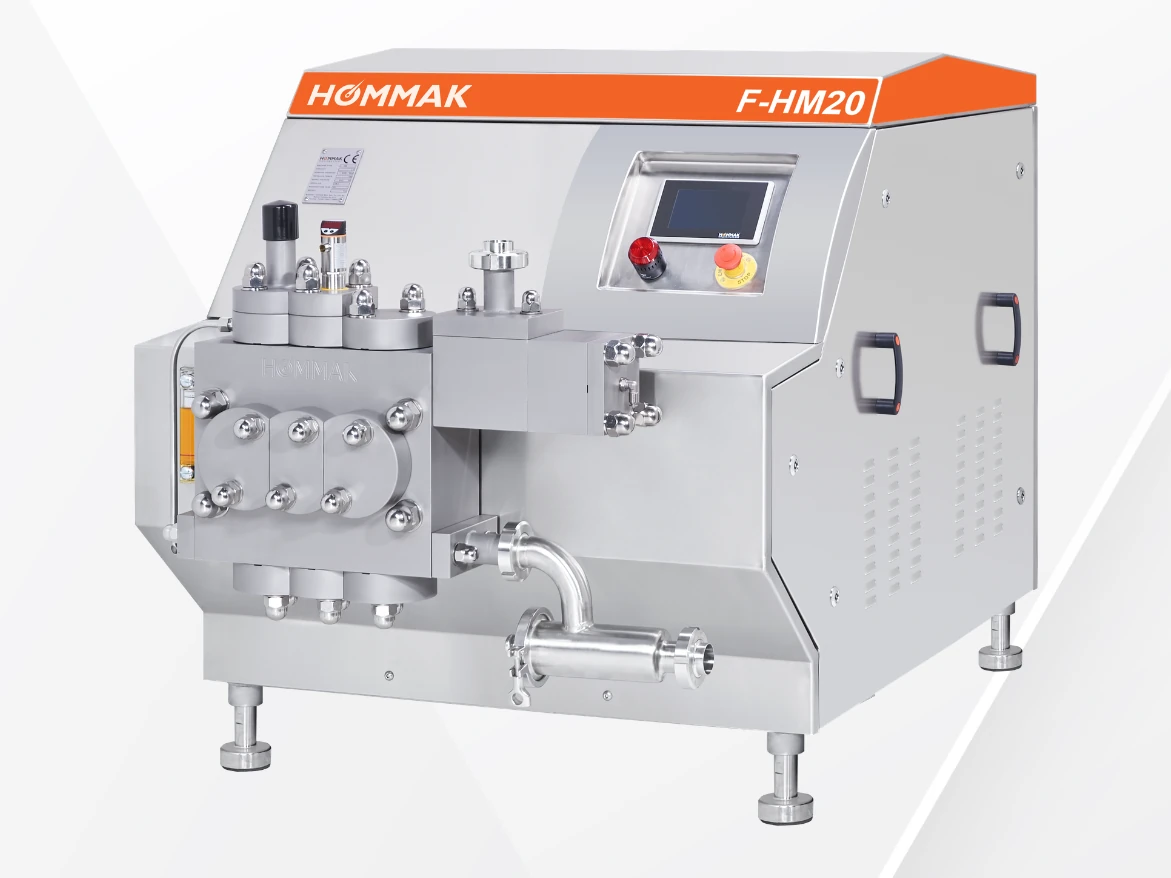
- 2,000 L/h at 200 bar
- 1,500 L/h at 300 bar
- 750 L/h at 400 bar
Pilot Plant and Laboratory Homogenizers
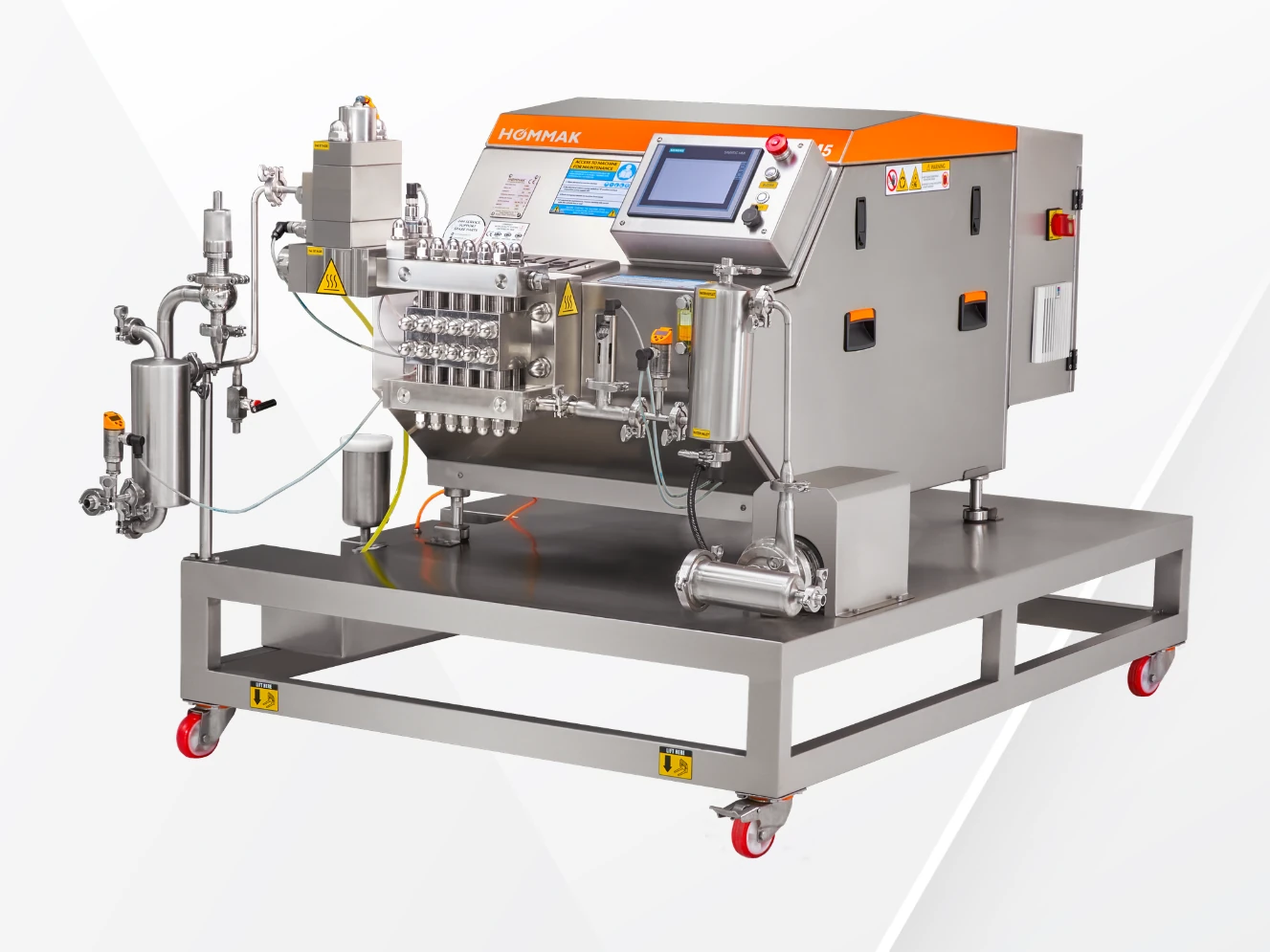
- 250 L/h at 500 bar
- 125 L/h at 1,000 bar
- 50 L/h at 1,500 bar
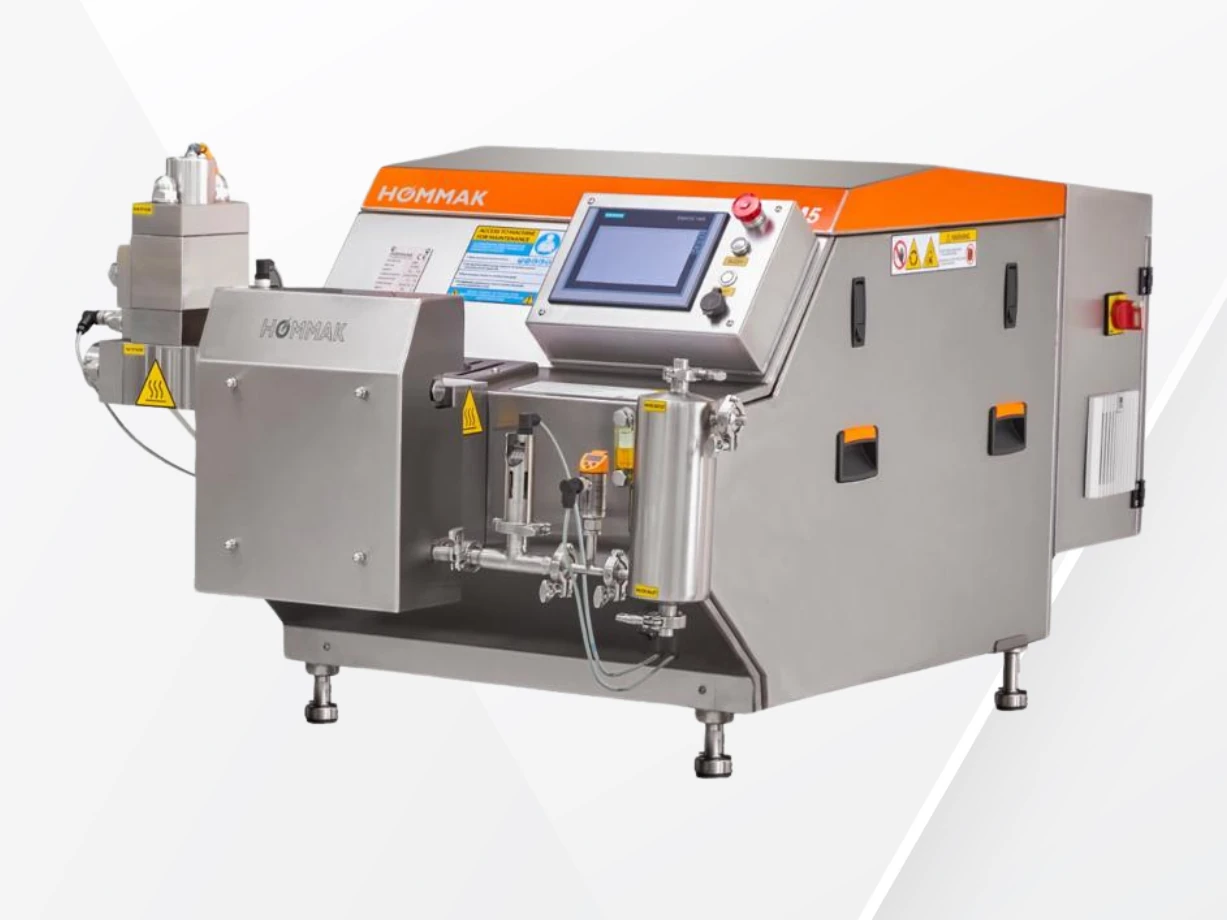
- 500 L/h at 200 bar
- 200 L/h at 500 bar
- 100 L/h at 1,000 bar
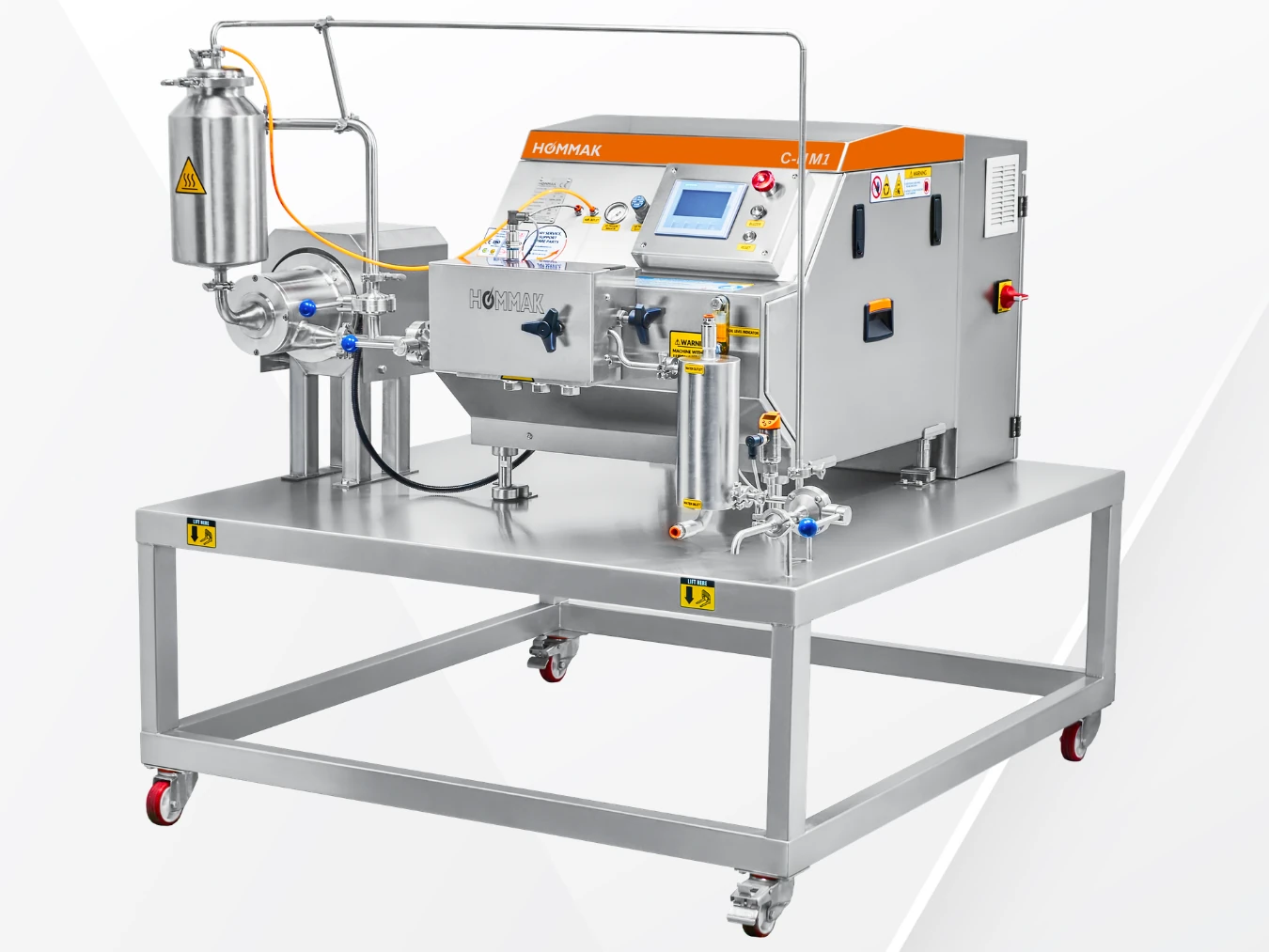
- 60 L/h at 400 bar
- 40 L/h at 600 bar
- 25 L/h at 1,000 bar
How to Choose the Right Model
Six questions decide the model, the valve and the build. Our engineers check them against your product data or a pilot trial.
1. Pressure. Set by the product and the target droplet or particle size (see the pressure guide below).
2. Capacity. The flow your line needs at that pressure; pick the model whose rated point covers it with a margin.
3. Power. Approximate shaft power: kW = flow (m³/h) × pressure (bar) ÷ 36 ÷ 0.85. Example: 10 m³/h at 200 bar needs about 65 kW.
4. Stages. Two-stage valves for dairy, creams and most emulsions; single stage for some suspensions and cell disruption.
5. Materials. Stainless steel for food; hardened, ceramic or tungsten carbide valves for abrasive and high-solids products.
6. Hygiene. CIP and SIP ready product path, aseptic design with sterile plunger flushing when the homogenizer runs after UHT.
Standard Equipment and Options
| Area | Standard | Options |
|---|---|---|
| Pump | Three plungers, monoblock pump head, sanitary suction and discharge valves | Five plungers for very large flows, duplex or super duplex blocks |
| Homogenizing valve | Two-stage valve with hydraulic or pneumatic pressure setting | Ceramic or tungsten carbide seats and forcers, special valve geometries |
| Drive | Main motor with V-belt or gearbox, oil-bath crankcase with cooling | Frequency converter for variable flow, low-noise enclosure |
| Control | Touch panel, pressure transmitters, safety valve, low-oil and overpressure alarms | PLC integration with the line, remote access, batch records |
| Hygiene | CIP-ready product path, polished product-contact surfaces | Aseptic execution with sterile barrier, SIP, 3-A or EHEDG-oriented design |
How it works
Homogenization Process: How a High Pressure Homogenizer Works
A plunger pump builds the pressure, a precision valve turns it into energy where it is needed: in a gap thinner than a hair.
Every high pressure homogenizer has two working parts. The plunger pump draws in product from a feed pump and pushes it, stroke by stroke, to the set pressure; its capacity is fixed by plunger diameter, stroke and speed.
The homogenizing valve then creates the resistance that holds that pressure and releases the product through a gap of 15–300 µm. Almost all the pressure energy is converted into turbulence, cavitation and shear in that gap, and a small part into heat: roughly 2–2.5 °C per 100 bar.
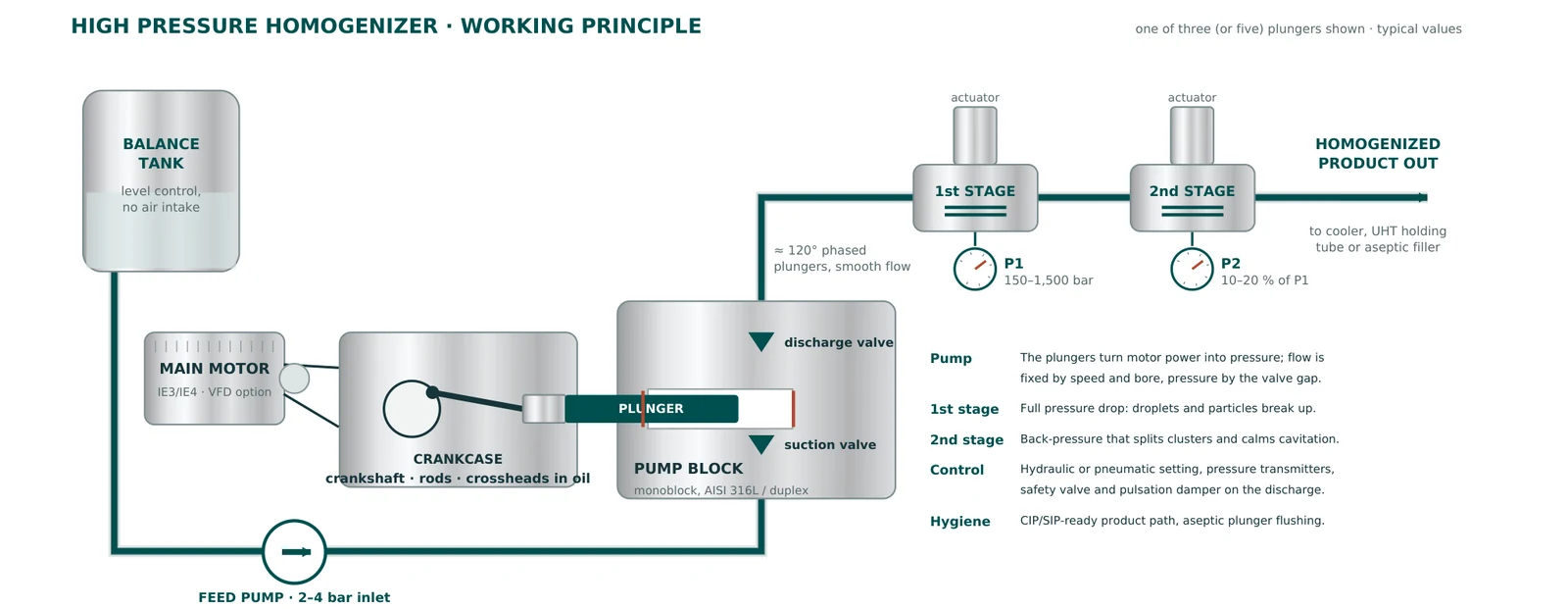
Working principle: balance tank, feed pump, main motor and crankcase, plunger pump block and two-stage homogenizing valve. One of three (or five) plungers shown; typical values.
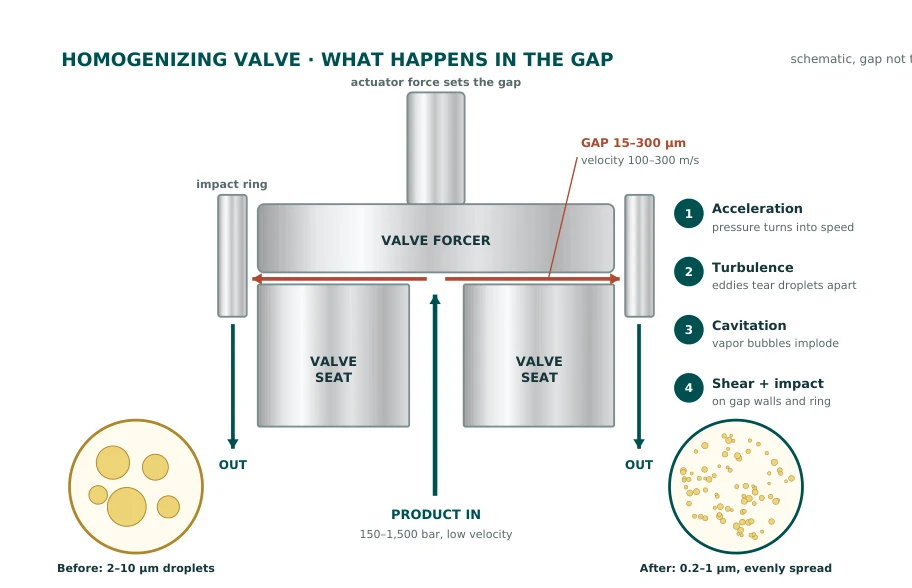
Homogenizing valve: the gap, the impact ring and droplet size before and after.
Single-Stage and Two-Stage Homogenization
First stage. Takes the full pressure drop and does the actual size reduction. Pressure is chosen by the product: 150–250 bar for milk, up to 1,500 bar for nano-emulsions.
Second stage. Adds a back-pressure of 10–20 % of the first stage. It breaks up clusters of freshly covered fat globules, keeps viscosity under control and makes cavitation in the first stage more stable.
Temperature. Fat must be liquid: dairy is homogenized at 55–80 °C, grease at 80–120 °C. Cold product means coarse droplets and more wear.
Passes. Cell disruption and nano-emulsions often need two to five passes at high pressure to reach full yield or a narrow size range.
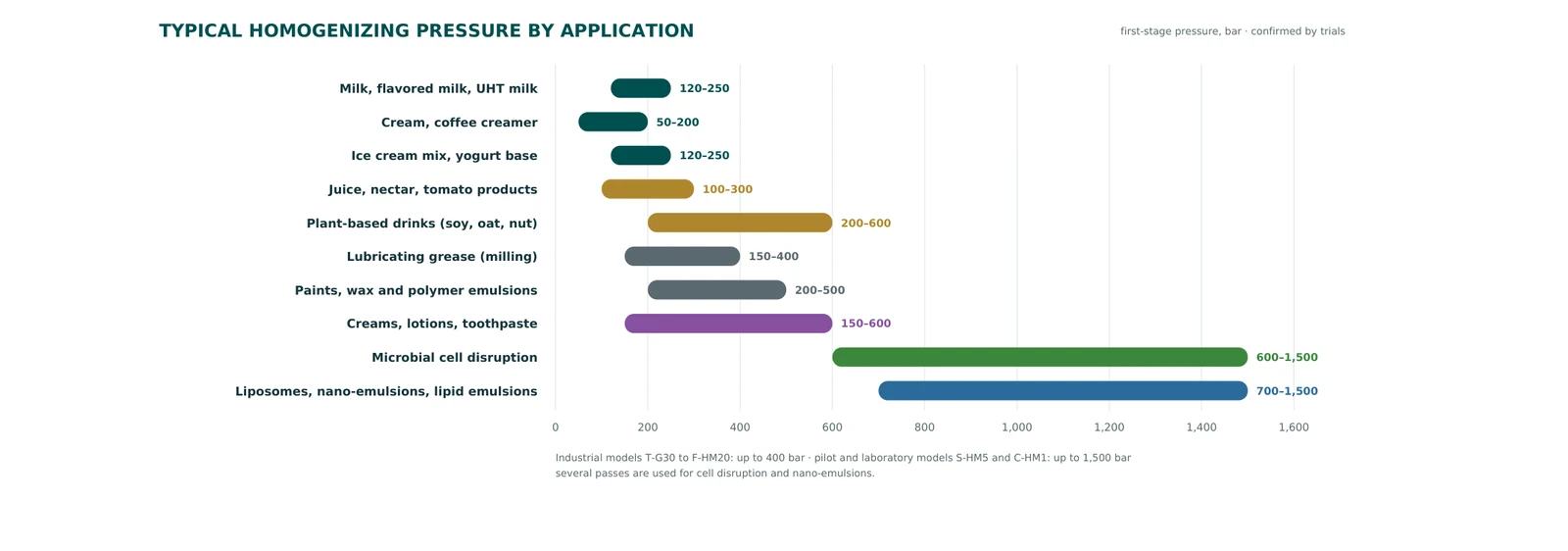
Typical Homogenizing Pressure by Application
First-stage pressure in bar, confirmed by trials. Industrial models T-G30 to F-HM20 reach up to 400 bar; pilot and laboratory models S-HM5 and C-HM1 up to 1,500 bar.
Where the Homogenizer Sits in the Line
Pasteurization lines. After the regenerative section at 55–70 °C, before final heating, so the product is homogenized warm and then pasteurized.
UHT, upstream. Before the UHT heater: simple, non-aseptic design, the standard choice for most milk drinks.
UHT, downstream. After UHT heating, as an aseptic homogenizer: best texture and stability for cream, coffee creamers and high-protein drinks.
Partial homogenization. Only the cream stream is homogenized and remixed with skim milk: a smaller machine and much lower energy use.
See how the homogenizer fits a complete line in our UHT plants and process technology for dairy.
Applications
Homogenizer Applications: Dairy, Food & Beverage, Chemical and Petrochemical
One principle, many products: pressure, valve, materials and hygiene level change with what you make.
The homogenizer is the step that decides whether a product stays uniform. In food and dairy it prevents creaming, settling and grainy texture; in chemical plants it turns pastes and emulsions into smooth, stable products. These are the products our customers homogenize most often.
Dairy
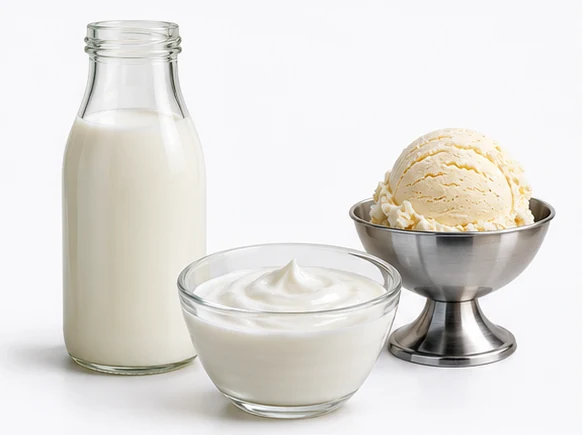
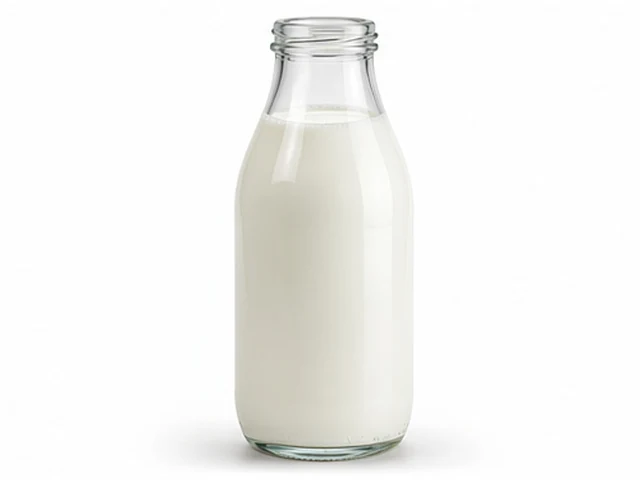
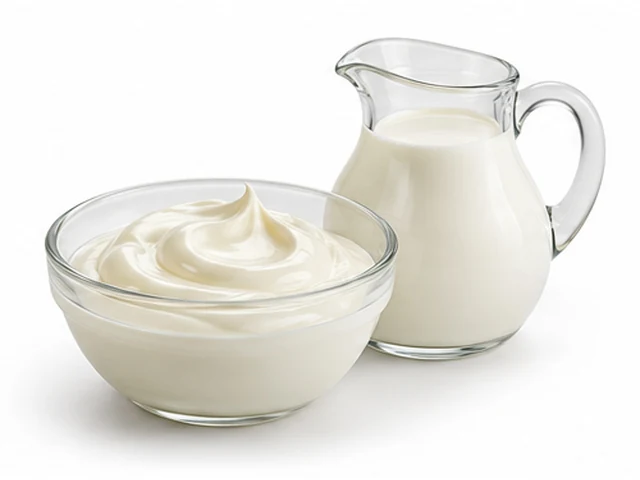
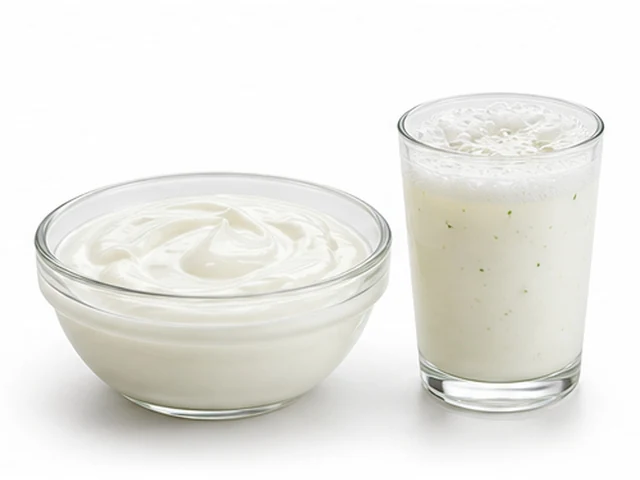
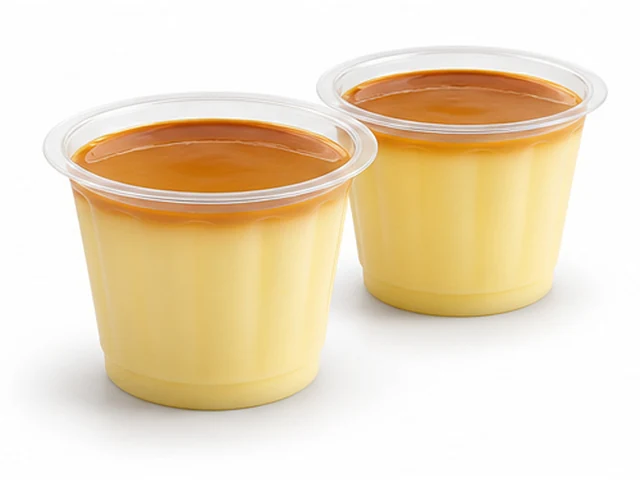
Milk, UHT and ESL milk, cream and coffee creamers, yogurt and ayran, butter and buttermilk, ice cream mix, cream cheese, infant formula and baby food, puddings and desserts. 150–250 bar at 55–80 °C with a two-stage valve stops creaming, gives yogurt a firmer body, ice cream a smoother and drier texture and infant formula a stable emulsion.
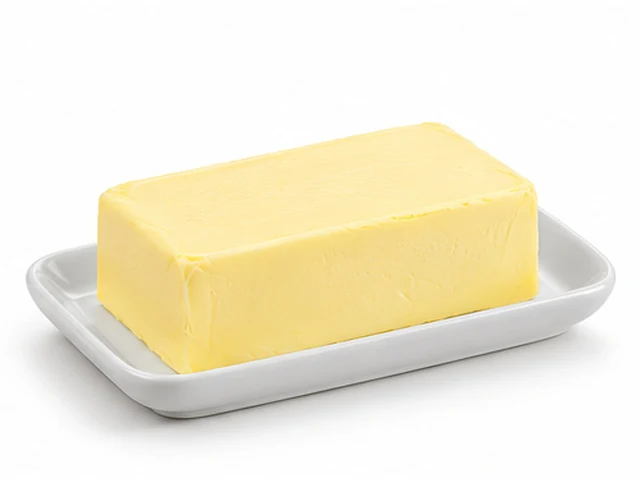
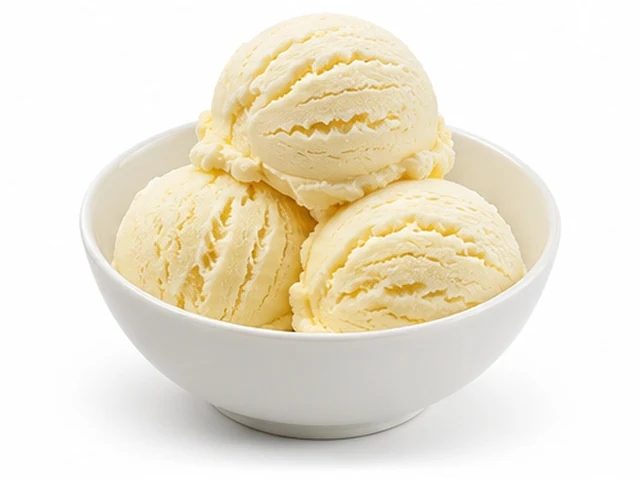
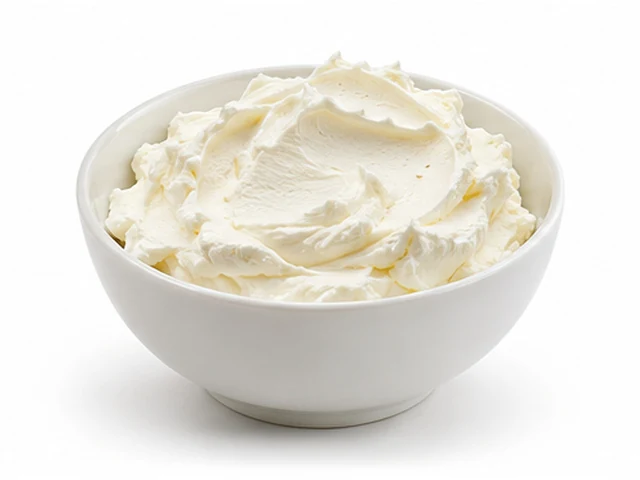
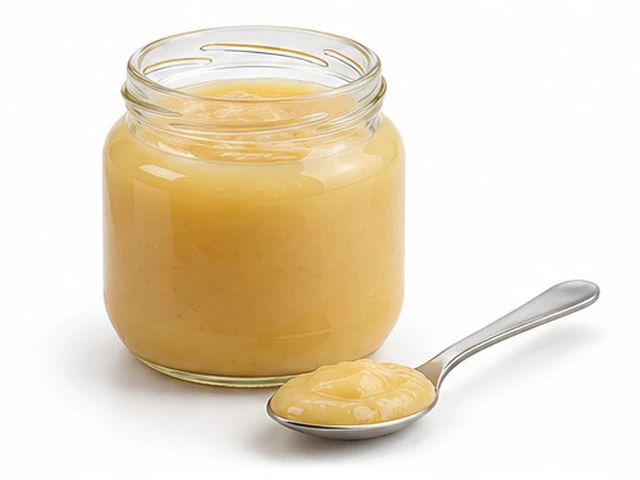
Food & Beverage
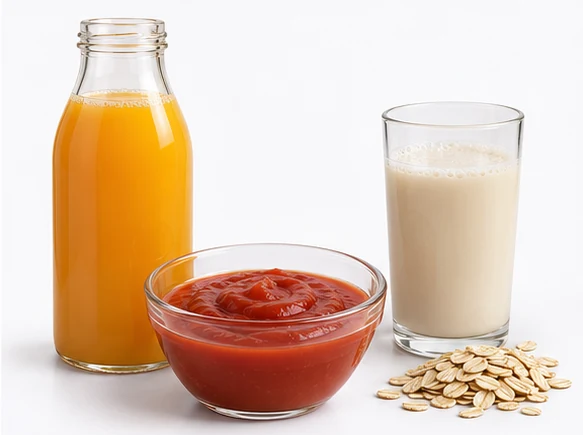
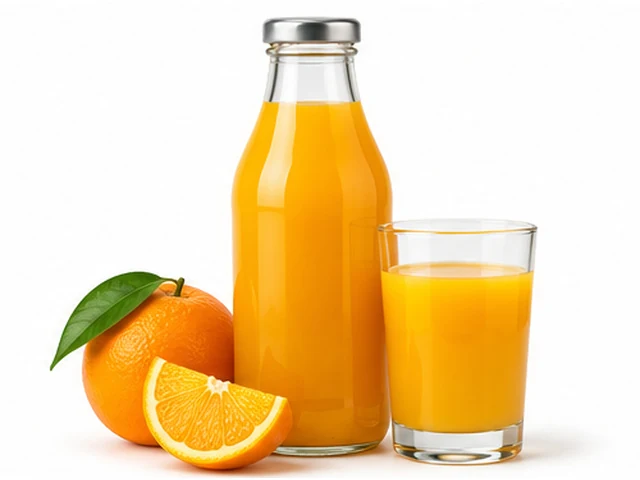
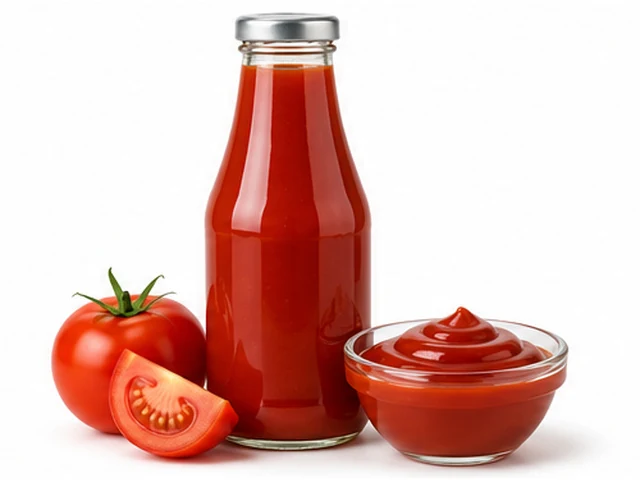
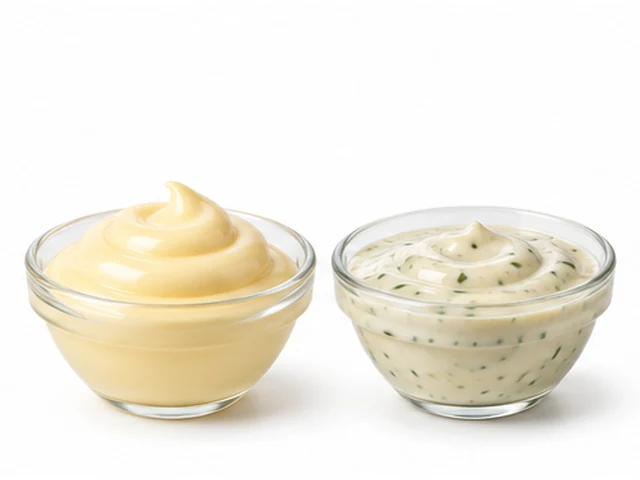
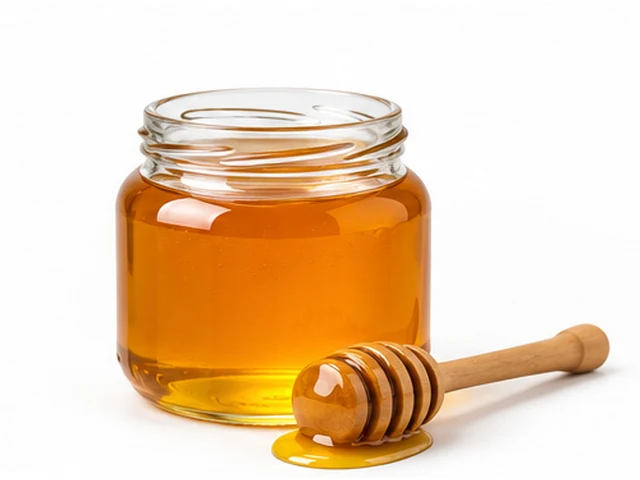
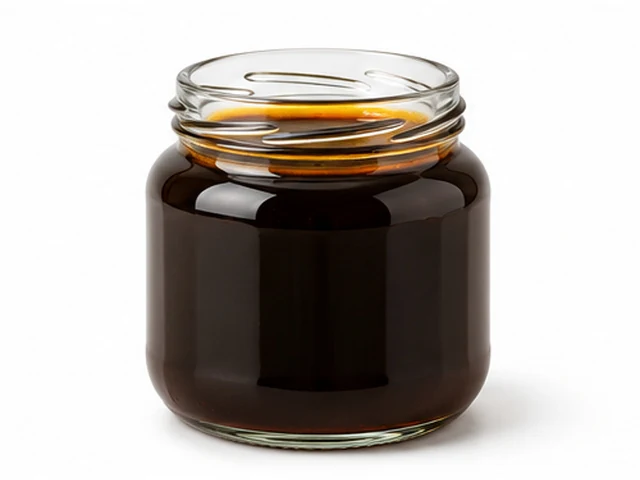
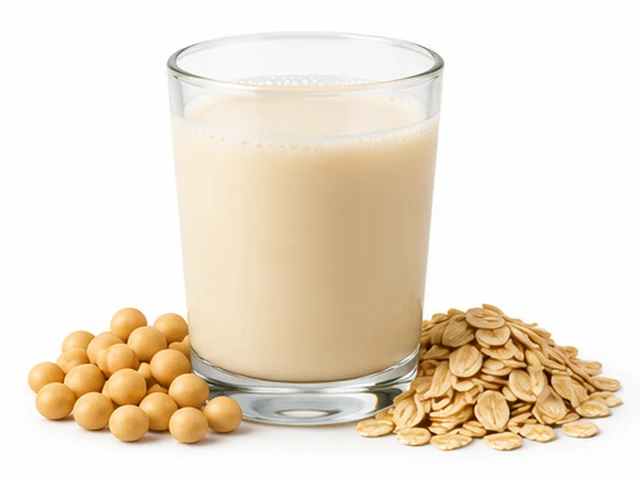
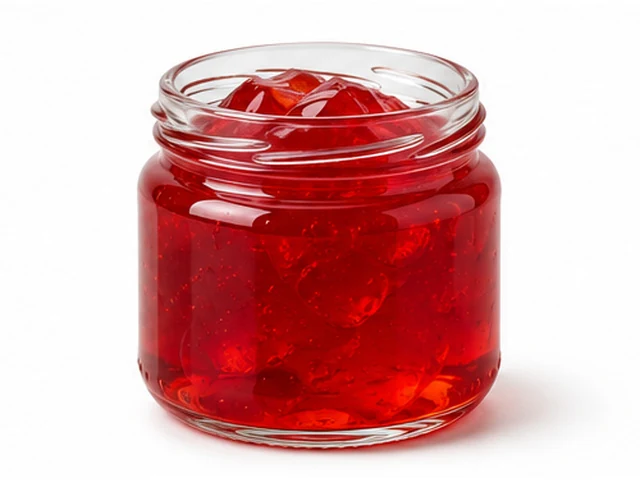
Fruit juices and nectars keep their cloud; ketchup and tomato products gain viscosity from the same solids; mayonnaise and dressings stay stable with less egg yolk; honey and molasses become smooth and pourable without crystal lumps; soy, oat and nut drinks lose their chalky feel at 200–600 bar; jellies and fruit preparations get an even texture.
Chemical & Petrochemical
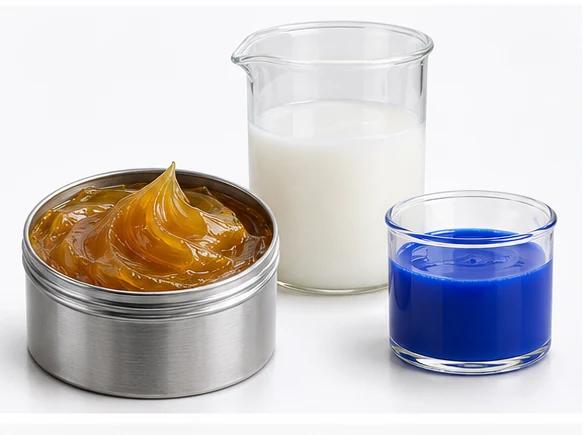
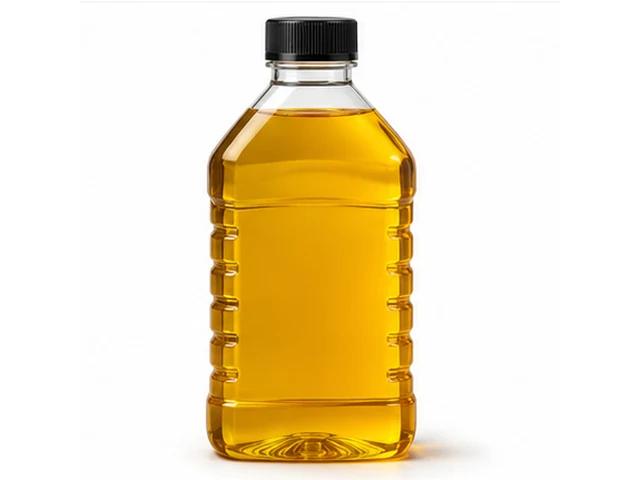
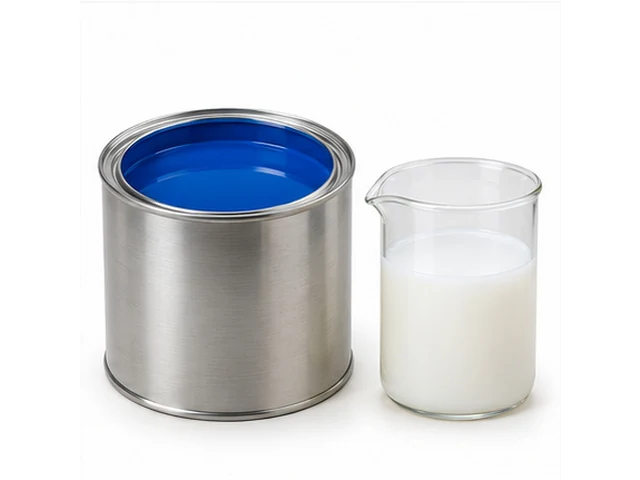
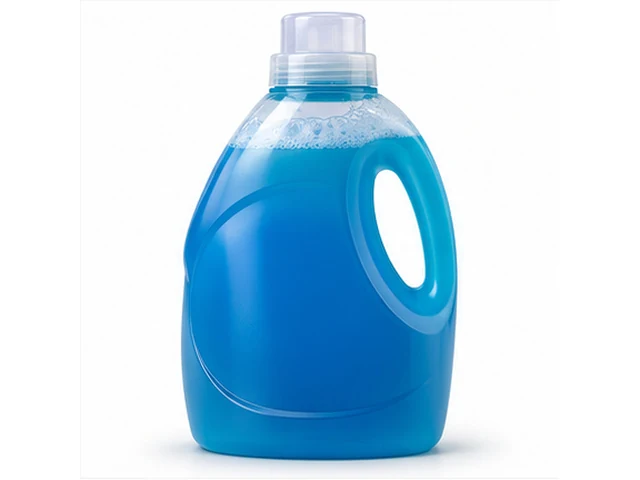
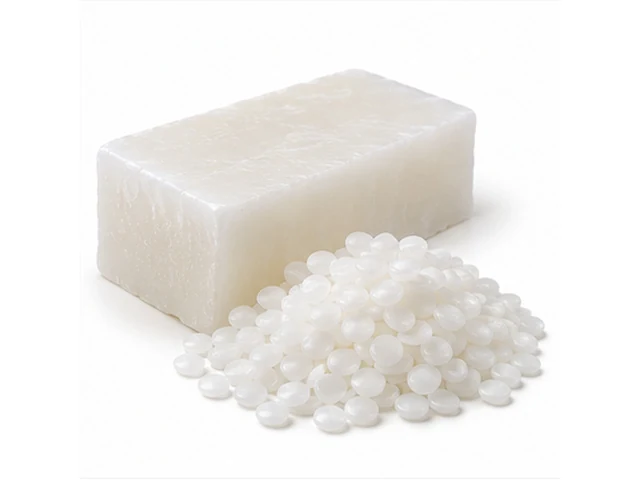
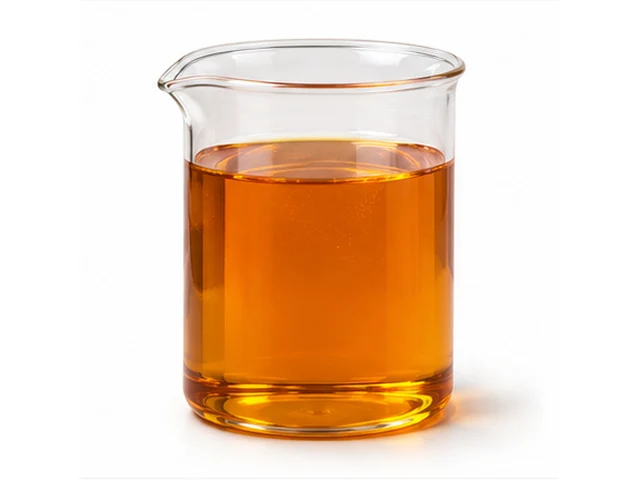
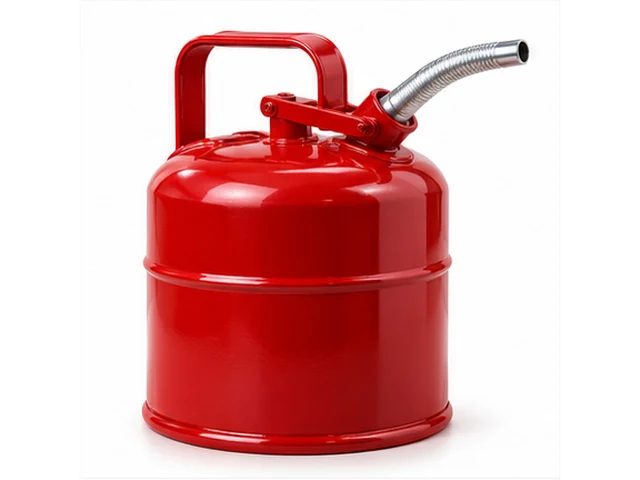
Lubricating grease, lubricating oils and additive packages, paints and coatings, detergents, wax emulsions, resins and polymer dispersions, and water-in-fuel emulsions. Here the homogenizer works with viscous, sometimes abrasive products, so the design adds a positive feed pump, hardened or tungsten carbide valve parts and heated or insulated product paths.
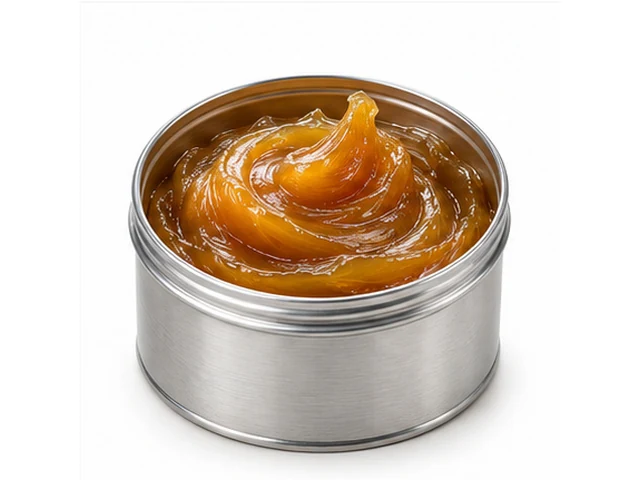
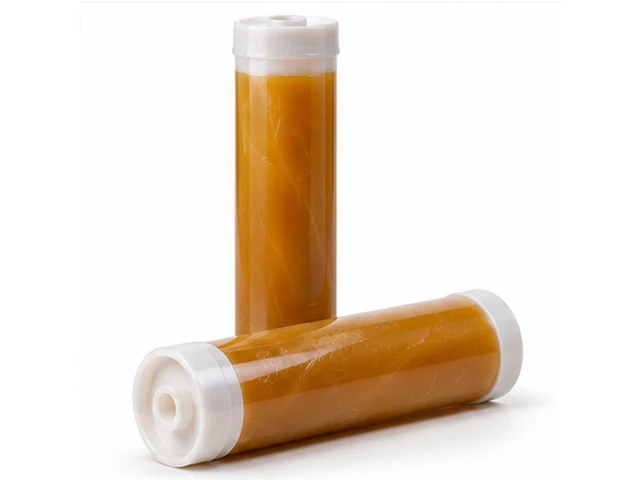
Homogenizers in Grease Production
Typical lithium / lithium-complex soap grease: where the homogenizer works in the line.
Lubricating grease · where the homogenizer works typical lithium / lithium-complex soap grease
- 1Raw materialsBase oil, fatty acid, LiOHWeighed batch
- 2ReactorSaponification180–210 °C
- 3Finishing kettleCooling, cut-back oil, additives80–120 °C
- 4Feed pumpGear or lobe pump3–6 bar inlet
- 5HomogenizerMilling of soap fibers150–400 bar
- 6DeaeratorRemoves entrained airVacuum
- 7Filter + fillCartridges, tubs, drumsNLGI checked
Result
Smooth, glossy grease · higher yield (firmer NLGI grade with less soap) · less oil bleed · stable consistency batch after batch
Why. After saponification and cooling, soap fibers form bundles and lumps. Milling them through a homogenizing valve gives smooth, glossy grease with a uniform structure.
Yield. Finer, better dispersed fibers build more consistency: the target NLGI grade is reached with less thickener, which lowers raw material cost.
Quality. Less oil bleed, better mechanical and shear stability and the same penetration value batch after batch.
Settings. Typically 150–400 bar at 80–120 °C, one or two passes; a gear or lobe pump feeds the homogenizer and a deaerator removes the air before filling.
Typical Settings by Application: Dairy, Food and Chemicals
| Application | Pressure | Stages and temperature | Design notes |
|---|---|---|---|
| Milk, cream, ice cream mix, yogurt | 100–250 bar | Two stage, 55–80 °C | Sanitary design, CIP; aseptic after UHT |
| Juices, ketchup, tomato products | 100–300 bar | One or two stage, 60–75 °C | Pulp and fiber tolerant valves |
| Soy, oat and nut drinks | 200–600 bar | Two stage, 70–85 °C, 1–2 passes | Often combined with UHT |
| Lubricating grease | 150–400 bar | Single stage, 80–120 °C | Positive feed pump, hardened valve, heated lines |
| Paints, wax and resin emulsions | 200–500 bar | One or two stage | Wear-resistant valve parts, solvent-proof seals |
Homogenizer Applications: Biotechnology, Personal Care and Pharmaceutical
Higher pressures, smaller batches and stricter hygiene: where pilot and laboratory homogenizers do their best work.
In life science and cosmetics the homogenizer often works at 600–1,500 bar, in several passes and with sterile or aseptic design. The pilot and laboratory models S-HM5 and C-HM1 cover this range and give results that scale up directly to the industrial models.
Biotechnology
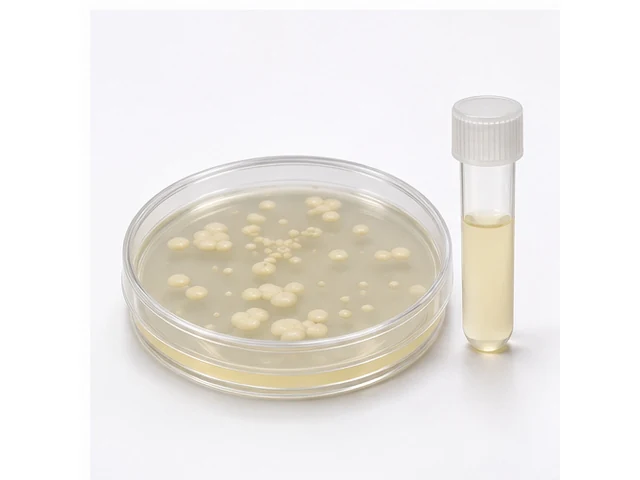
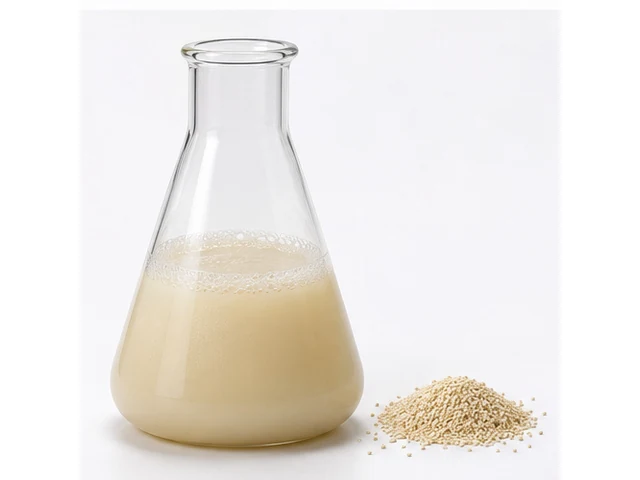
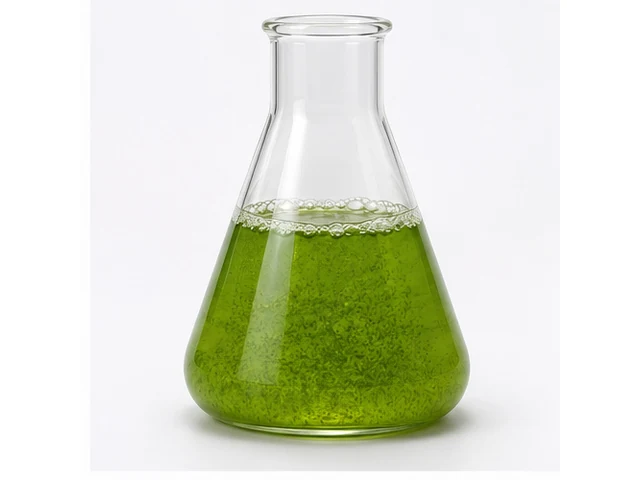
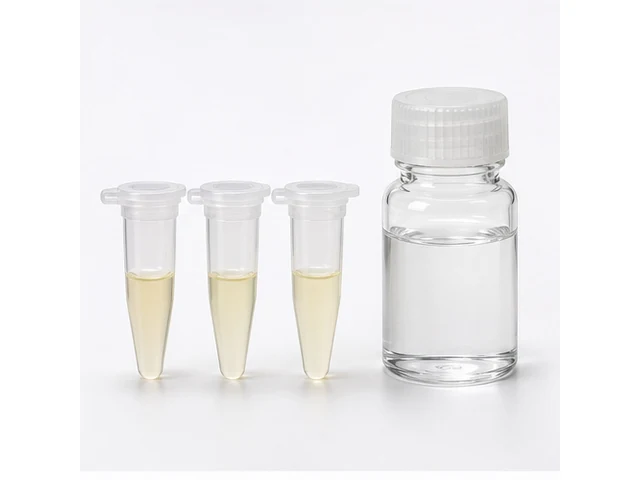
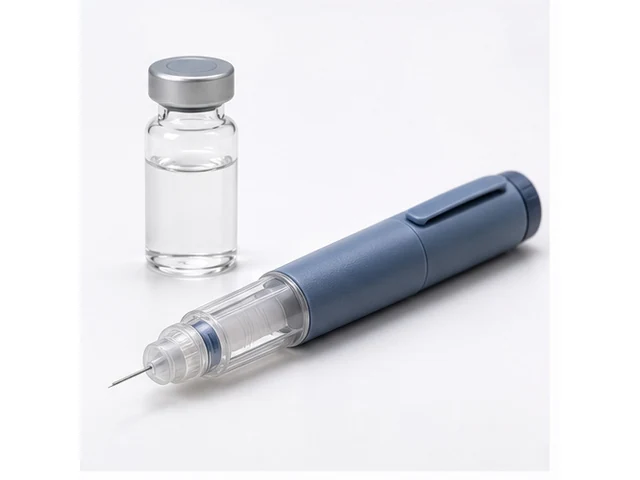
Cell disruption releases intracellular products from bacteria such as E. coli, from yeast, algae and other cells: recombinant proteins and enzymes, insulin precursors, viral vectors and virus-like particles for vaccines, pigments and oils. Typical: 600–1,500 bar, one to five passes, product cooled to 4–10 °C between passes. See also our yeast cell disruption system.
Personal Care
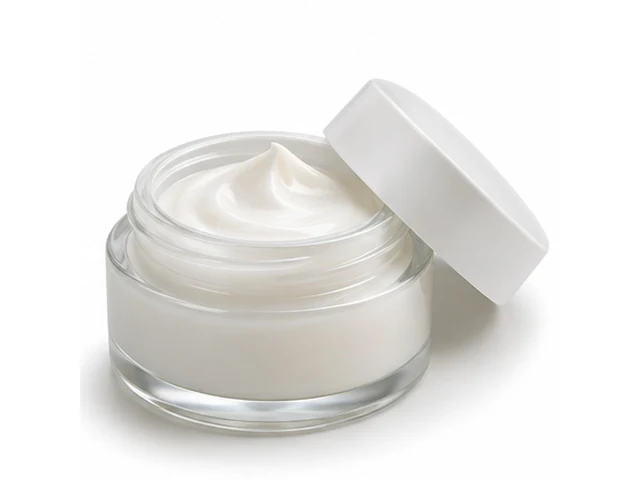
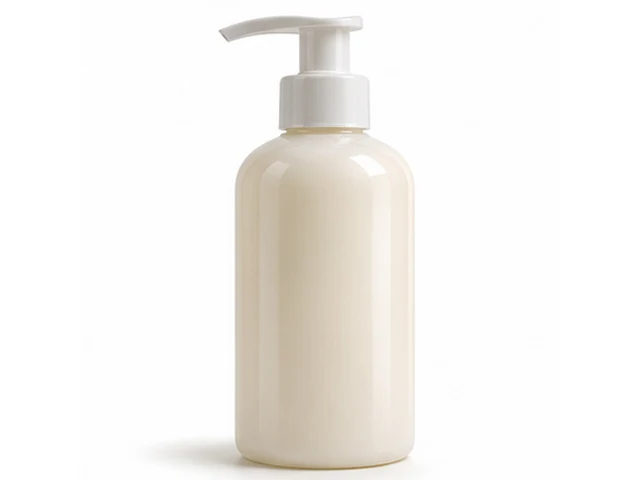
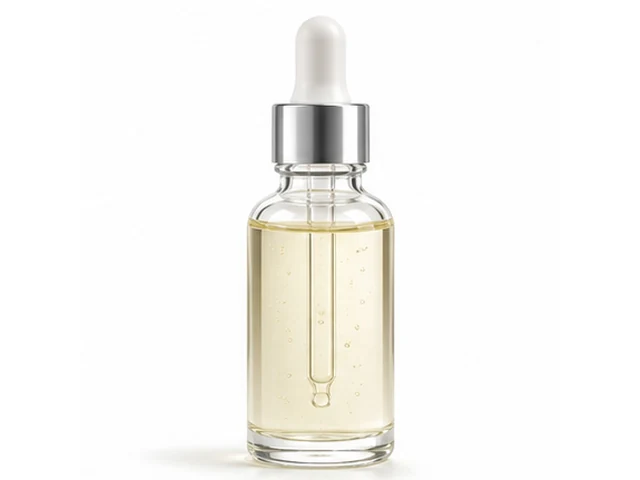
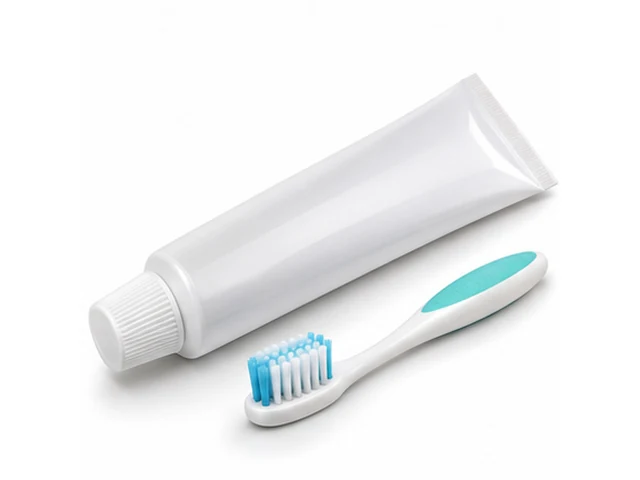
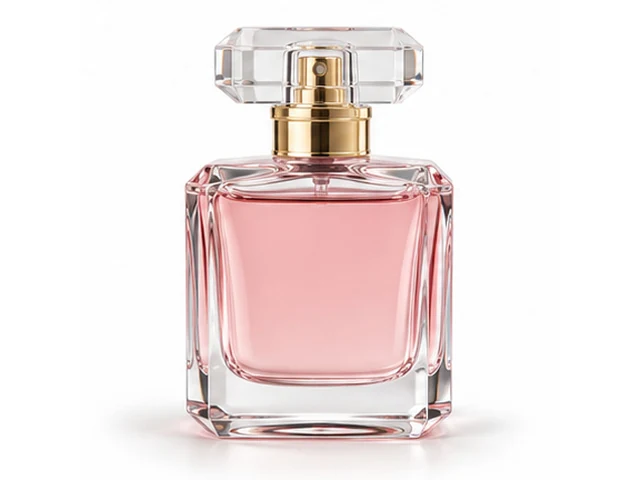
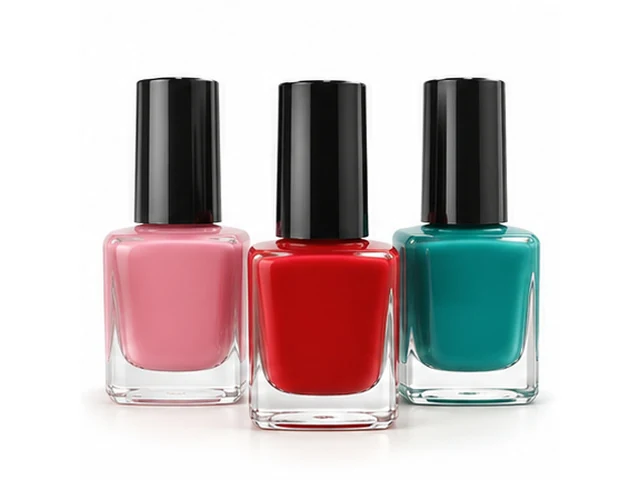
Face and body creams, lotions and sun care, liposomal serums, shampoos and conditioners, toothpaste, perfume emulsions and nail polish. Finer droplets give a lighter, silkier feel, better spreading and long-term stability with less emulsifier. Typical: 150–600 bar; liposomes up to 1,000 bar.
Pharmaceutical
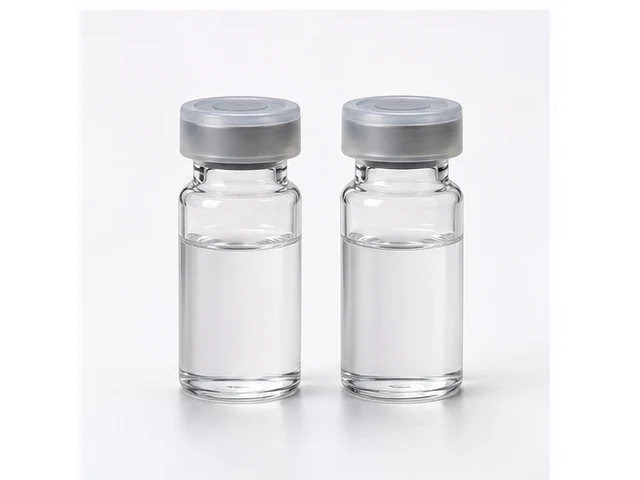
Vaccines and adjuvant emulsions, antibiotic suspensions, syrups, vitamin and mineral emulsions, parenteral lipid emulsions, liposomes, nano-suspensions and dermal creams. Droplets below 0.5 µm with a narrow distribution, aseptic execution, CIP and SIP, and documentation for GMP validation.
Typical Settings by Application: Biotech, Cosmetics and Pharma
| Application | Pressure | Stages and passes | Design notes |
|---|---|---|---|
| Bacterial cell disruption (E. coli) | 600–1,000 bar | Single stage, 2–3 passes | Cooling between passes, closed and contained design |
| Yeast and algae disruption | 1,000–1,500 bar | Single stage, 2–5 passes | Wear-resistant valve, heat exchanger after the valve |
| Cosmetic creams and lotions | 150–600 bar | Two stage, 1 pass | Hot process 70–80 °C, hygienic and CIP-ready |
| Liposomes, nano-emulsions | 700–1,500 bar | 1–5 passes | Narrow size distribution, sterile filtration downstream |
| Parenteral lipid emulsions | 500–1,000 bar | Two stage, several passes | Aseptic design, nitrogen blanketing, SIP |
Frequently Asked Questions About High Pressure Homogenizers
Have a question about pressure, capacity or trials? Ask our process engineers.
Get a Quote
Find the Right Homogenizer with Protrus
Tell us your product, flow rate, inlet temperature, target droplet or particle size and where the machine will sit in your line. Protrus engineers recommend the model, pressure, valve type and materials, and can arrange trials on a pilot homogenizer before you invest.
Prefer email? info@protrus.com