

Dairy & Beverage Processing · HTST
Pasteurizers for Dairy and Beverage Plants
Continuous plate and tubular pasteurizers and sterilizers that make milk, cream, juice and drinks safe, keep their fresh taste and recover most of the heat they use.
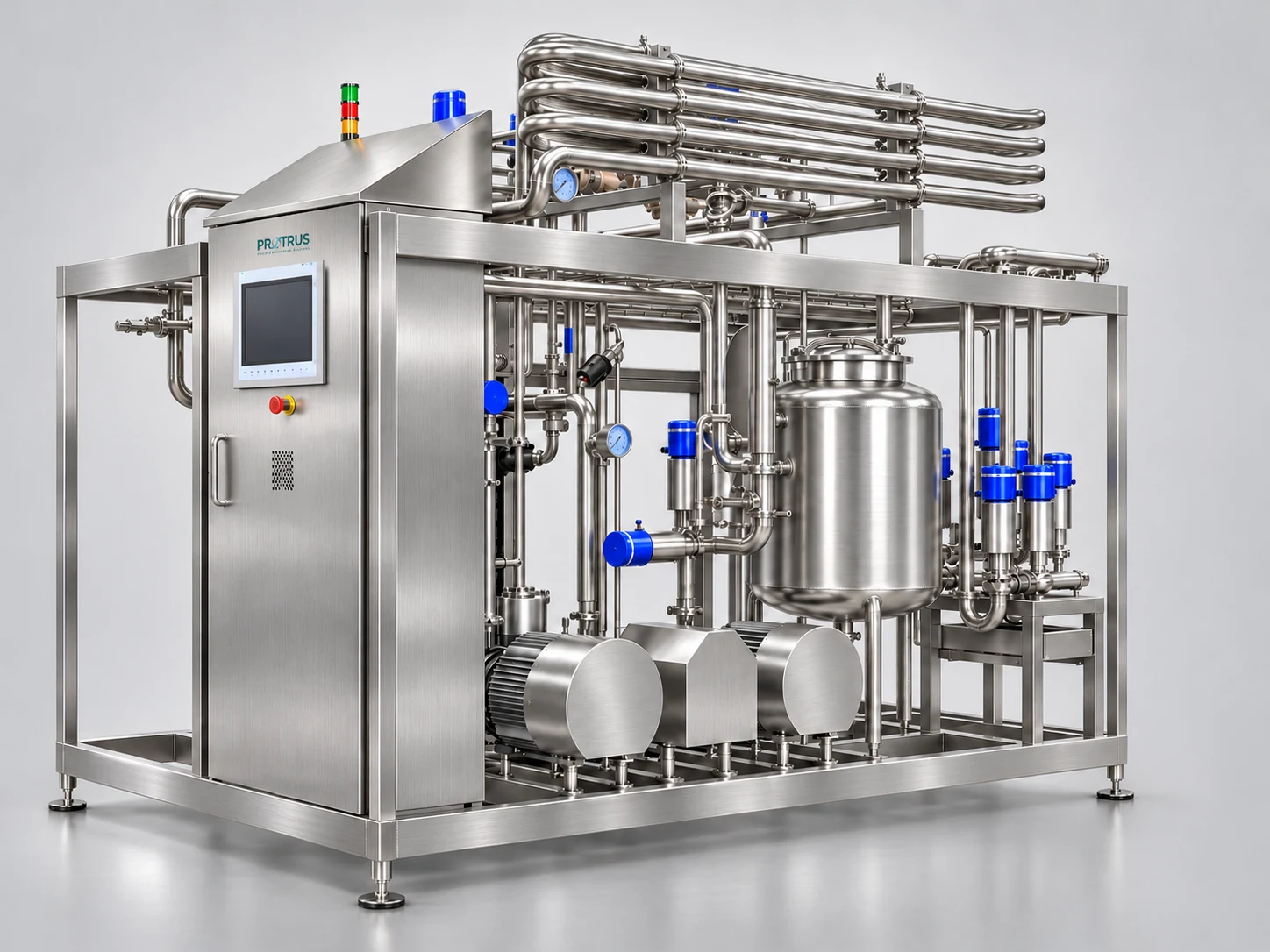
Protrus milk pasteurizer: plate heat exchanger, balance tank, pumps and control cabinet on one stainless skid.
1,000–35,000 L/h
Milk pasteurizers
1,000–10,000 L/h
Cream pasteurizers
1,000–25,000 L/h
Beverage pasteurizers and sterilizers
> 90 %
Heat recovery in production
Range overview
What a Pasteurizer Does
Continuous plate and tubular pasteurizers and sterilizers that make milk, cream, juice and drinks safe, keep their fresh taste and recover most of the heat they use.
A pasteurizer heats a liquid to a set temperature, keeps it there for a set time and cools it again, in a closed and continuous flow. This kills pathogens and most spoilage organisms while the taste, color and nutrients stay close to the raw product.
Protrus builds HTST (high temperature, short time) units on a single stainless skid: balance tank, feed pump, plate or tubular heat exchanger, holding tube, flow diversion valve, hot water set, CIP dosing and PLC control. The skid is piped, wired and water tested in our workshop, so it is ready to connect on site.
Pasteurizer and Sterilizer Range
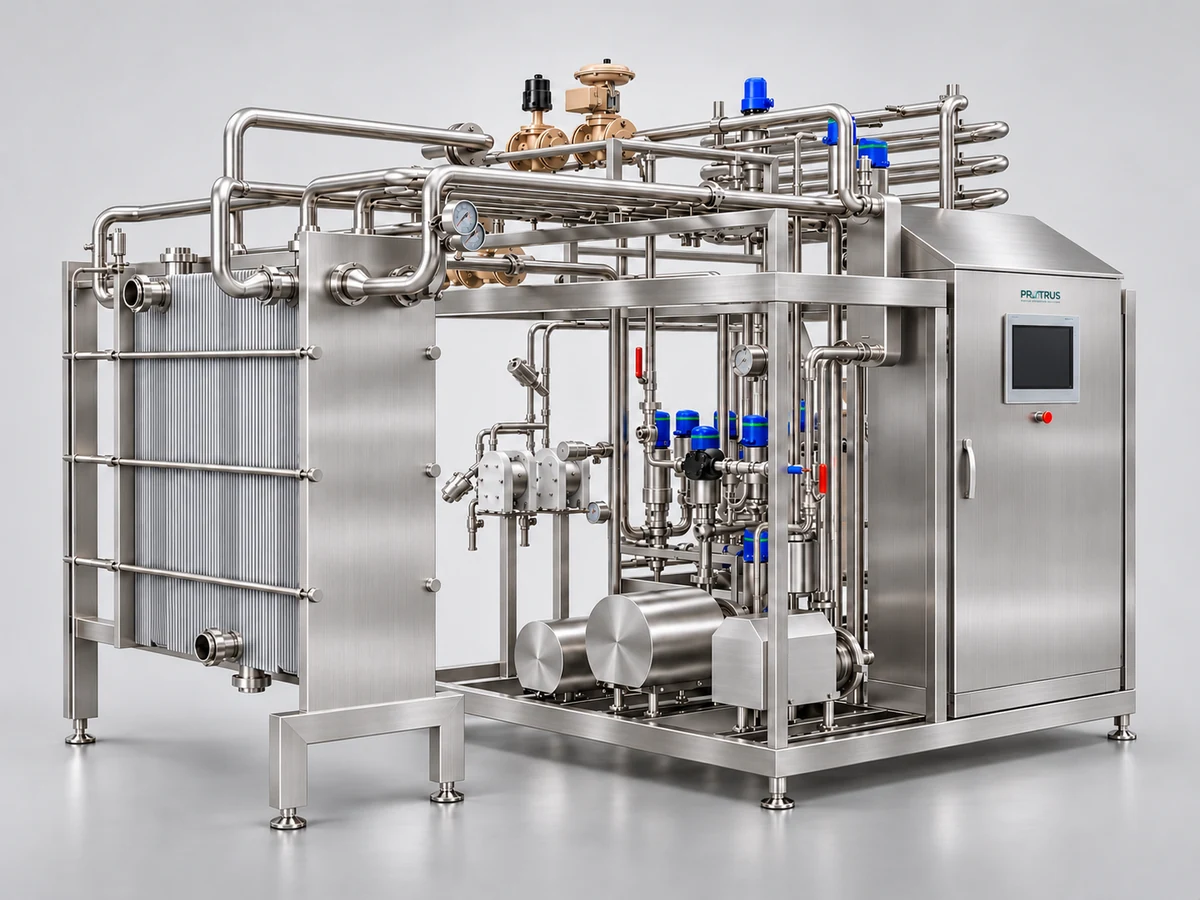
Dairy · Plate type
Milk Pasteurizer
Market, cheese and yogurt milk, drinking yogurt. 1,000–35,000 L/h.
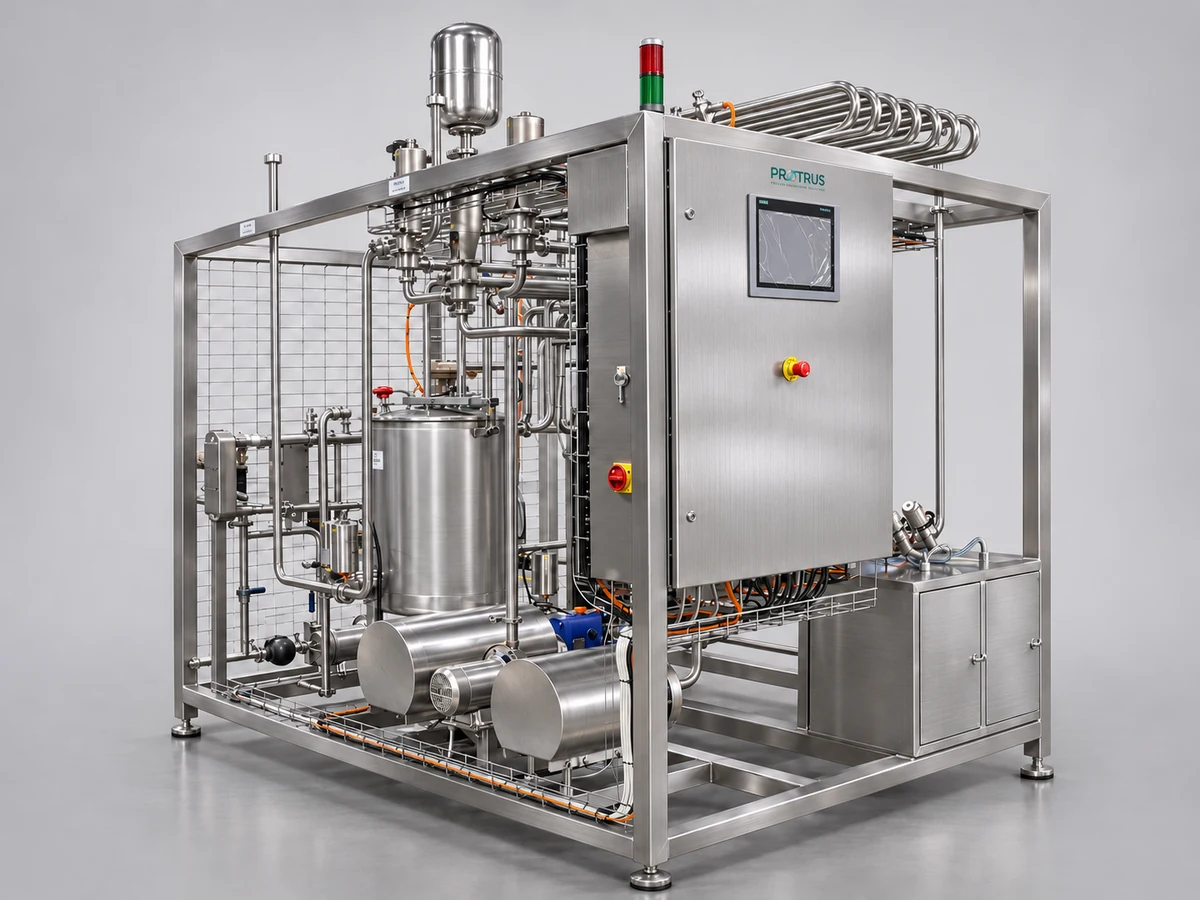
Dairy · High temperature
Cream Pasteurizer
Cream for butter, whipping and cultured cream, mixes. 1,000–10,000 L/h.
Heat Treatment Programs at a Glance
| Treatment | Temperature | Holding time | Typical products | Protrus unit |
|---|---|---|---|---|
| Thermization | 63–65 °C (145–149 °F) | 15–20 s | Raw milk held before cheese making | Milk pasteurizer |
| HTST pasteurization | 72–78 °C (162–172 °F) | 15–30 s | Market milk, cheese milk, flavored milk | Milk pasteurizer |
| High pasteurization | 85–95 °C (185–203 °F) | 3 s – 5 min | Cream, yogurt milk, drinking yogurt, ice cream mix | Milk or cream pasteurizer |
| Juice pasteurization | 85–95 °C (185–203 °F) | 15–30 s | Juice, nectar, iced tea, soft drinks | Plate or tubular beverage pasteurizer |
| Hot fill / aseptic, high-acid | 95–110 °C (203–230 °F) | 15–60 s | Shelf-stable juice, nectar, smoothie | Tubular sterilizer |
| Sterilization, low-acid | 130–140 °C (266–284 °F) | 4–10 s | Plant-based and protein drinks, milk tea | Tubular sterilizer |
Values are typical; final temperatures and times follow the product, local regulations and trials.
Standard Capacities
| Unit | Products | Capacity |
|---|---|---|
| Milk pasteurizer | Milk, yogurt, cheese, drinking yogurt | 1,000–35,000 L/h |
| Cream pasteurizer | Cream, high-fat mixes | 1,000–10,000 L/h |
| Beverage pasteurizer | Juice, nectar, tea, drinks | 1,000–25,000 L/h |
Built In for Every Unit
| Feature | Benefit |
|---|---|
| Flow diversion valve | No under-heated product goes forward |
| Positive pressure | Pasteurized side never takes raw product |
| Data logging | Every batch traceable on the HMI |
Higher capacities are available on request and are built to order.
Where Pasteurizers Work in Dairy Plants
Where Pasteurizers Work in Beverage Plants
Milk pasteurizers
Milk Pasteurizer for Market Milk, Cheese Milk and Yogurt Milk
A five-section plate pasteurizer that heats, holds and cools milk in one continuous flow and feeds separators, homogenizers and tanks at the right temperature.
Five-section milk pasteurizer with plate heat exchanger and control panel.
1,000–35,000
L/h, higher on request
72–78 °C
15–30 s for market milk
> 90 %
heat recovery in production
AISI 316L
plates and wetted parts
How the Milk Pasteurizer Works
Cold raw milk flows from the balance tank through the regeneration section, where the hot pasteurized milk warms it. It leaves at separation temperature for the separator and standardizer, comes back, warms further and passes the homogenizer.
A hot water circuit lifts it to pasteurization temperature, the holding tube keeps it there for a fixed time, and the diversion valve checks the temperature before the milk goes back through regeneration and ice-water cooling.
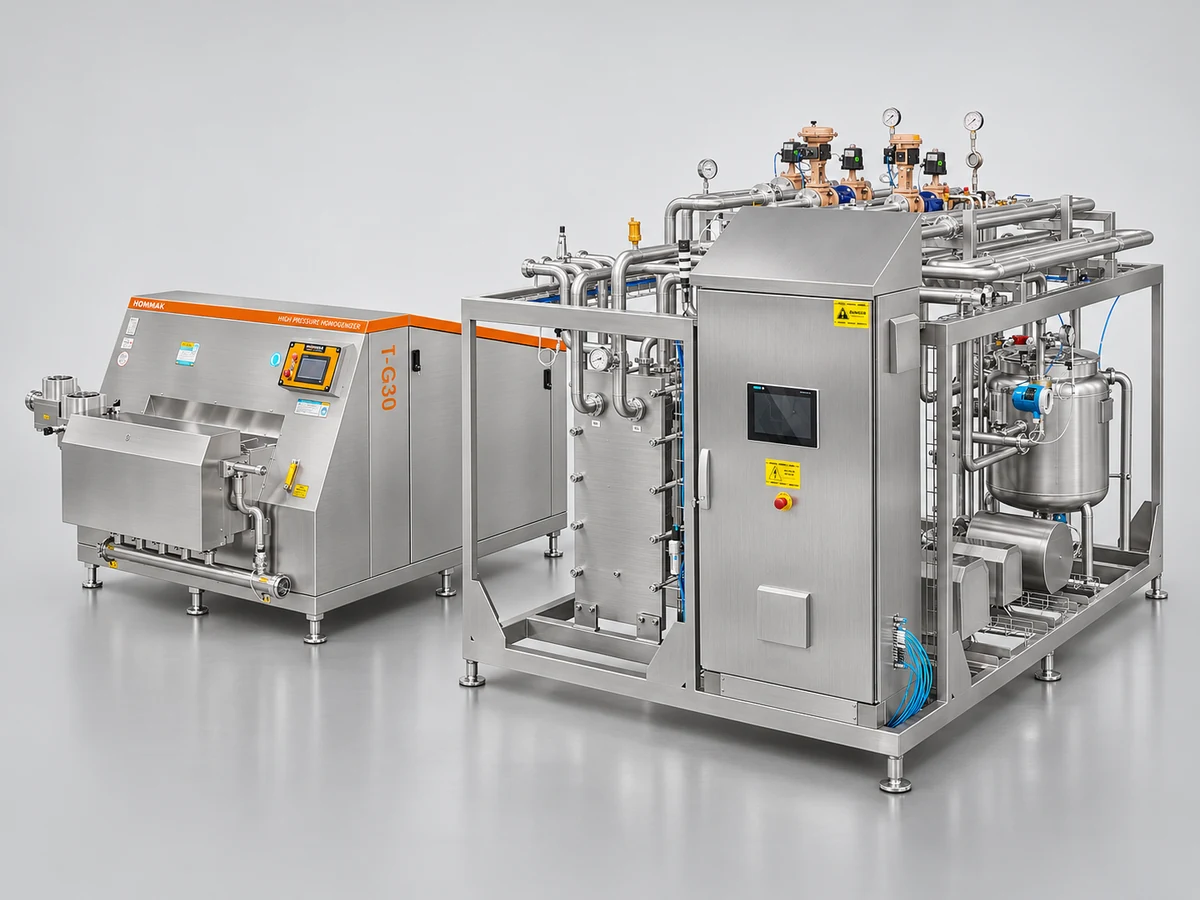
Milk pasteurizer connected to a high pressure homogenizer.
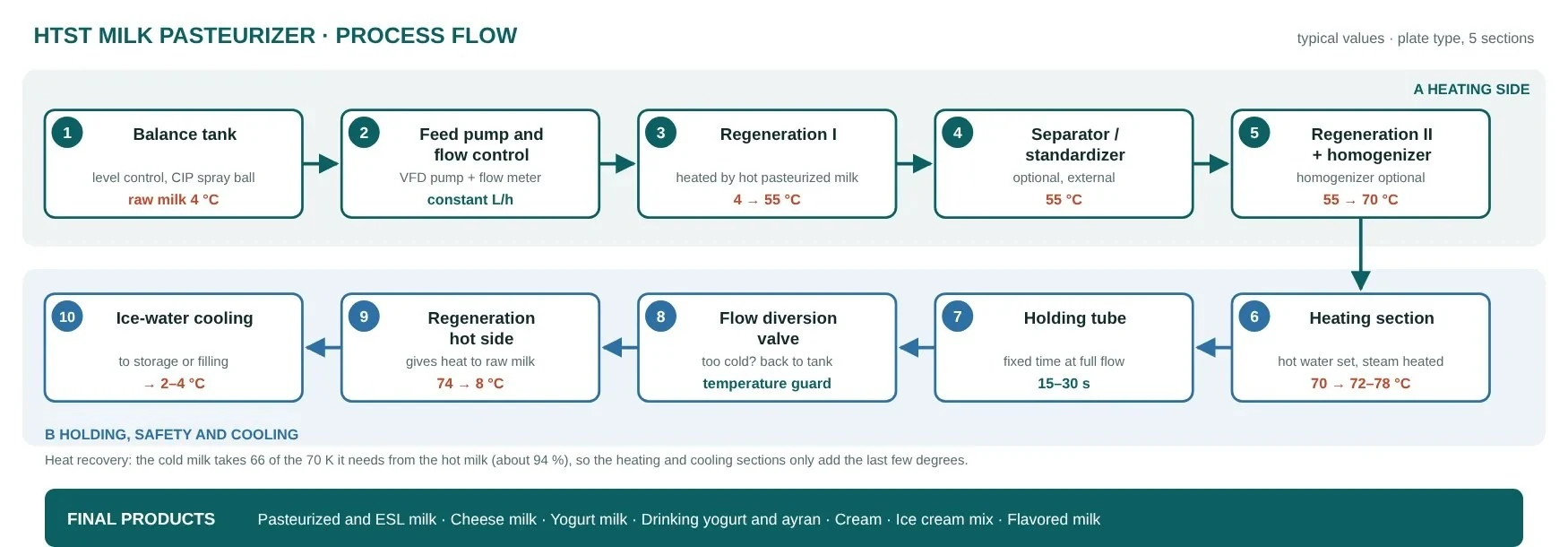
HTST milk pasteurizer process flow, plate type, five sections. Typical values.
Standard Temperature Programs (Typical)
| Step | Market milk | Cheese milk | Yogurt milk | Drinking yogurt / ayran |
|---|---|---|---|---|
| Inlet | 4 °C (39 °F) | 4 °C (39 °F) | 4 °C (39 °F) | 4 °C (39 °F) |
| Separation / standardization | 50–55 °C | 50–55 °C | 50–55 °C | 50–55 °C |
| Homogenization | 65–70 °C, 150–200 bar | not used or partial | 65–70 °C, 150–250 bar | 65–70 °C, 150–200 bar |
| Deaeration (optional) | 65–70 °C | – | 65–70 °C | 65–70 °C |
| Pasteurization / holding | 74–78 °C · 15–16 s | 72–74 °C · 15–16 s | 90–95 °C · 3–5 min | 90–95 °C · 3–5 min |
| Outlet | 2–4 °C to storage | 30–38 °C to cheese vat | 42–44 °C to fermentation | 42–44 °C to fermentation |
150–250 bar equals about 2,200–3,600 psi. Homogenization runs on a Protrus high pressure homogenizer.
What the Milk Pasteurizer Connects To
Why It Pays Back
Holding times over 30 s (yogurt milk, drinking yogurt) use a holding tube mounted outside the pasteurizer frame and a second hot water unit, so the same skid can switch between market milk and fermented products.
Cream pasteurizers
Cream Pasteurizer for Butter, Whipping and Cultured Cream
High-temperature pasteurization for fat-rich, viscous products, with gentle pumping that protects the fat globules and the flavor of the cream.
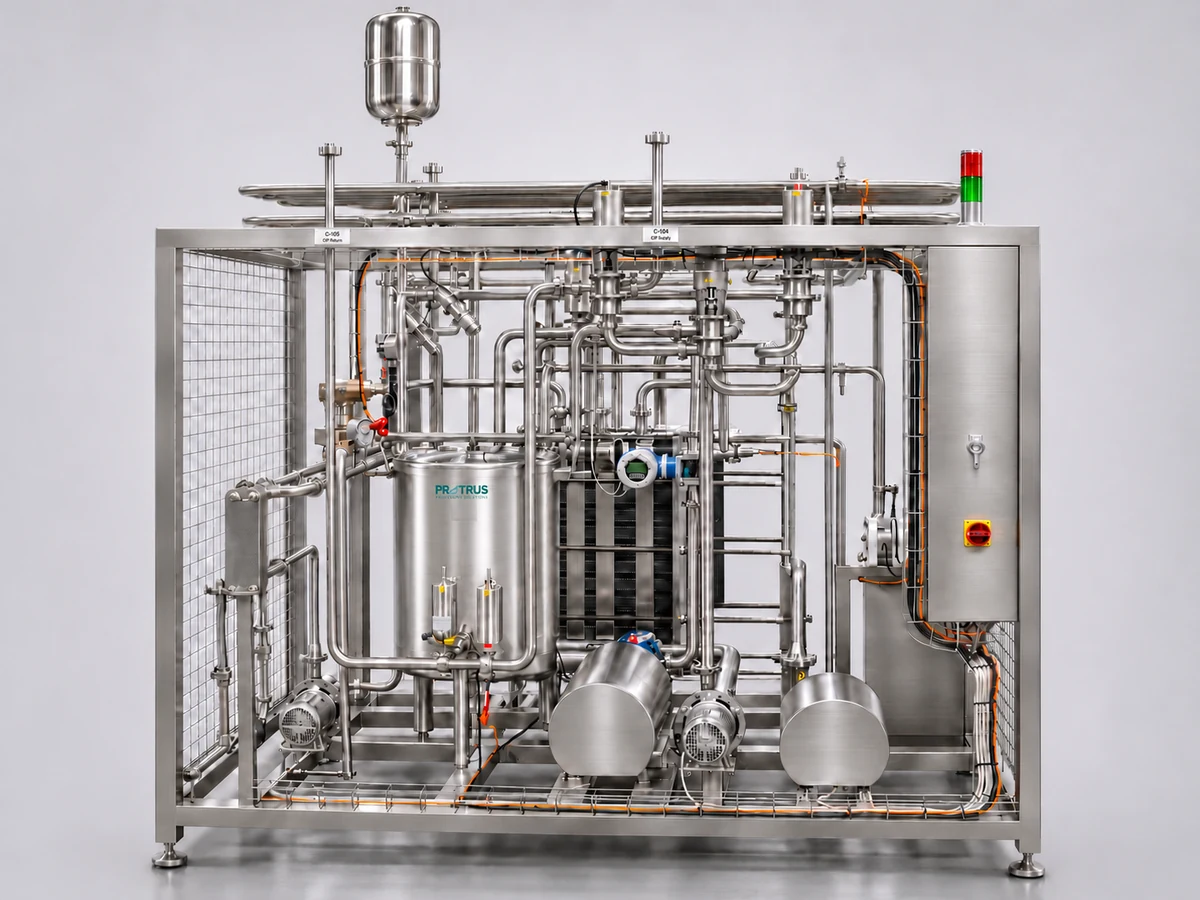
Cream pasteurizers with balance tank, holding cell, plate heat exchanger and touch panel.
Why Cream Needs Its Own Pasteurizer
Cream carries 30–45 % fat. It is thicker than milk, sticks to hot surfaces and its fat globules break easily. Cream is also heated harder than milk, often 90–95 °C (194–203 °F), to destroy enzymes and give butter and whipping cream a long, clean shelf life.
The Protrus cream pasteurizer uses wide-gap plates, low-shear pumps and a hot water circuit with a small temperature difference to the product, so cream does not burn on the plates and keeps its whipping and churning quality.
1,000–10,000
L/h, higher on request
85–95 °C
pasteurization, 3–15 s
8 °C
typical outlet to cream tank
10 + 9
product and CIP recipes
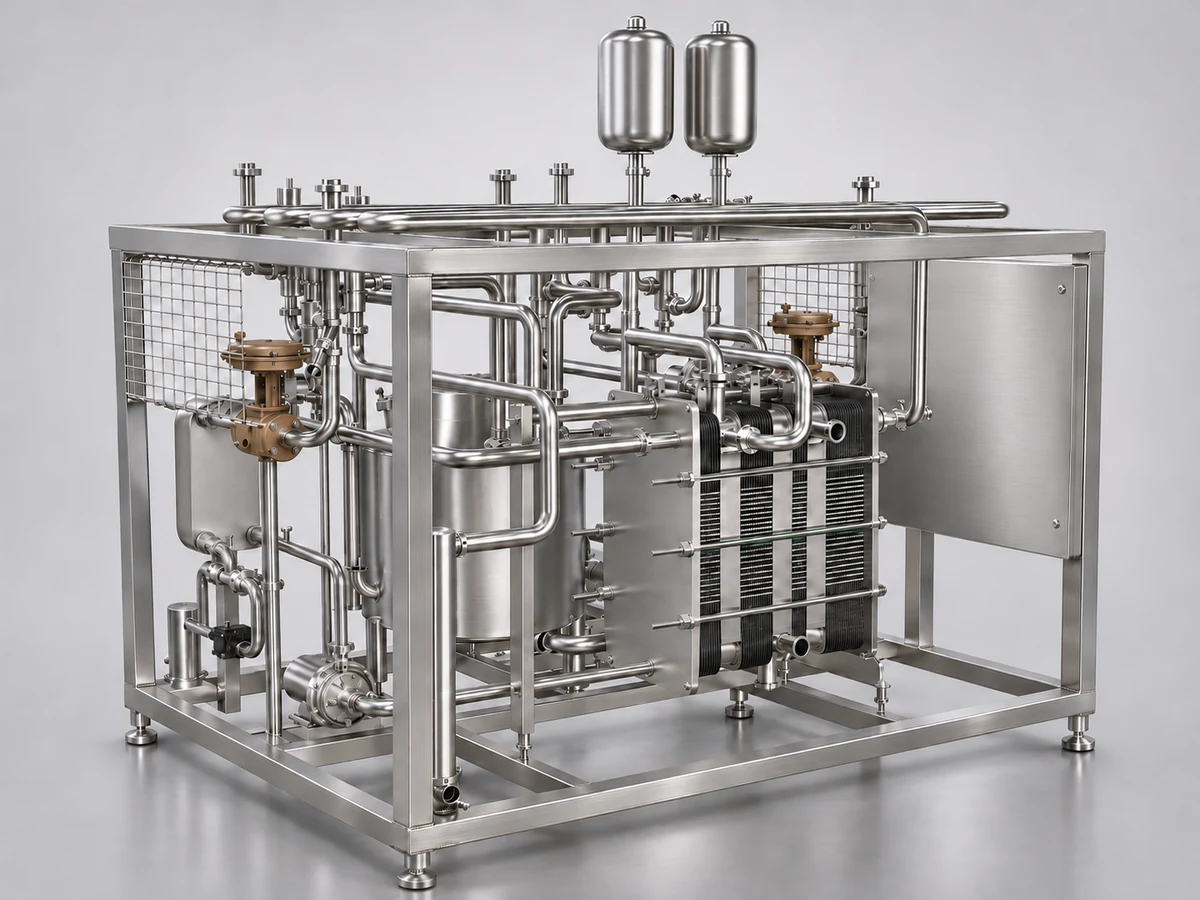
Compact cream pasteurizer with open frame for service.
Designed for Viscous, Fat-Rich Products
Typical Cream and Mix Programs
| Product | Fat | Pasteurization | Holding | Outlet | Next step |
|---|---|---|---|---|---|
| Cream for butter | 35–42 % | 90–95 °C | 3–15 s | 8–10 °C | Ripening tank, butter churn |
| Whipping cream | 30–38 % | 85–90 °C | 15 s | 4–6 °C | Filling or UHT line |
| Cultured / sour cream | 18–30 % | 90–95 °C | 3–5 min | 20–30 °C | Fermentation tank |
| Coffee cream | 10–20 % | 85–90 °C | 15 s | 4–6 °C | Filling |
| Ice cream mix | 8–16 % | 85–90 °C | 15–30 s | 4–5 °C | Ageing tanks, after homogenizer |
Beverage pasteurizers
Beverage Pasteurizers: Plate Type and Tubular Type
Continuous pasteurizers for juice, nectar, tea and soft drinks. The product decides the heat exchanger: plates for clear drinks, tubes for pulp, fibers and pieces.
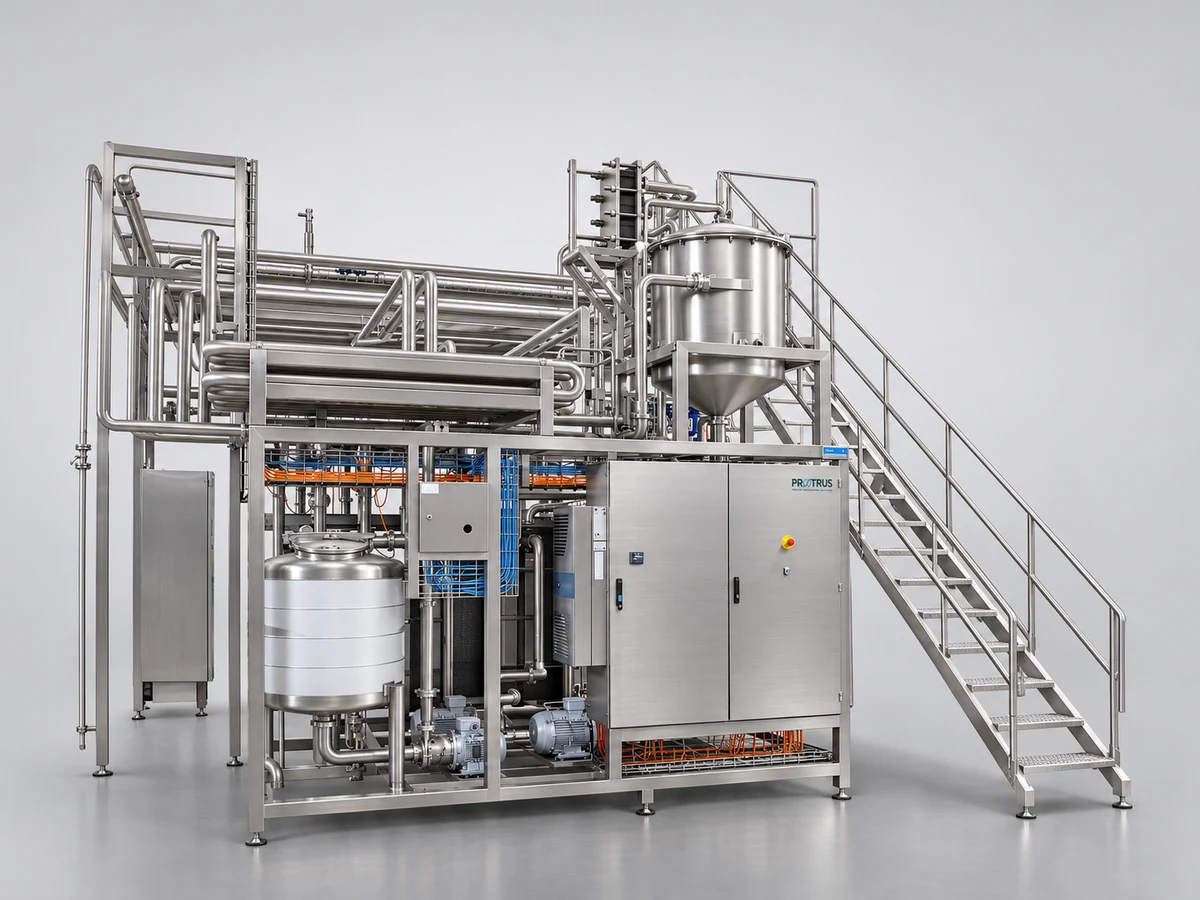
Plate Type Beverage Pasteurizer
A gasketed plate heat exchanger with regeneration, heating and cooling sections gives the highest heat recovery in the smallest space. The unit shown has a vacuum deaerator and a service platform; plates are added when capacity grows.
Best for: clear and cloudy juice; iced tea; soft drinks and flavored water; syrups and drink bases.

Tubular Type Beverage Pasteurizer
Tube-in-tube or multi-tube heat exchangers with wide, smooth channels. Pulp, fibers and fruit cells pass without blocking, and the unit runs longer between cleanings. Corrugated tubes raise turbulence and heat transfer.
Best for: juice with pulp and NFC juice; nectars and smoothies; purees and concentrates; plant-based drinks.
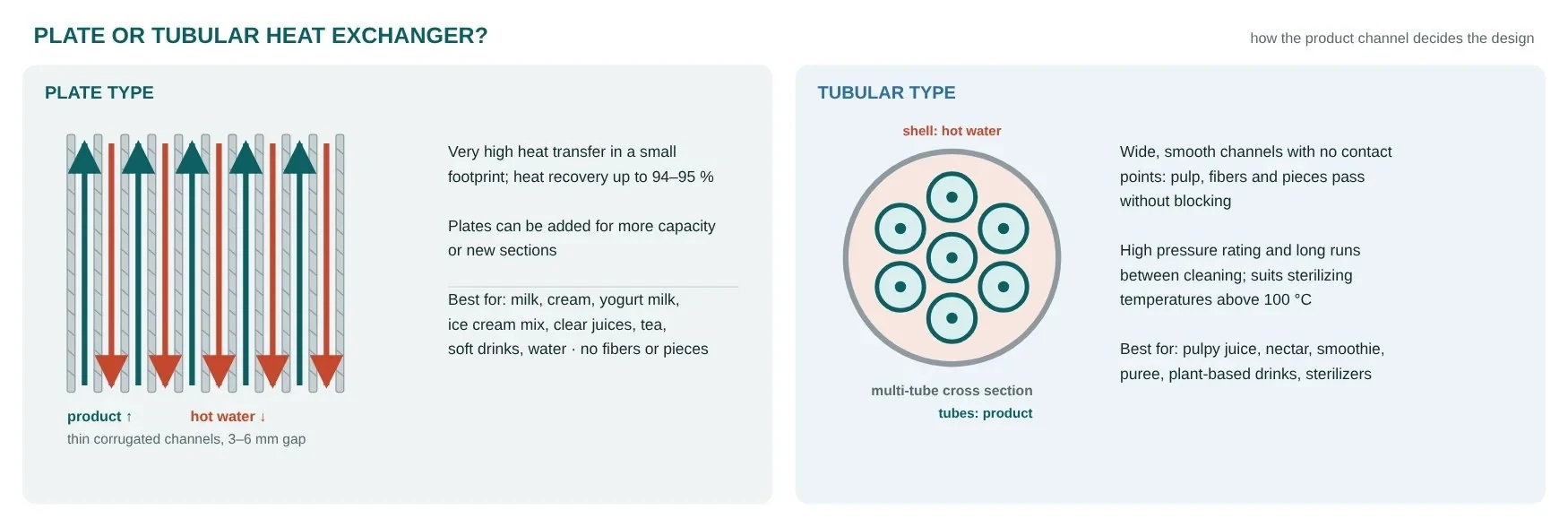
Plate or tubular heat exchanger? The product channel decides the design.
Typical Beverage Programs
| Product | pH | Pasteurization | Holding | Heat exchanger | Filling |
|---|---|---|---|---|---|
| Clear juice (apple, grape) | 3.2–3.8 | 85–90 °C | 15–30 s | Plate | Hot fill or cold fill |
| Orange juice, NFC, with pulp | 3.4–4.0 | 90–95 °C | 15–30 s | Tubular | Aseptic or cold chain |
| Nectar, smoothie | 3.4–4.2 | 90–95 °C | 30–60 s | Tubular | Hot fill or aseptic |
| Iced tea, soft drinks | 2.8–4.5 | 80–92 °C | 15–30 s | Plate | Hot fill or tunnel |
Fruit juice is acidic (pH below 4.6), so 85–95 °C (185–203 °F) is enough to make it stable. A vacuum deaerator before heating removes oxygen, protects vitamin C and color, and stops foaming in the filler.
Sterilizers
Sterilizer Systems for Beverages
Tubular sterilizers that make juice and drinks shelf stable for aseptic or hot filling, with deaeration and homogenization in the same line.
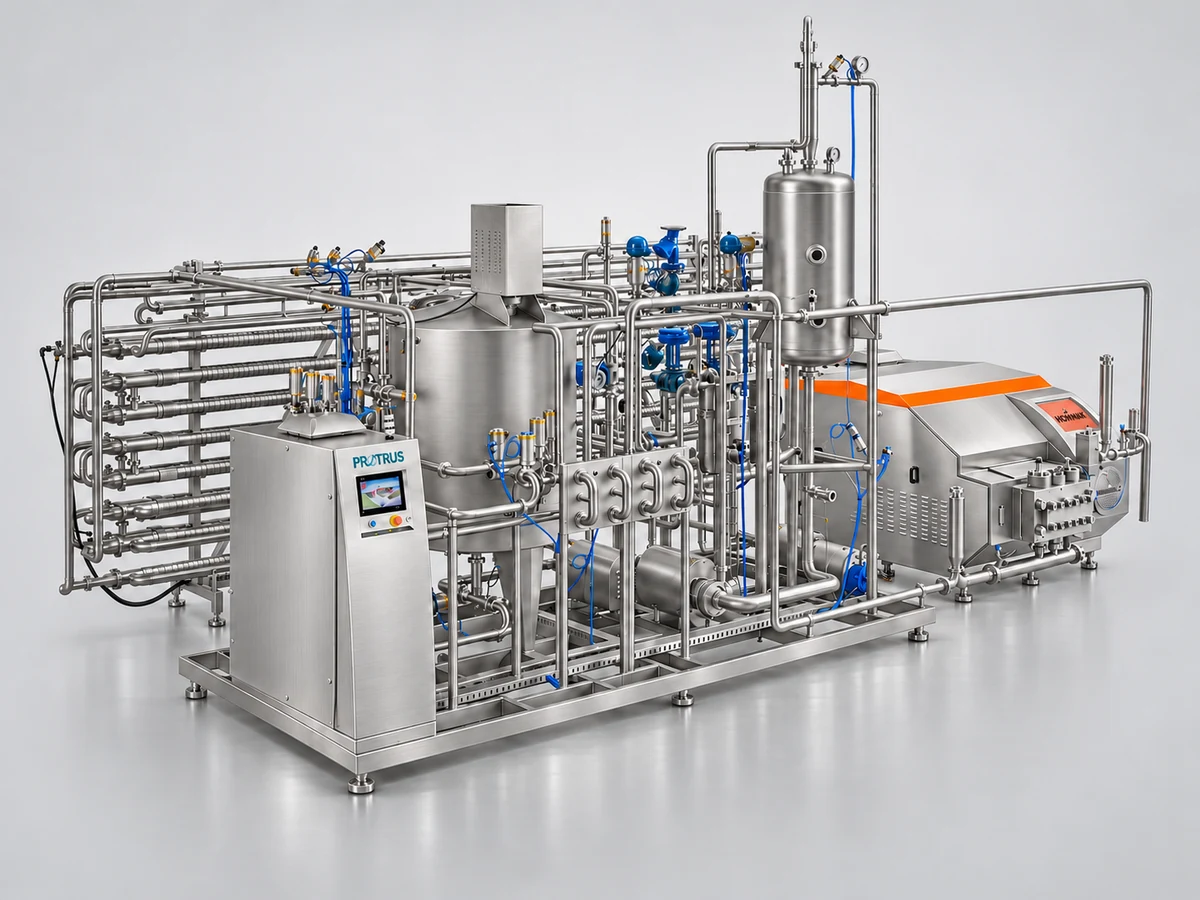
Tubular sterilizer for juice with flash vessel, homogenizer and control panel.
1,000–25,000
L/h, higher on request
95–140 °C
by product acidity
4–60 s
holding time
Aseptic
or hot fill outlet
Pasteurizer or Sterilizer?
A pasteurizer makes a drink safe for a chilled shelf life of days or weeks. A sterilizer goes further: it heats the drink above 95 °C (203 °F) for high-acid juice or to 130–140 °C (266–284 °F) for low-acid drinks, holds it, cools it and delivers it to an aseptic tank or filler, so the packed product keeps for months at room temperature.
Protrus builds sterilizers with tubular heat exchangers because they tolerate high pressure, high temperature and pulp, and run long production days between cleanings.

Tubular sterilizer for beverages, process flow. Typical values, aseptic or hot filling.
Built for Sterile, Shelf-Stable Drinks
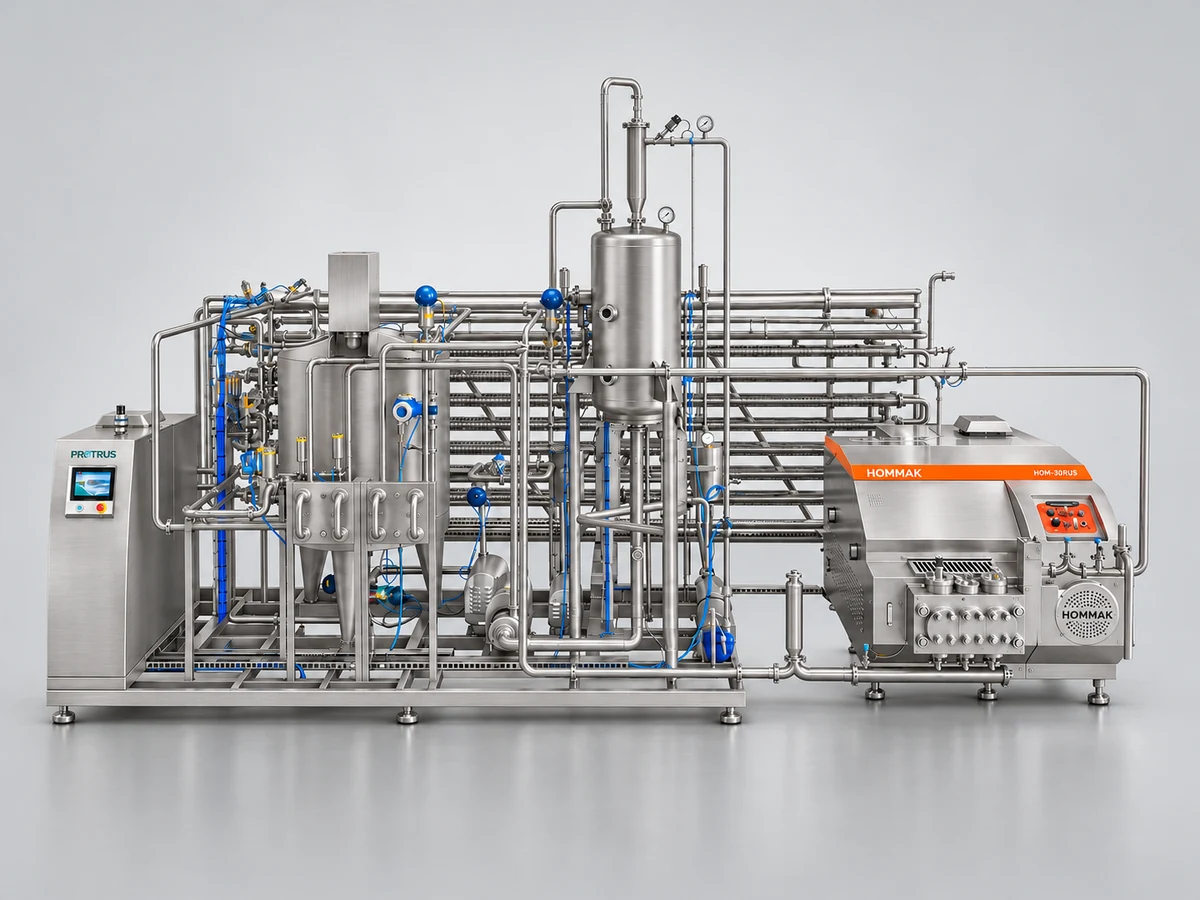
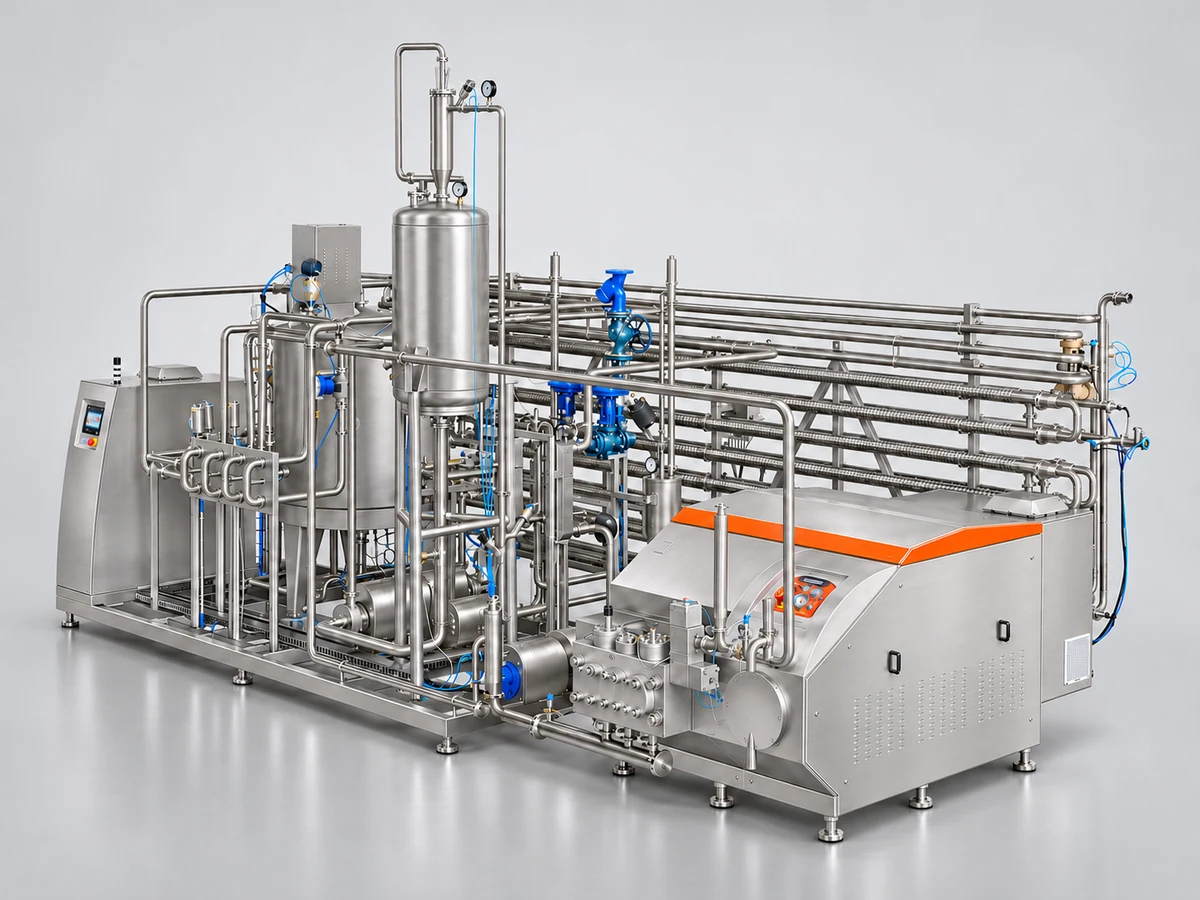
Front and side views: tubular heater banks, deaerator and homogenizer on a common frame.
Design and automation
Pasteurizer Design, Automation and Application Areas
One skid, fully tested before delivery: heat exchanger, hot water set, pumps, valves, CIP dosing and PLC, with every temperature recorded for food safety audits.
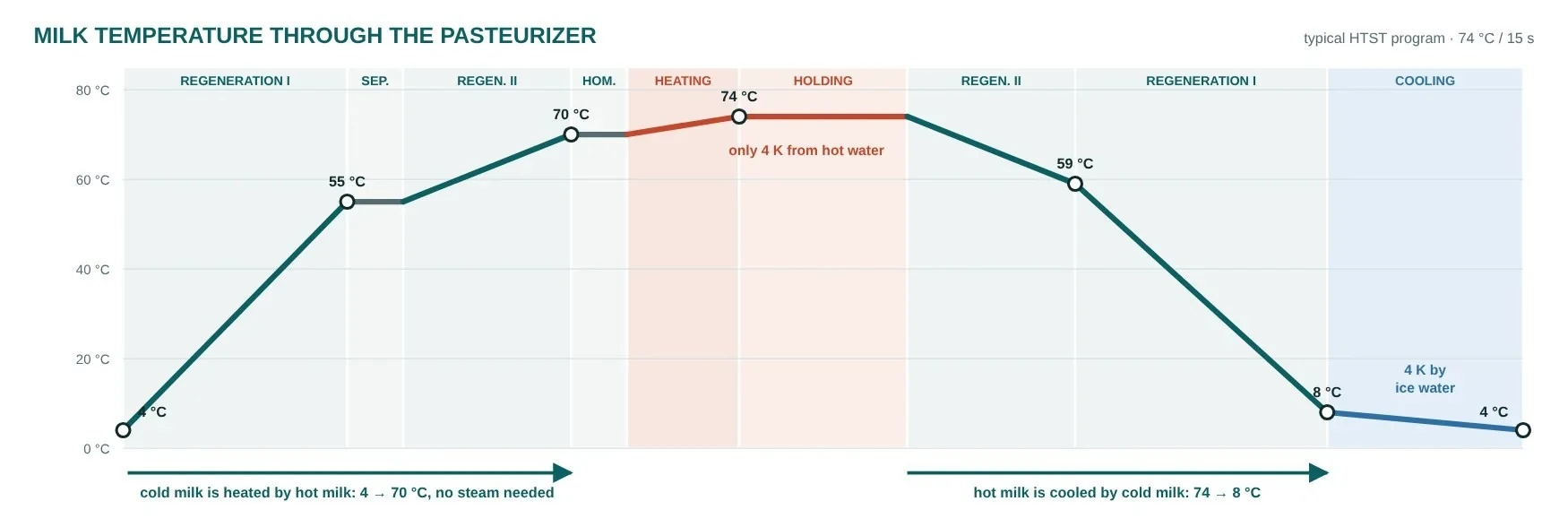
Milk temperature through the pasteurizer: cold milk is heated by hot milk from 4 to 74 °C with no steam needed, and hot milk is cooled by cold milk from 74 to 4 °C. Typical HTST program.
Technical Data (Typical, 10,000 L/h Unit)
| Parameter | Value |
|---|---|
| Heat exchanger | Plate type, 5 sections, AISI 316L plates, clip-on gaskets, AISI 304L frame |
| Heat recovery | Above 90 % in production |
| Heating | Hot water set: circulation pump, expansion tank, steam valve, trap and filter |
| Balance tank | Rotary CIP spray ball, level transmitter, automatic water inlet |
| Pumps | Hygienic feed and booster pumps with VFD, Ra 0.8 µm |
| Flow control | Flow meter with automatic speed control |
| Safety | Divert valve, pressure tracking, positive pressure on pasteurized side |
| CIP | Built-in dosing, 2 pumps, conductivity meter at outlet |
| Control | PLC, 15″ HMI, 10 product and 9 CIP recipes, chart recorder |
| Piping | Ra 0.8 µm, DIN 11850; DIN 11851/11852 fittings, no dead legs |
Standard Equipment
Options

Gasketed plate heat exchanger.

Tube-in-tube heat exchanger.
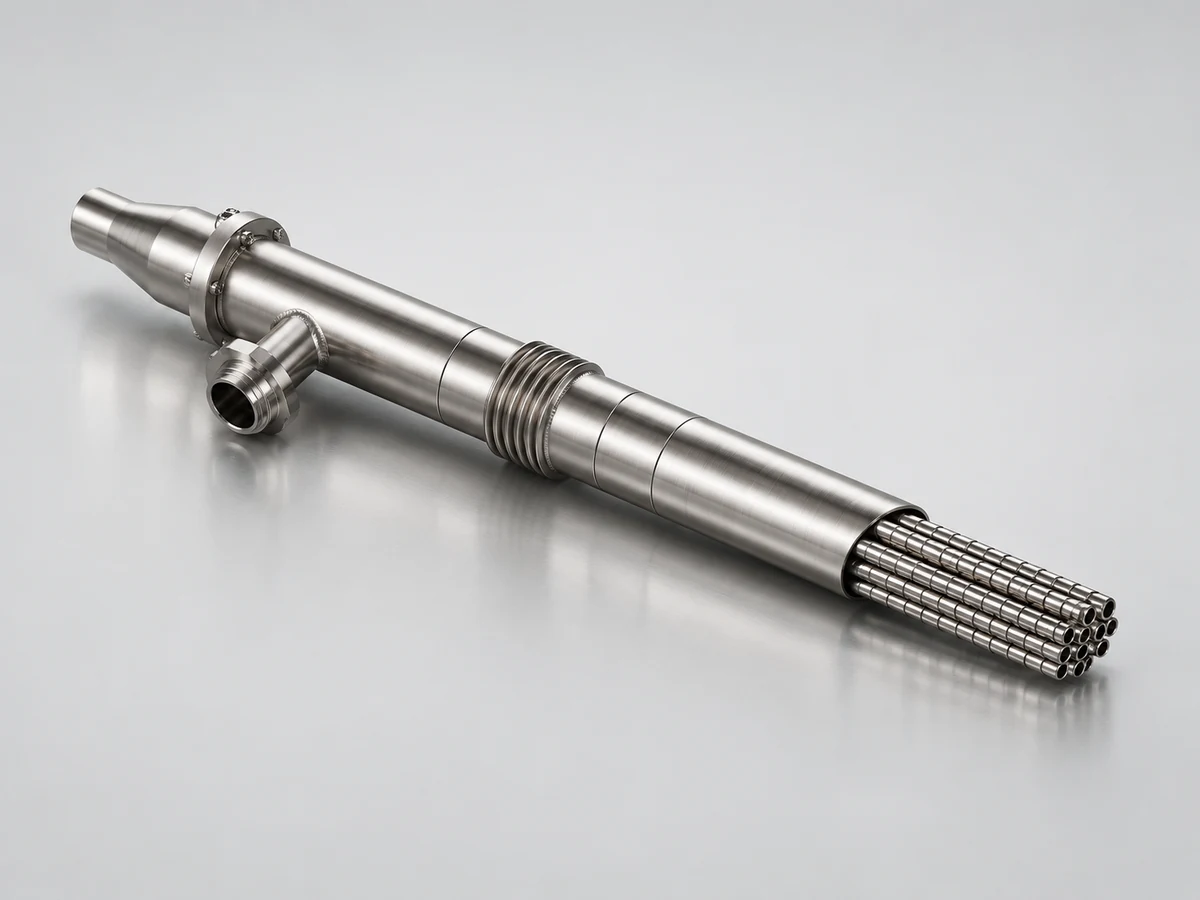
Multi-tube cutaway.
Configurations
Pasteurizer Configurations for Dairy and Juice Plants
Each skid is laid out around the line it feeds: with a homogenizer and deaerator, as several pasteurizers for different products, or with plate and tubular heat exchangers for juice.
Milk Pasteurizers with Homogenizer and Deaerator
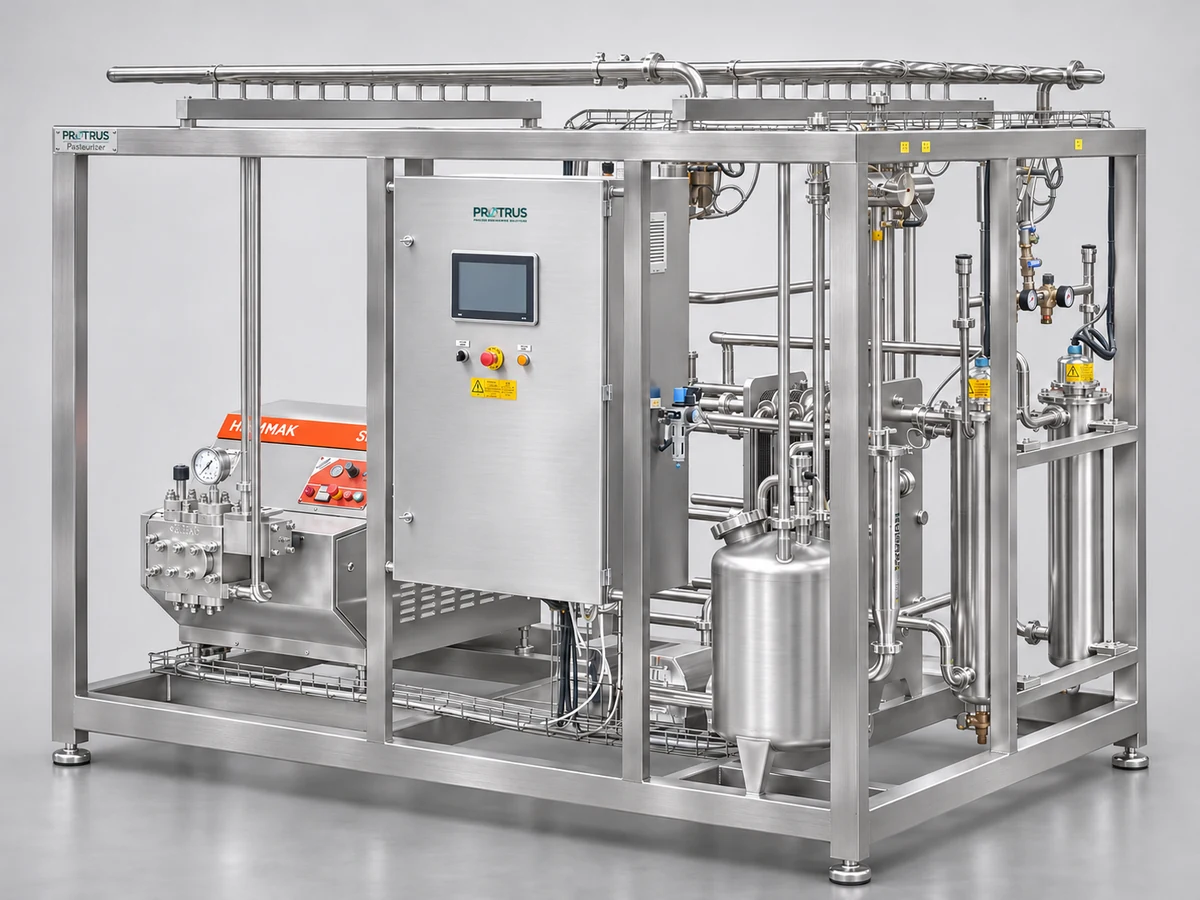
Pasteurizer frame with homogenizer and deaerator.
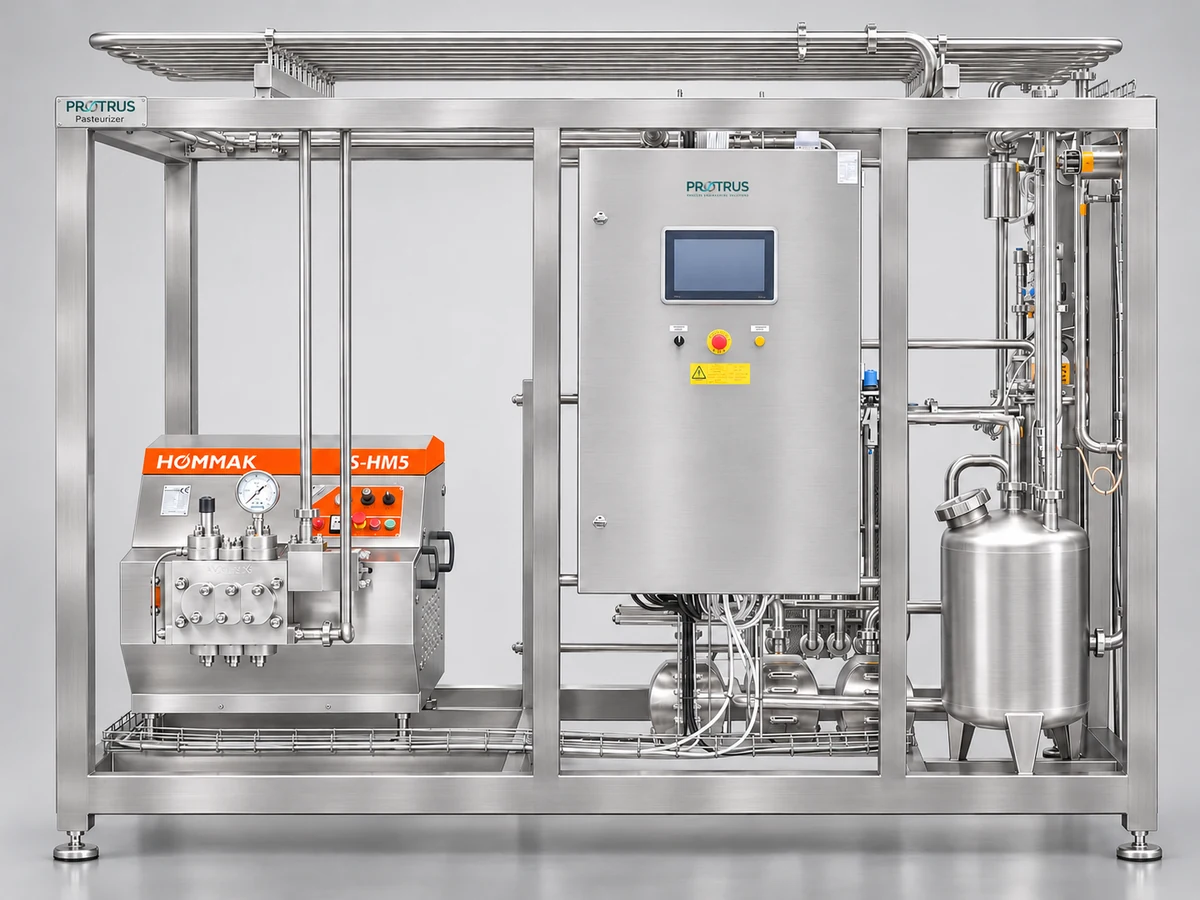
Front view: control cabinet above the skid.
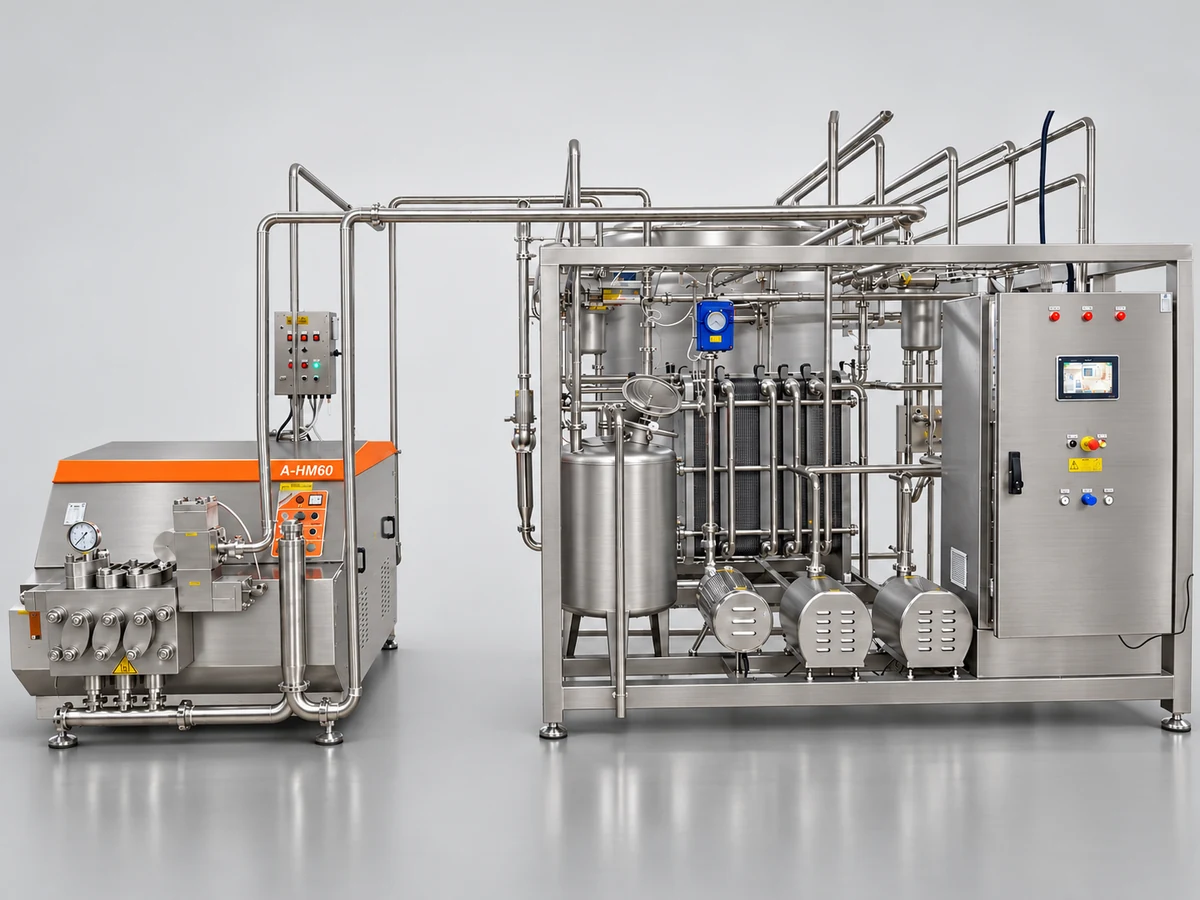
Pasteurizer and homogenizer side by side.
Dairy Pasteurizer Plants for Several Products
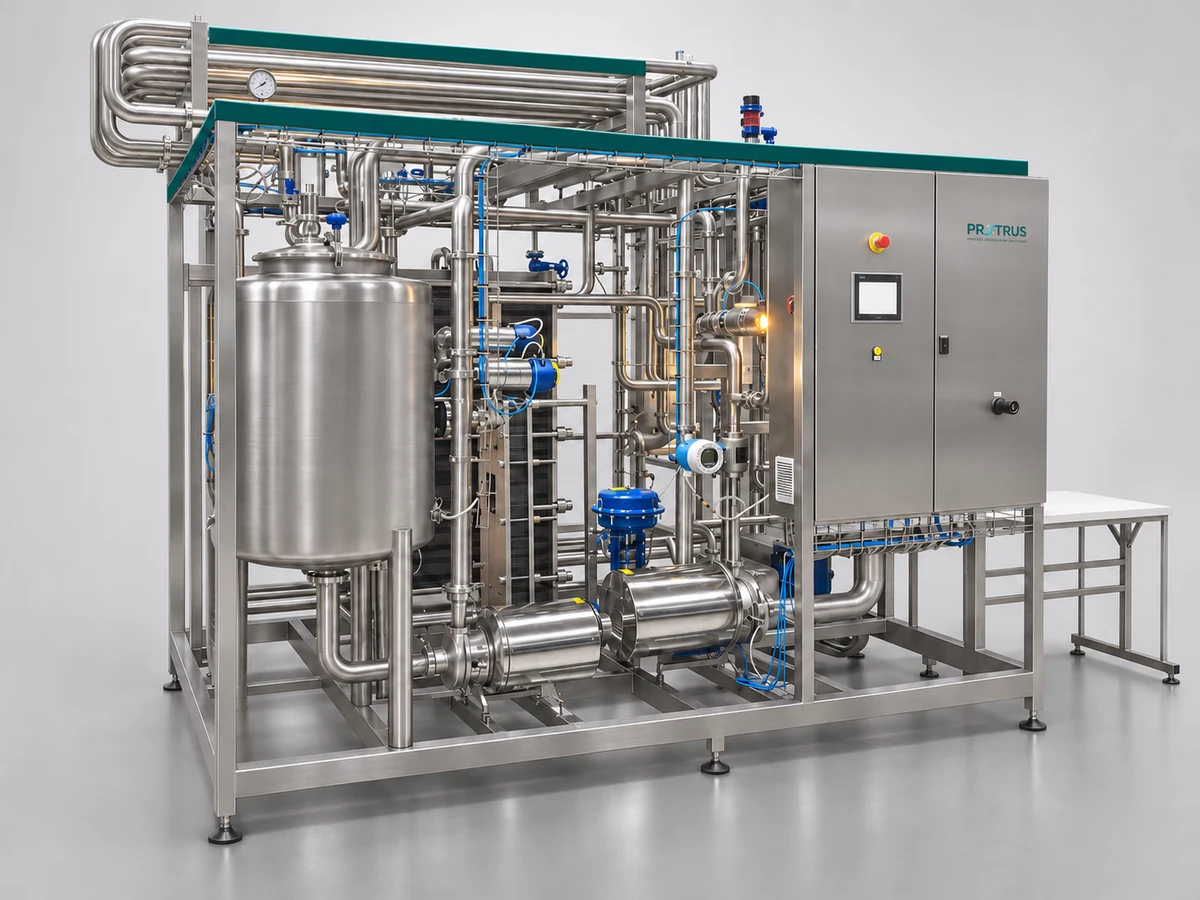
Dairy pasteurizer with holding cell.

Three pasteurizers for milk, cream and mix.
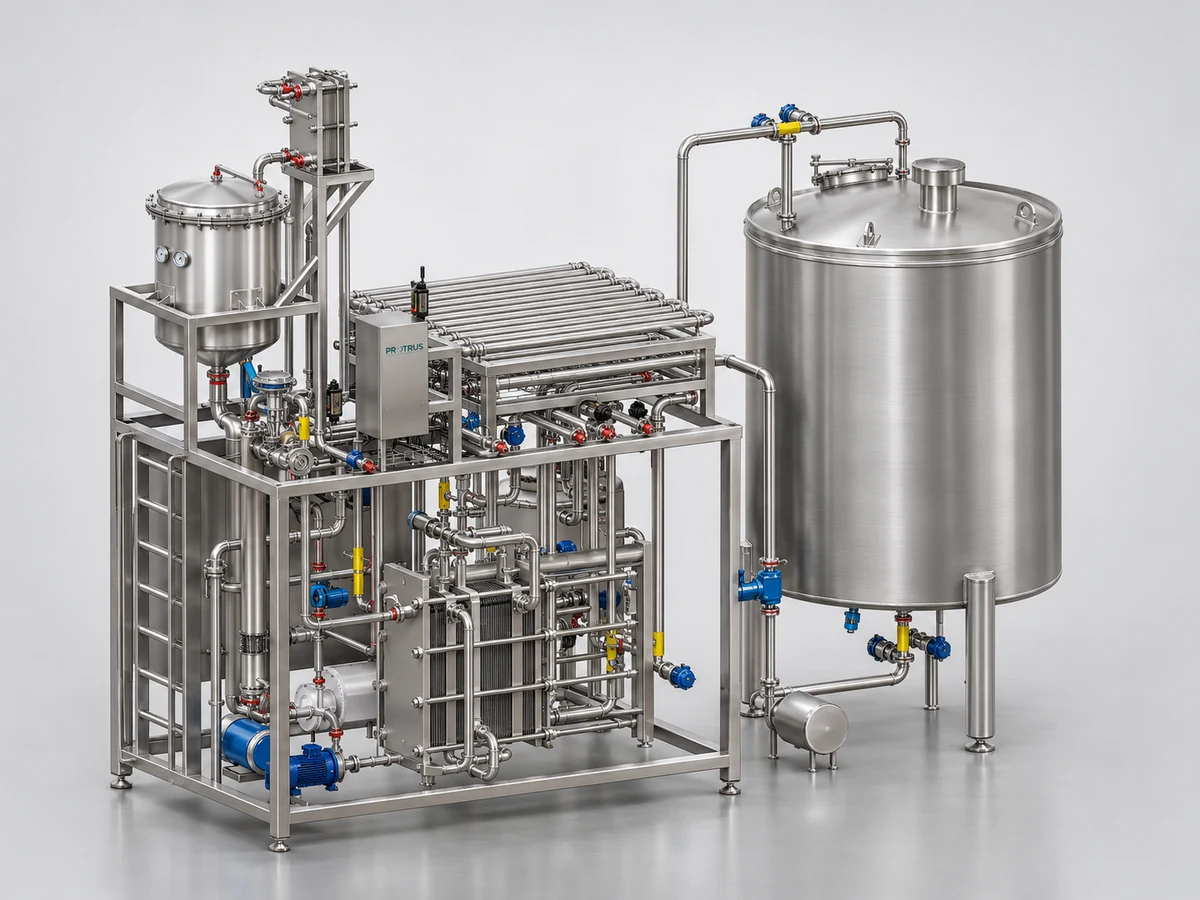
With deaerator and buffer tank.
Juice Pasteurizer Configurations and Heat Exchangers

Tubular pasteurizer with homogenizer.
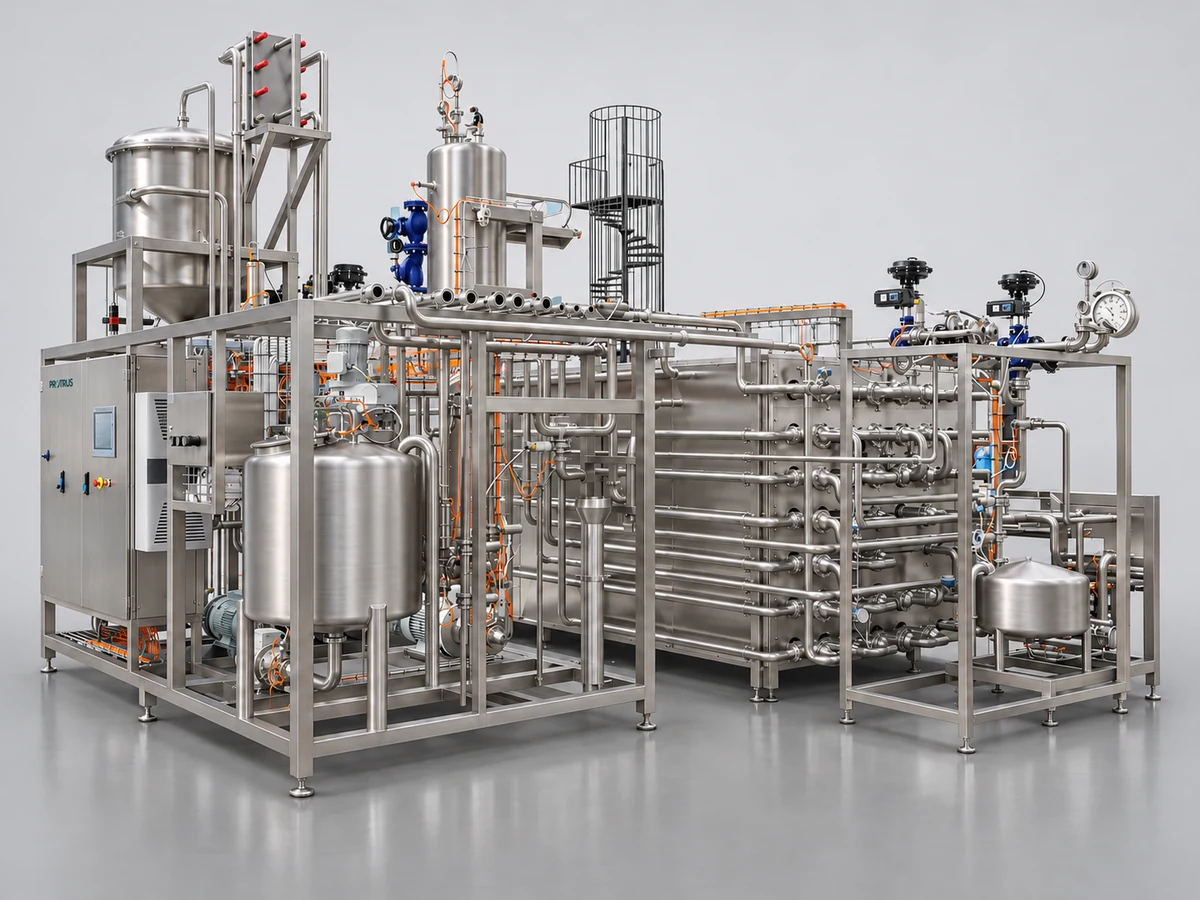
Pasteurizer with vacuum deaerator.
Plate pack, exploded view.
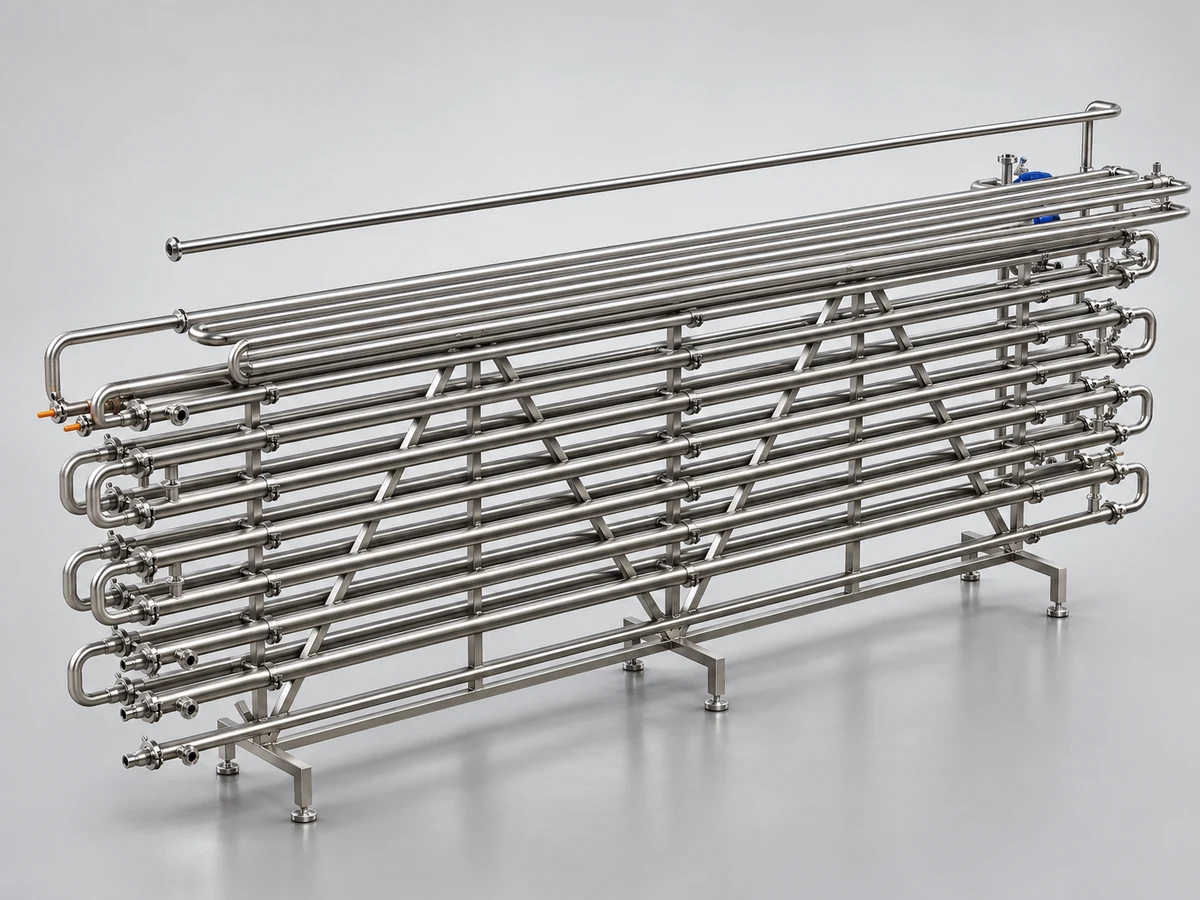
Multi-pass tubular heater.
Applications
Typical Products
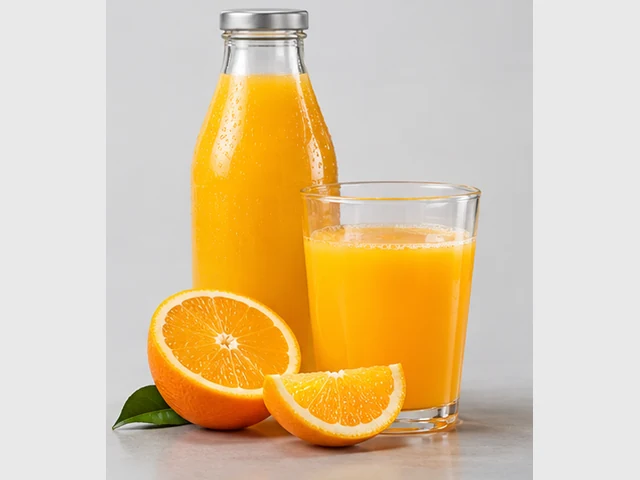
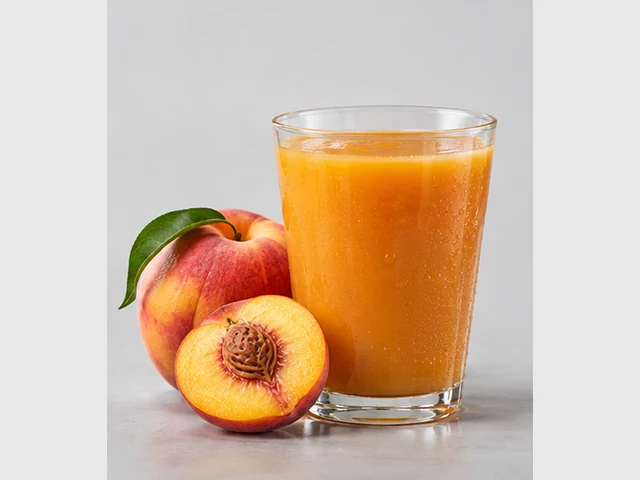
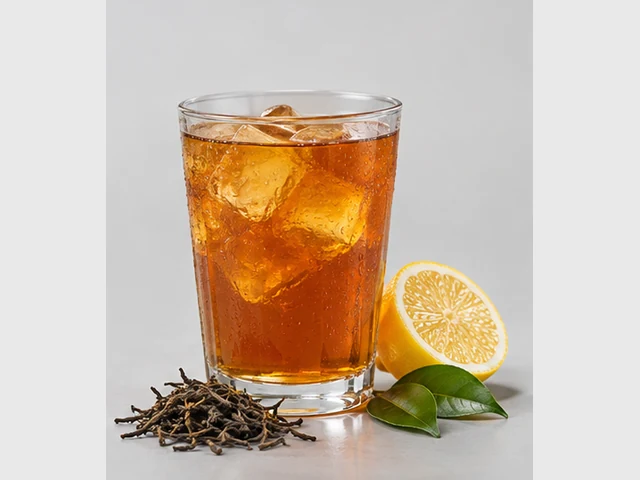
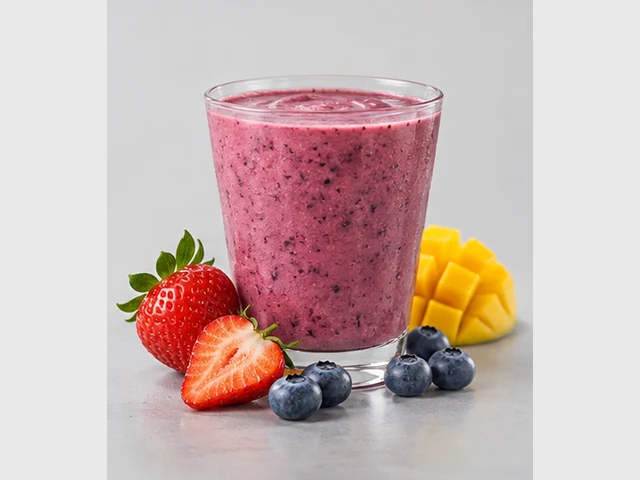
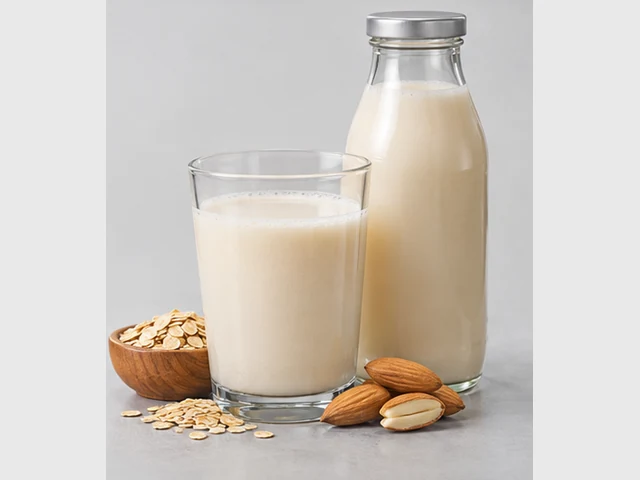
In beverage plants the same platform pasteurizes juice, nectar, tea, soft drinks and plant-based drinks; in dairy plants it prepares milk, cream and mixes for the next step.

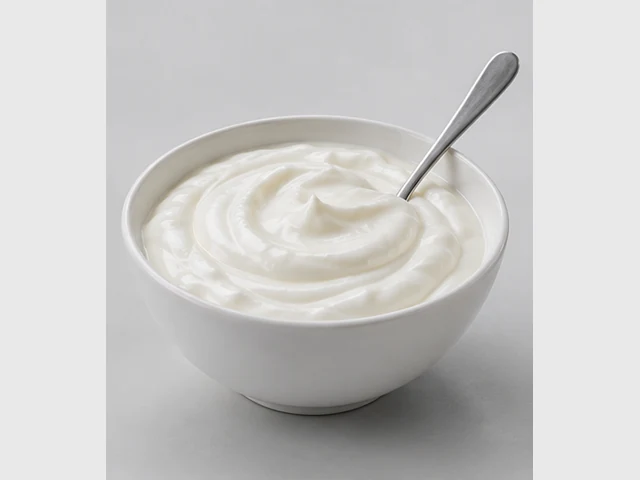
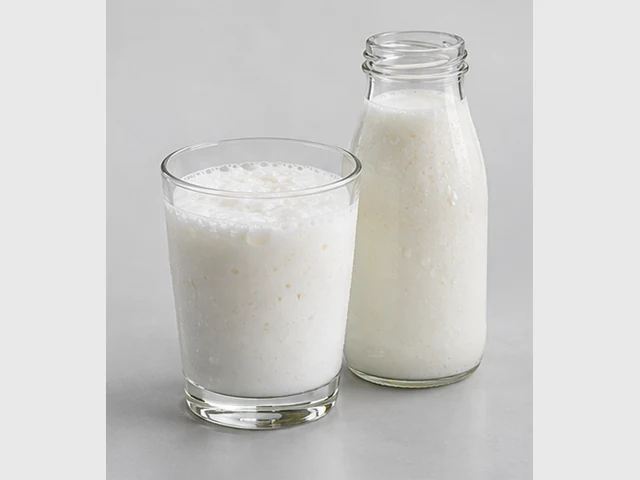
Application Areas in Dairy Plants



Utilities: 3 × 400 V 50 Hz (others on request), steam 2–3 bar(g), cooling water and ice water 2–3 bar(g), oil-free instrument air 6 bar(g). Every pasteurizer is water tested in the Protrus workshop before shipment. For shelf-stable dairy, see our UHT units; for cleaning, our CIP units.
Frequently Asked Questions About Pasteurizers
Have a question about temperatures, capacities or heat exchangers? Ask our process engineers.
Get a Quote
Send Us Your Product and Capacity
Tell us the product, liters per hour, inlet and outlet temperatures, and whether a separator, homogenizer or deaerator joins the line. Protrus engineers size the heat exchanger, holding tube and utilities and deliver a tested skid.
Prefer email? info@protrus.com