

Hygienic Industrial Flooring · Acid-Resistant Tiles
Hygienic Flooring Solutions
Industrial ceramic floor tiles that withstand acids, alkalis, oils, hot wash-down water and forklift traffic. Six formats, 15 or 18 mm thick, slip resistance from R9 to R12 and ten colors for food plants, dairies, laboratories and chemical areas.

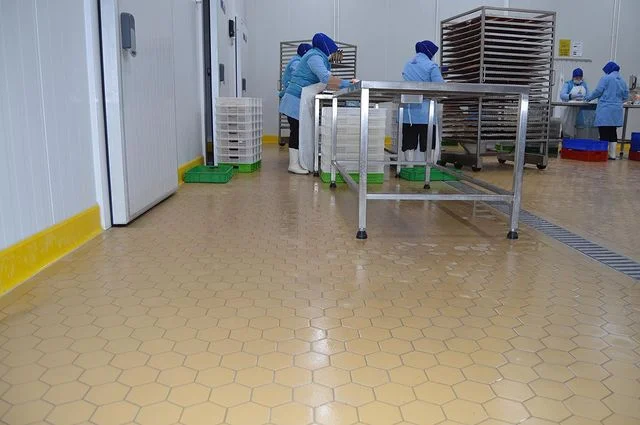
Hexagon acid-resistant tiles in a wet food processing area
6 formats
Hexagon, rectangular, square and interlocking
15 or 18 mm
Body thickness (0.59 or 0.71 in) for heavy traffic
R9 to R12
Slip resistance classes, matte surface
10 colors
From standard beige to traffic yellow
Floors That Stay Sound Under Acids, Heat and Heavy Loads
Floors in food and chemical plants take more punishment than almost any other surface: lactic and citric acid, brine, fats, caustic CIP returns, near-boiling wash-down water and loaded pallet trucks, often all on the same day. Coatings and ordinary floor tiles crack, delaminate or start absorbing dirt, and a damaged floor quickly becomes a hygiene and safety problem.
Protrus acid-resistant floor tiles are fully vitrified industrial ceramic tiles pressed on 4,600-tonne presses and fired at 1,200 °C (2,192 °F). The result is a dense, non-porous body that chemicals, oils and temperature changes do not attack, with a matte, slip-resistant surface that keeps its color and texture for decades of daily cleaning.
Matte, slip-resistant face
Textured surface in R9–R12 classes keeps footing on wet, greasy floors.
Dense vitrified body
Non-porous ceramic does not absorb liquids, dirt or bacteria-laden residues.
Keyed back with channels
Bonding grooves on the underside increase adhesion to the mortar bed.
Tapered, articulated edges
Conical edges create a full-depth joint for the chemical-resistant grout.
What makes a tile acid-resistant: the four design features shared by every Protrus format. Values and options are confirmed per project.
Acid-Resistant Tile Formats at a Glance
Every format uses the same chemically resistant ceramic body and comes in the same ten colors. The shape decides how the floor follows drainage falls, how it carries wheeled traffic and how it looks. Select a format to jump to its details.
| Format | Nominal size | Inches | Thickness | Slip resistance | Colors |
|---|---|---|---|---|---|
| Hexagon 100 × 116 | 100 × 116 mm | 3.9 × 4.6 in | Ask for options | R9 – R12 | 10 |
| Hexagon 150 × 175 | 150 × 175 mm | 5.9 × 6.9 in | 15 or 18 mm | R9 – R12 | 10 |
| Rectangular 100 × 200 | 100 × 200 mm | 3.9 × 7.9 in | 15 or 18 mm | R9 – R12 | 10 |
| Square 200 × 200 | 200 × 200 mm | 7.9 × 7.9 in | 15 or 18 mm | R9 – R12 | 10 |
| Interlocking 100 × 150 | 100 × 150 mm | 3.9 × 5.9 in | 15 or 18 mm | R9 – R12 | 10 |
| Interlocking 150 × 200 | 150 × 200 mm | 5.9 × 7.9 in | 15 or 18 mm | R9 – R12 | 10 |
Pairing the floor with new process equipment? See our dairy process solutions, food and beverage processing lines and CIP units. To seal the wall-floor joint and protect walls from carts and forklifts, see our hygienic wall protections.
4,600 t
press force used to form each tile
1,200 °C
firing temperature (2,192 °F)
R9 – R12
slip resistance classes, ramp test
Why Protrus
Format 1 · Hexagon
Hexagon Acid-Resistant Floor Tiles
The classic food plant floor: small hexagons that follow drainage falls without cut tiles.
Hexagon tiles are the most widely used acid-resistant tile in meat, poultry, dairy and commercial kitchen floors. The six-sided shape spreads point loads across three neighboring tiles, and the short edges let the floor change slope toward channel and point drains with minimal cutting, so water does not pond. Both sizes have a keyed back for adhesion and tapered, articulated edges for a full-depth chemical-resistant joint.
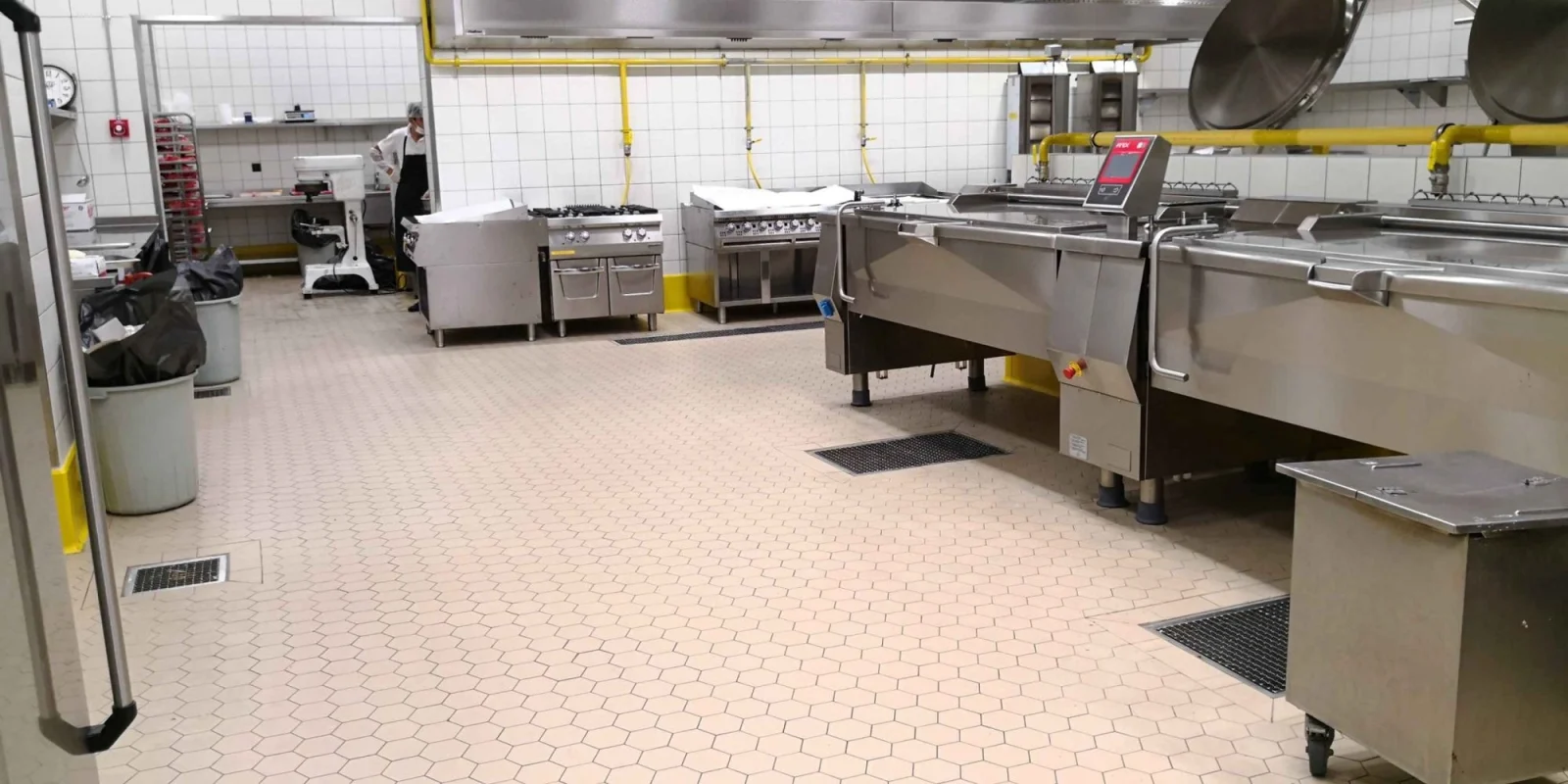
Hexagon tiles in an industrial kitchen with tilting kettles and wash-down area.
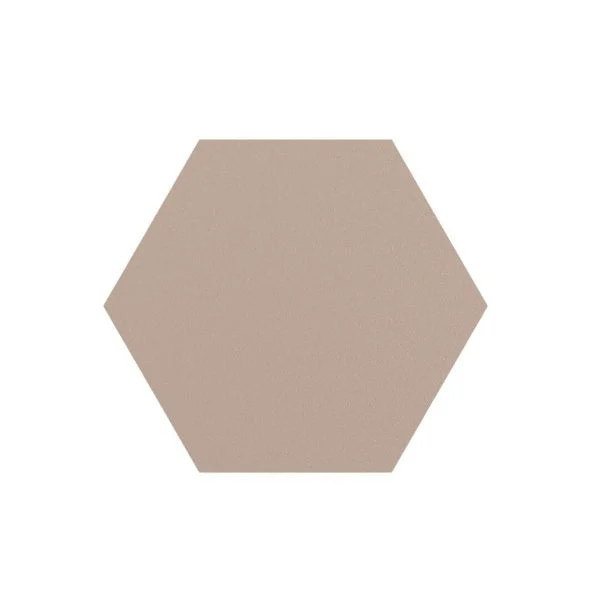
Hexagon 100 × 116 mm
fine pattern for many drains
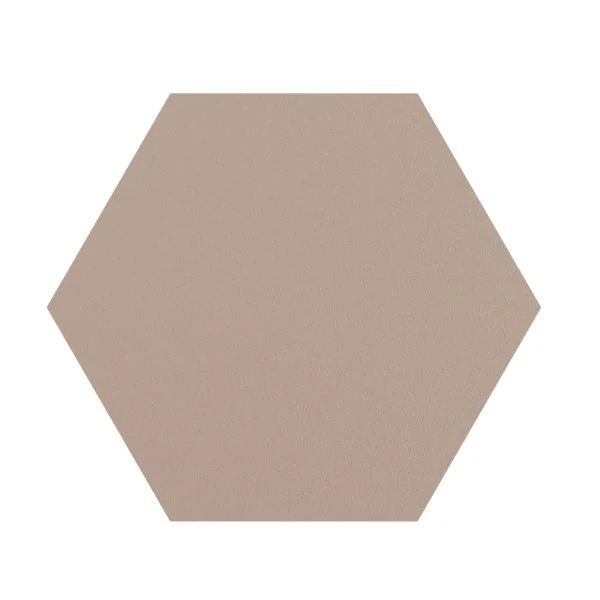
Hexagon 150 × 175 mm
15 or 18 mm thick
100 × 116
mm small hexagon
150 × 175
mm large hexagon
R9 – R12
slip classes
Hexagon Tile Highlights
Format 2 · Rectangular and square
Rectangular and Square Acid-Resistant Tiles
Clean, straight joint lines for corridors, cold rooms, packing halls and retail floors.
Rectangular 100 × 200 mm and square 200 × 200 mm tiles give a calm, orthogonal floor that is easy to set out along walls, conveyors and equipment rows. They are pressed from the same acid-resistant body as the hexagon range, 15 or 18 mm thick, with bonding channels on the back and conical edges that hold the joint grout firmly.
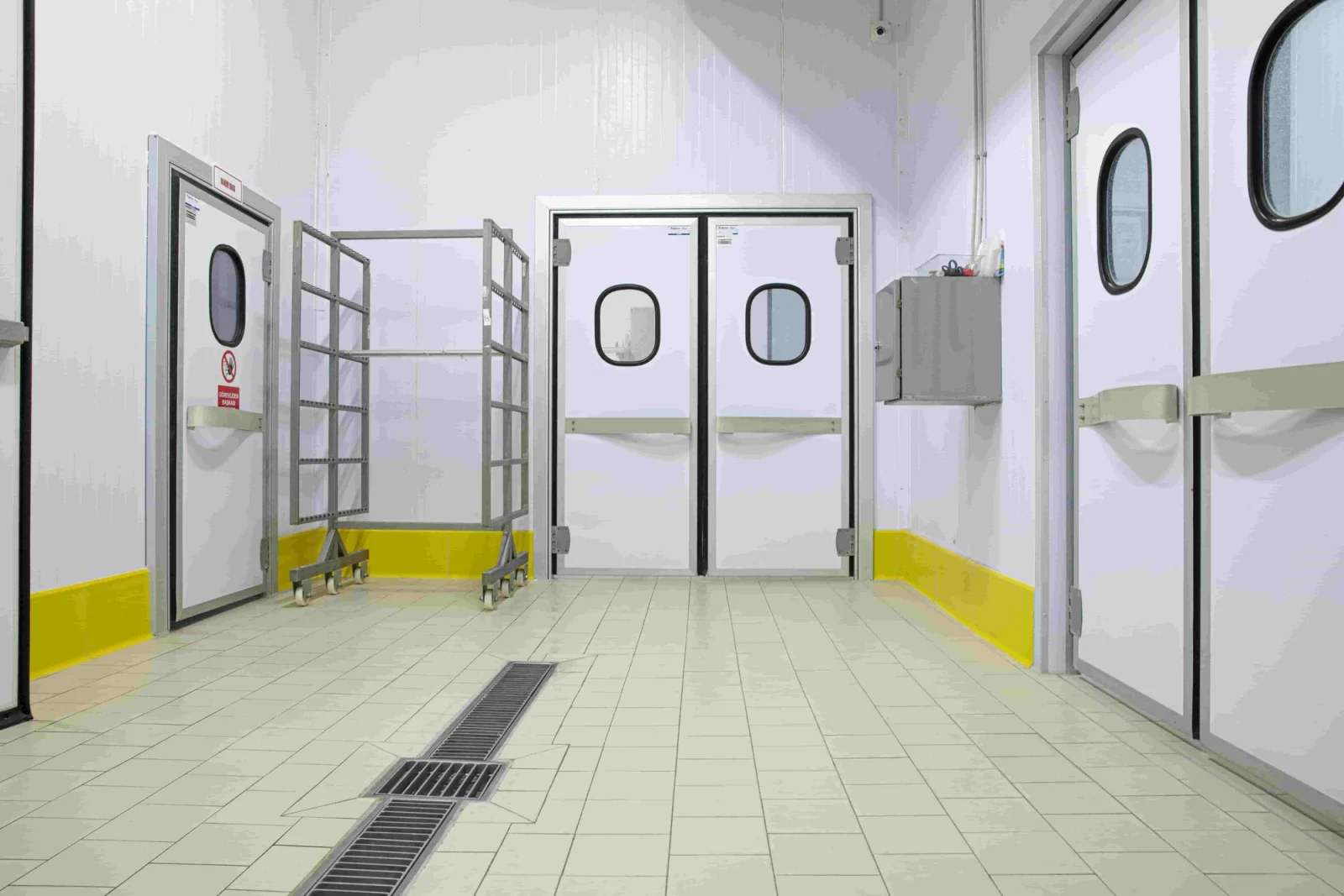
Square acid-resistant tiles in a cold room corridor with a channel drain.
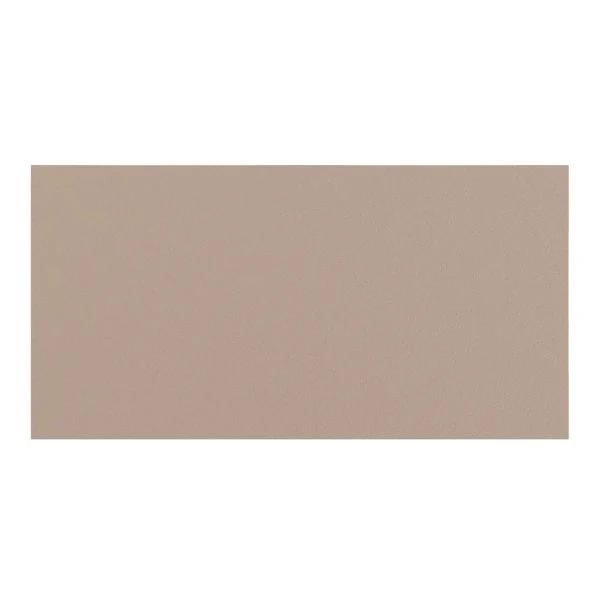
Rectangular 100 × 200 mm
15 or 18 mm thick

Square 200 × 200 mm
15 or 18 mm thick
100 × 200
mm rectangular
200 × 200
mm square
15 / 18 mm
thickness options
Rectangular and Square Tile Highlights
Format 3 · Interlocking
Interlocking Acid-Resistant Tiles
Profiled edges that lock each tile into its neighbors for floors with heavy wheeled traffic.
Interlocking tiles combine a rectangular footprint with angled, profiled sides. Each tile keys into the tiles around it, so horizontal forces from braking forklifts, pallet trucks and turning trolleys are shared across the floor instead of acting on a single edge. Available in 100 × 150 mm and 150 × 200 mm, 15 or 18 mm thick, R9 to R12.
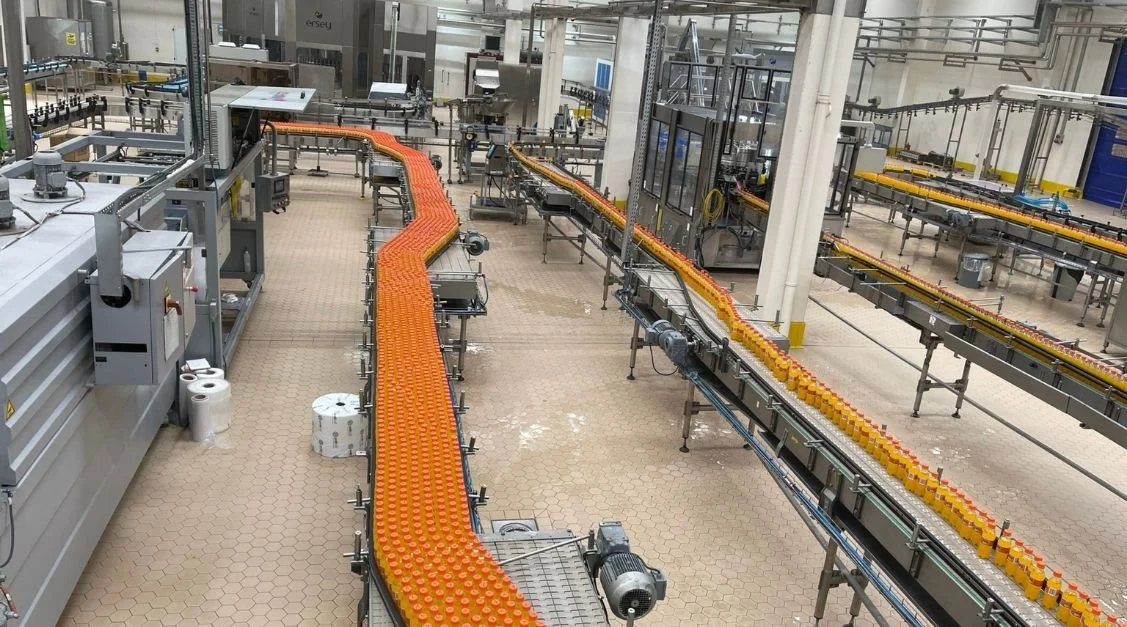
Acid-resistant tile floor under a high-speed bottling and conveyor line.
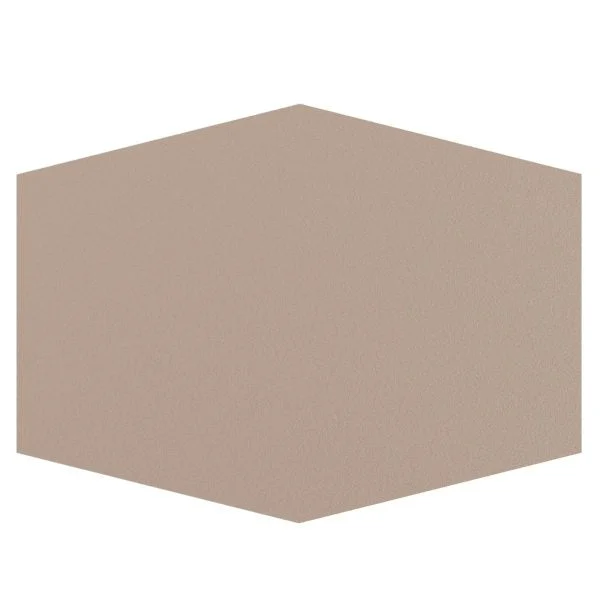
Interlocking 100 × 150 mm
15 or 18 mm thick
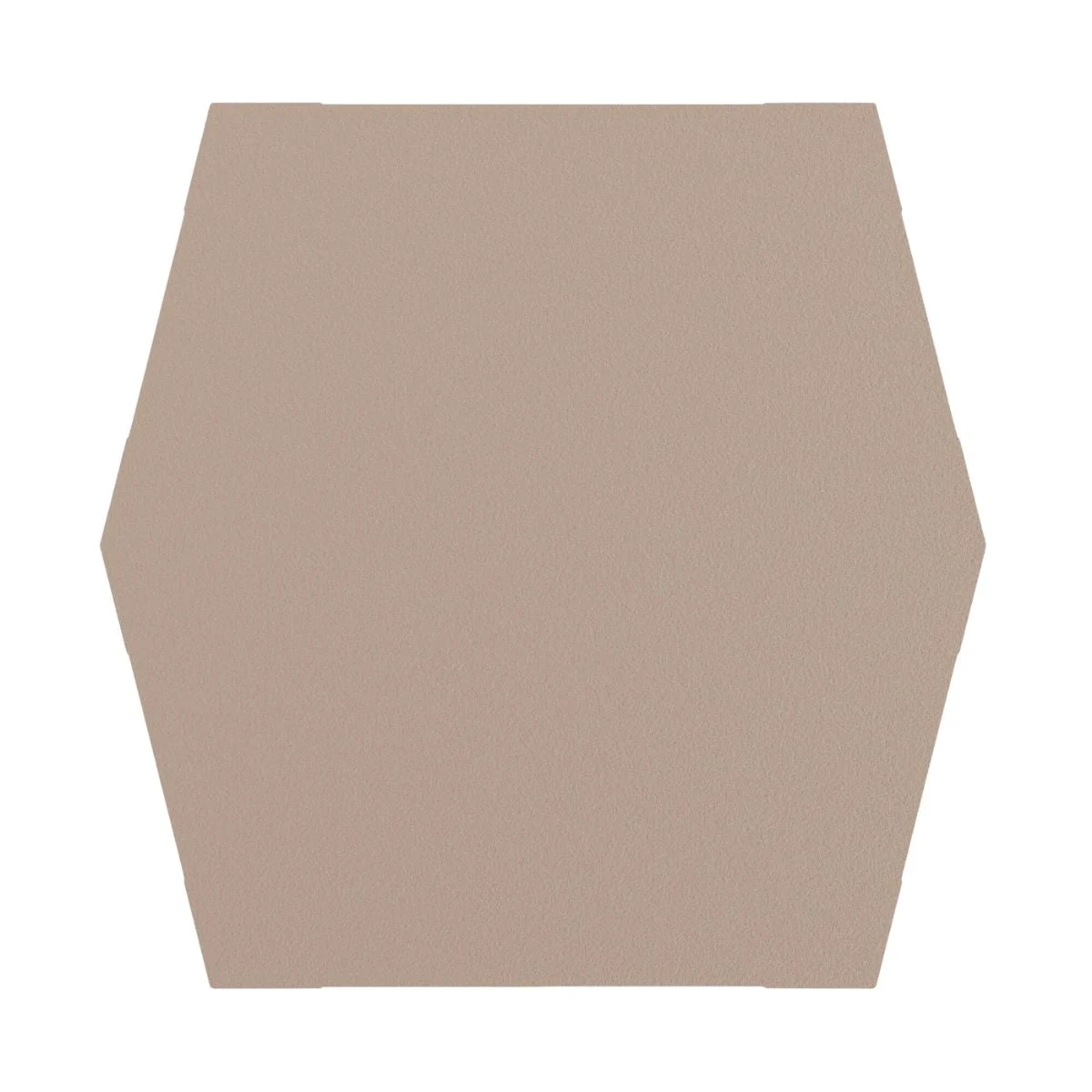
Interlocking 150 × 200 mm
15 or 18 mm thick
100 × 150
mm interlocking
150 × 200
mm interlocking
R9 – R12
slip classes
Interlocking Tile Highlights
Ten Colors for Zoning and Safety Marking
All six formats are produced in the same ten through-body colors. Use beige or gray for production floors, traffic yellow for walkways and hazard edges, and blue, green or burgundy to separate raw and cooked areas, allergen zones or cold rooms. Because the color is part of the fired ceramic, it does not fade or wear off.
Standard Beige

Mustard Yellow
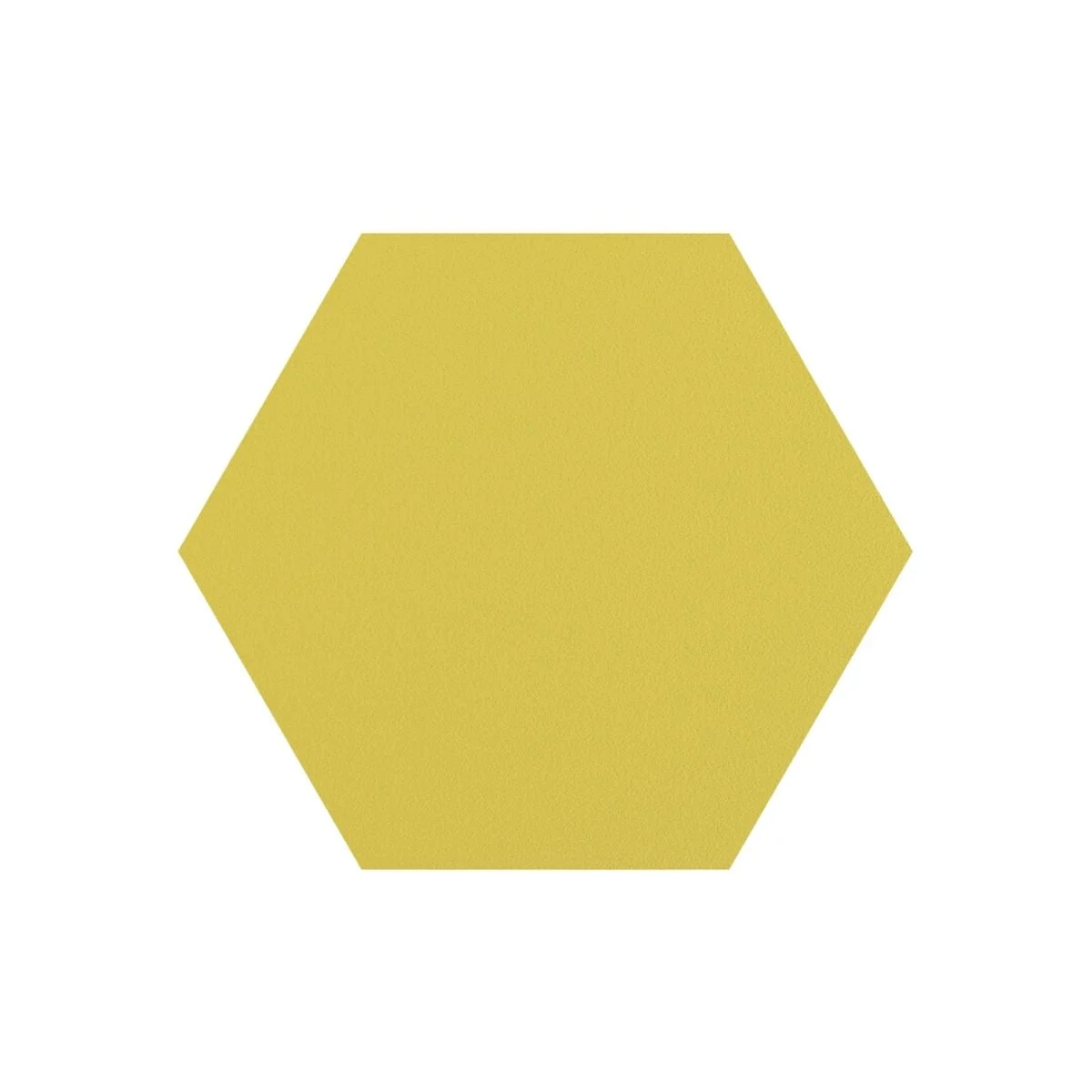
Traffic Yellow
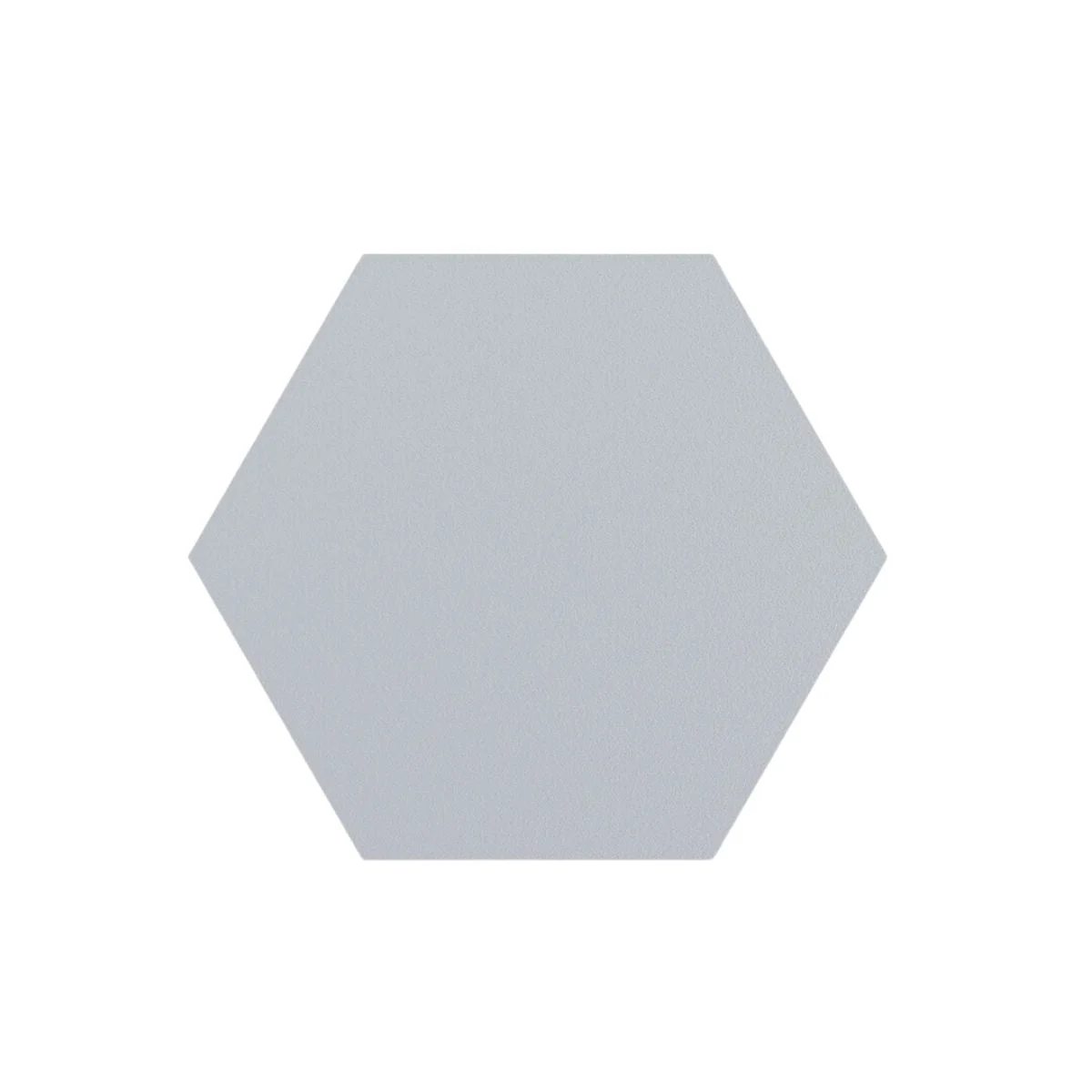
Light Gray
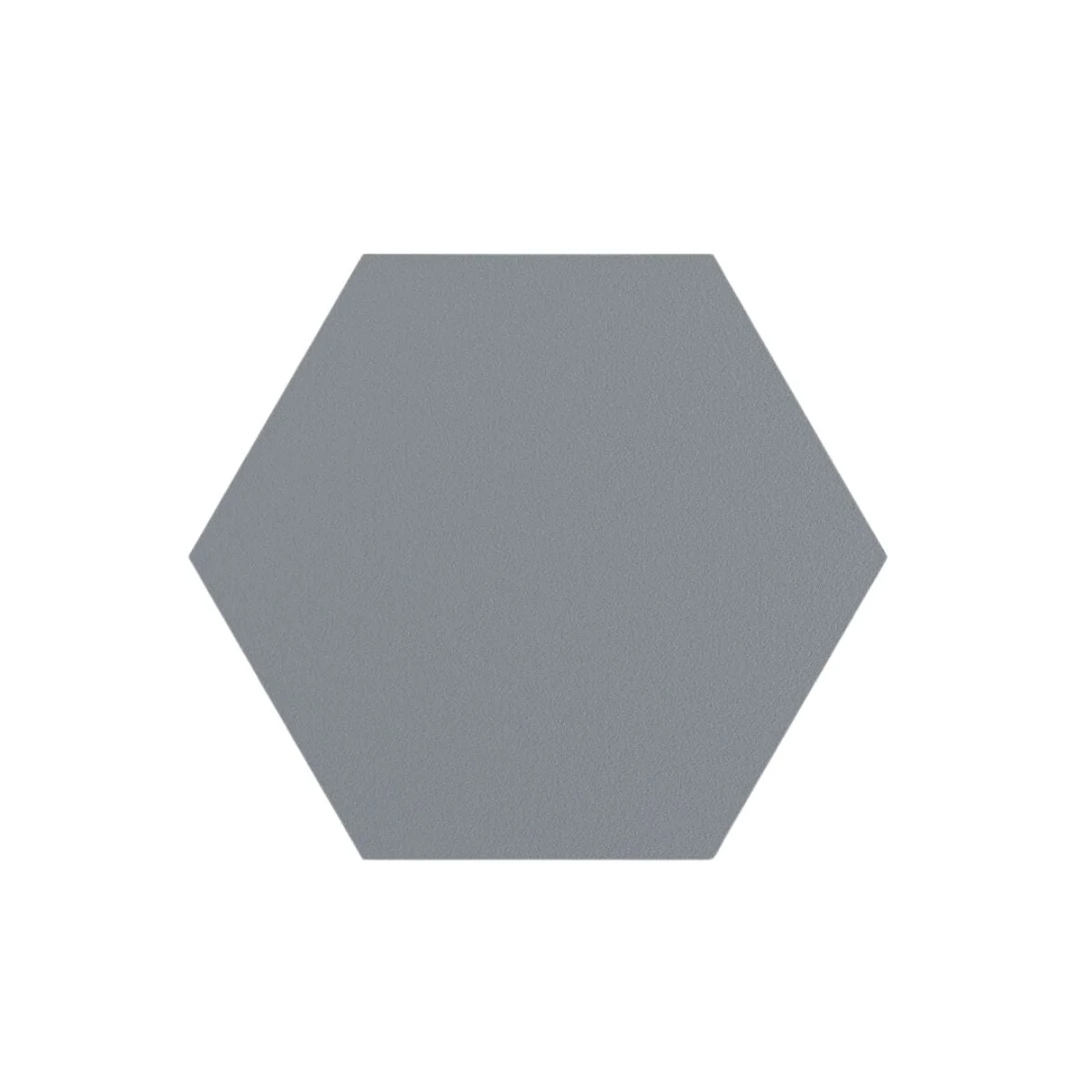
Medium Gray

Green

Blue
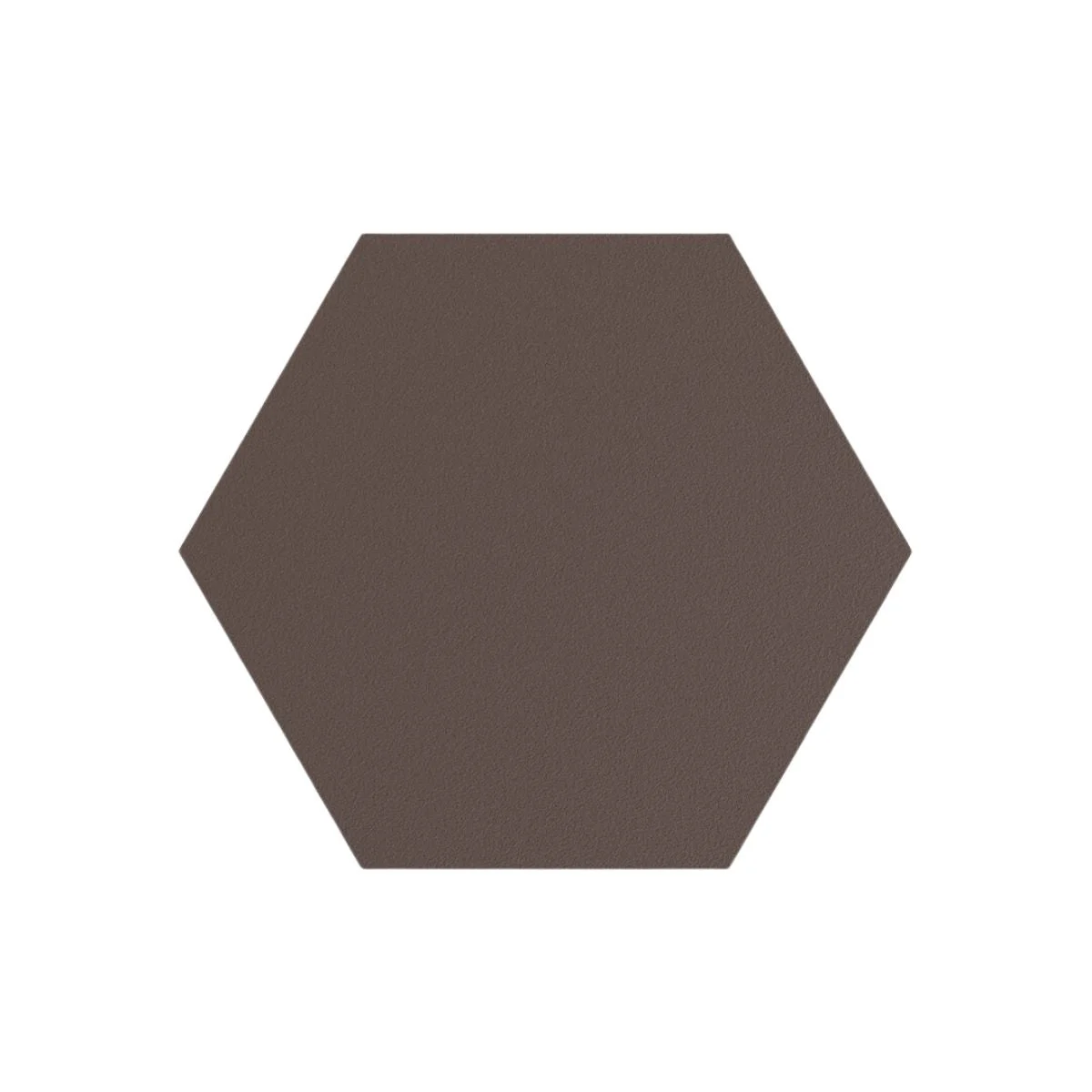
Brown
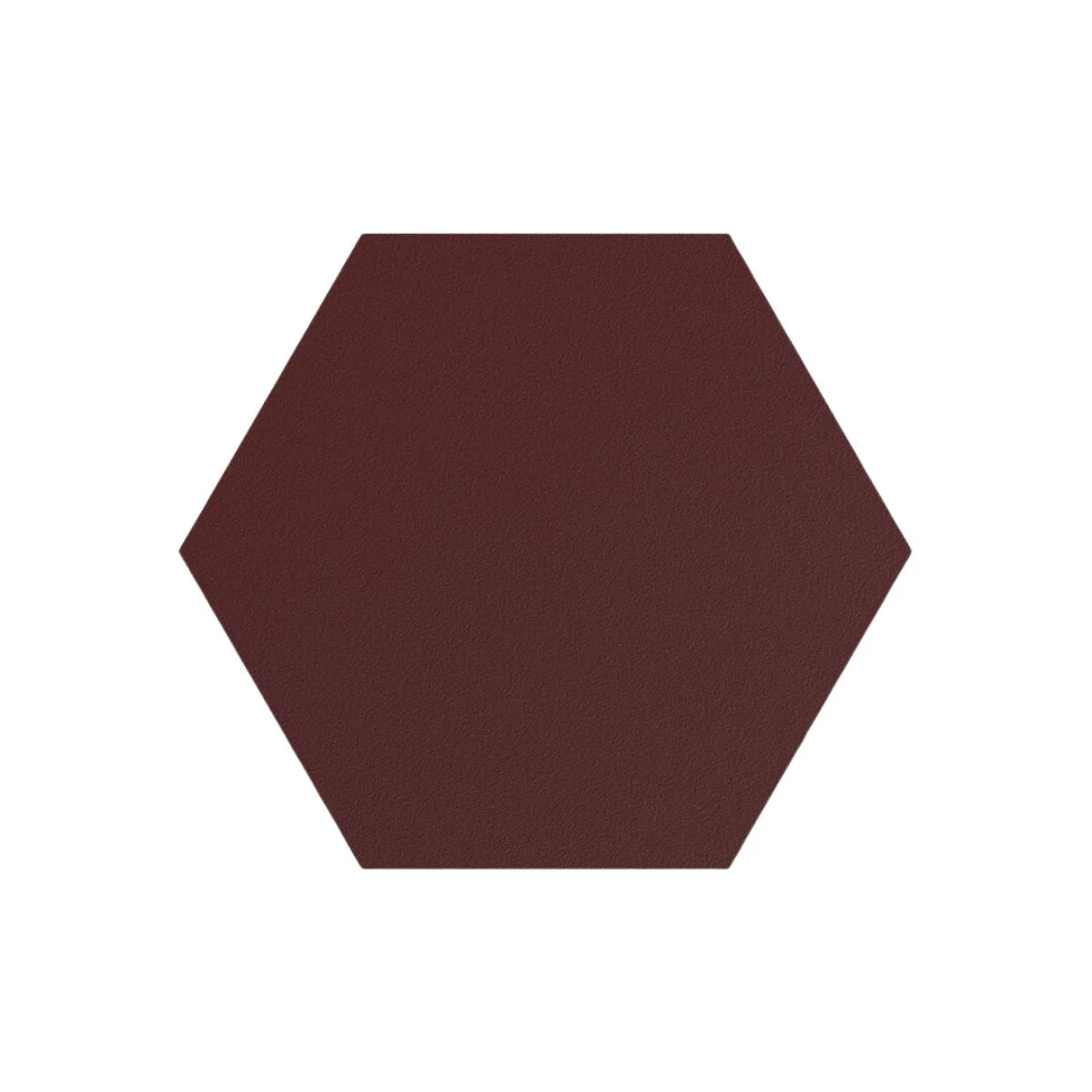
Burgundy

Black
Where Acid-Resistant Floor Tiles Are Used
Acid-resistant ceramic tiles are the standard floor wherever hygiene, chemicals and heavy traffic meet. Food production is the largest field of use, but the same properties are needed in chemical, pharmaceutical and public buildings.
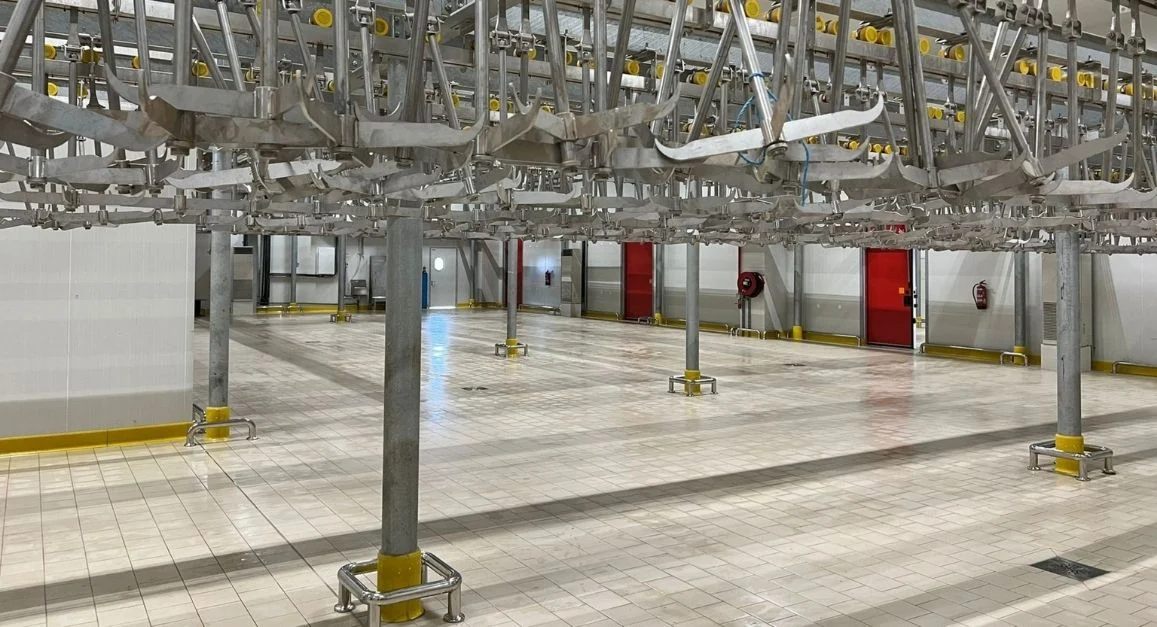
Meat and Poultry Processing
Blood, fat and brine resistance with high slip classes for slaughter, cutting and deboning halls.
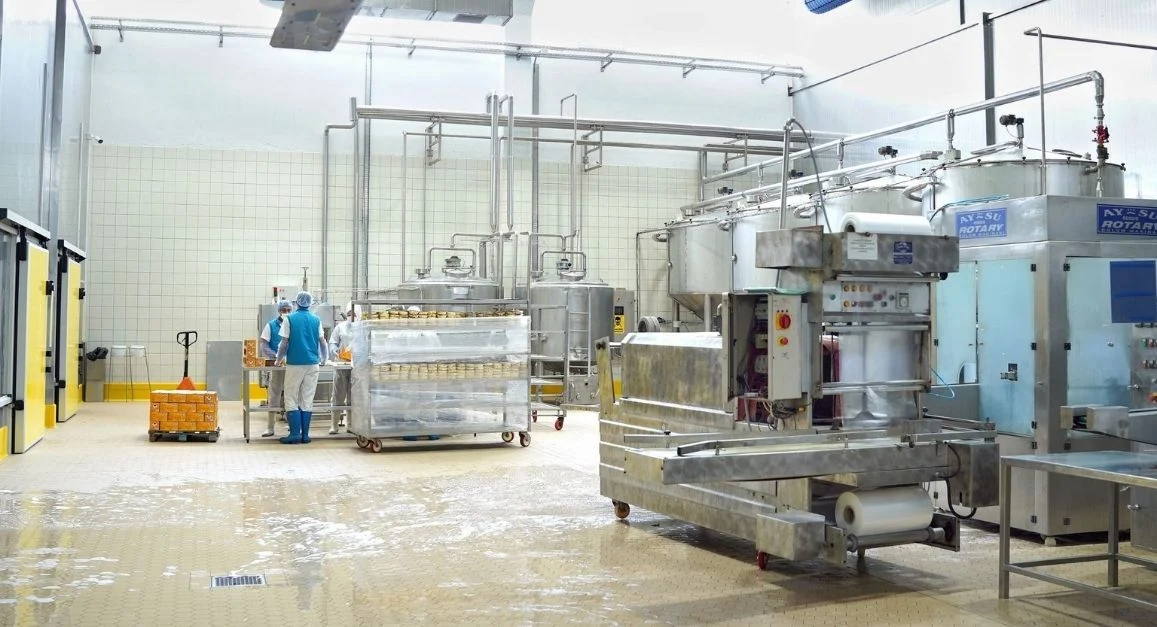
Dairy and Beverage Plants
Lactic acid, whey, caustic and acid CIP returns, hot water and constant wet cleaning.
Seafood Processing
Salt water, ice and fish oils on floors that are washed down several times per shift.
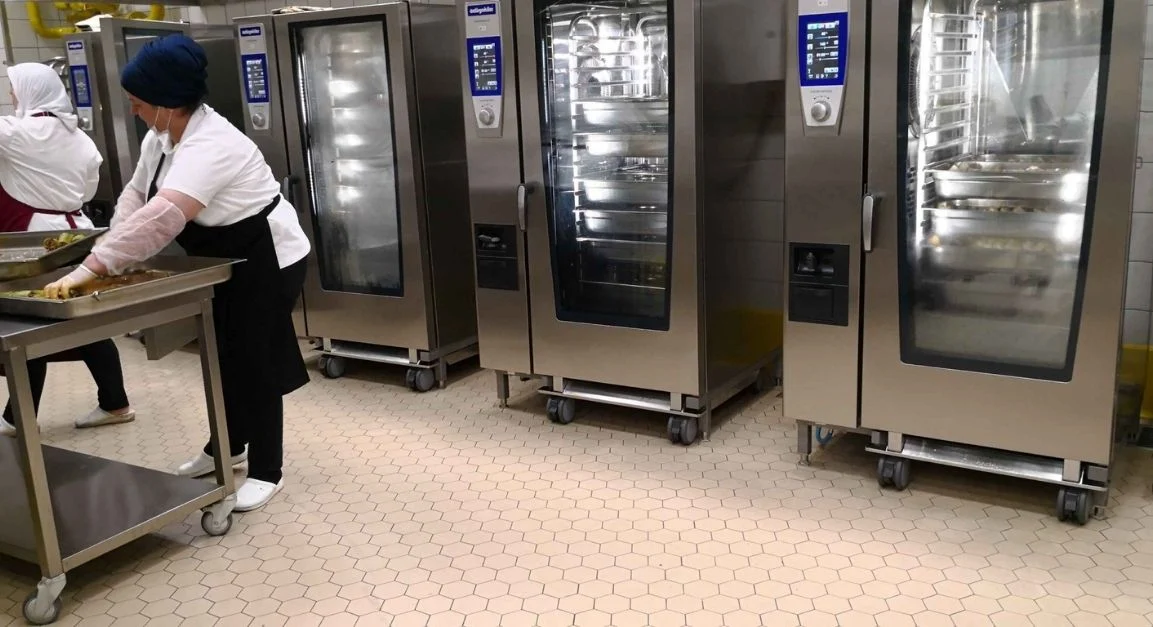
Bakeries and Commercial Kitchens
Fryer oil, sugar, flour paste and steam around ovens, kettles and combi steamers.
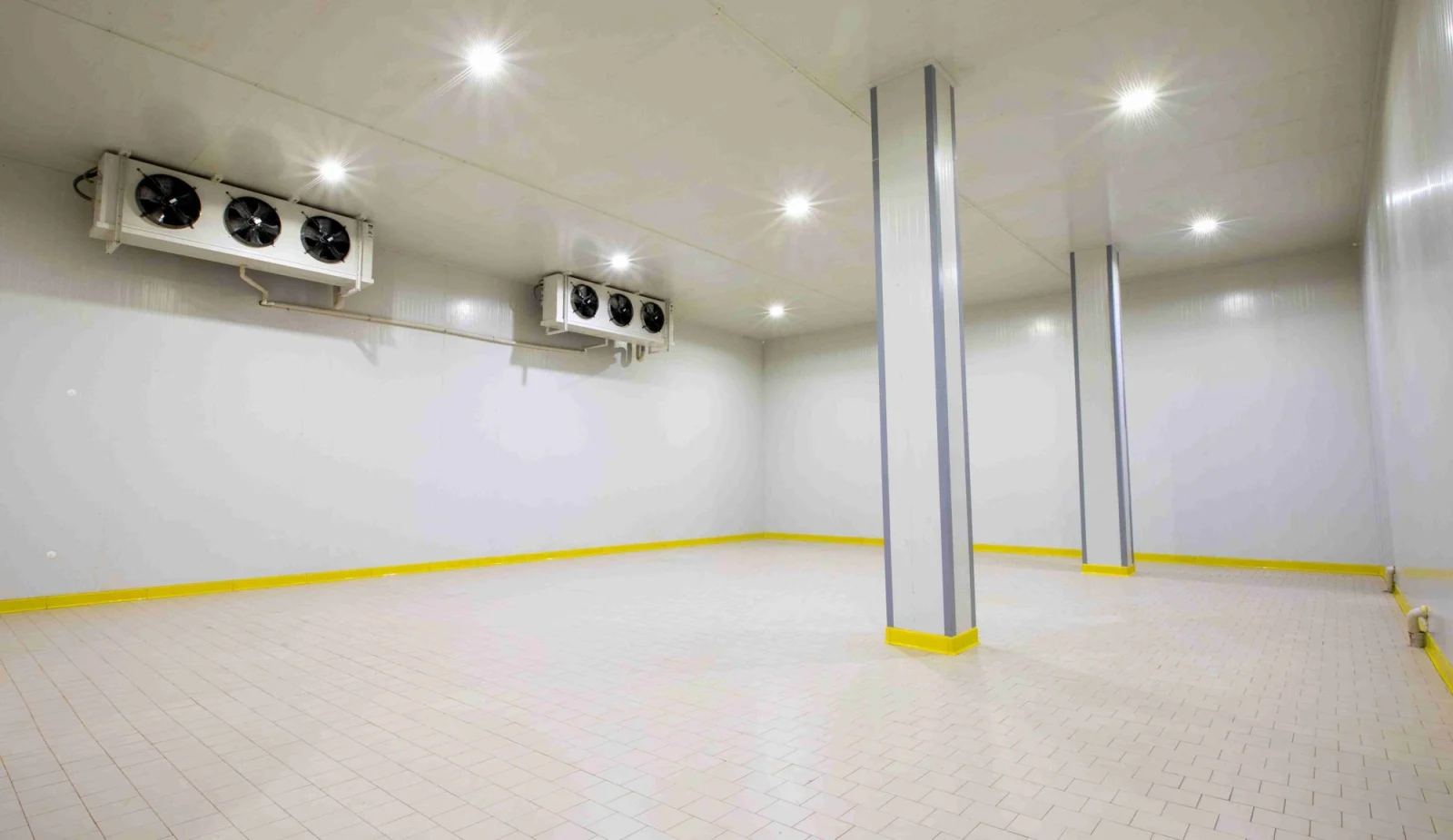
Cold Rooms and Freezers
Temperature cycling between cold storage and ambient wash-down without cracking.
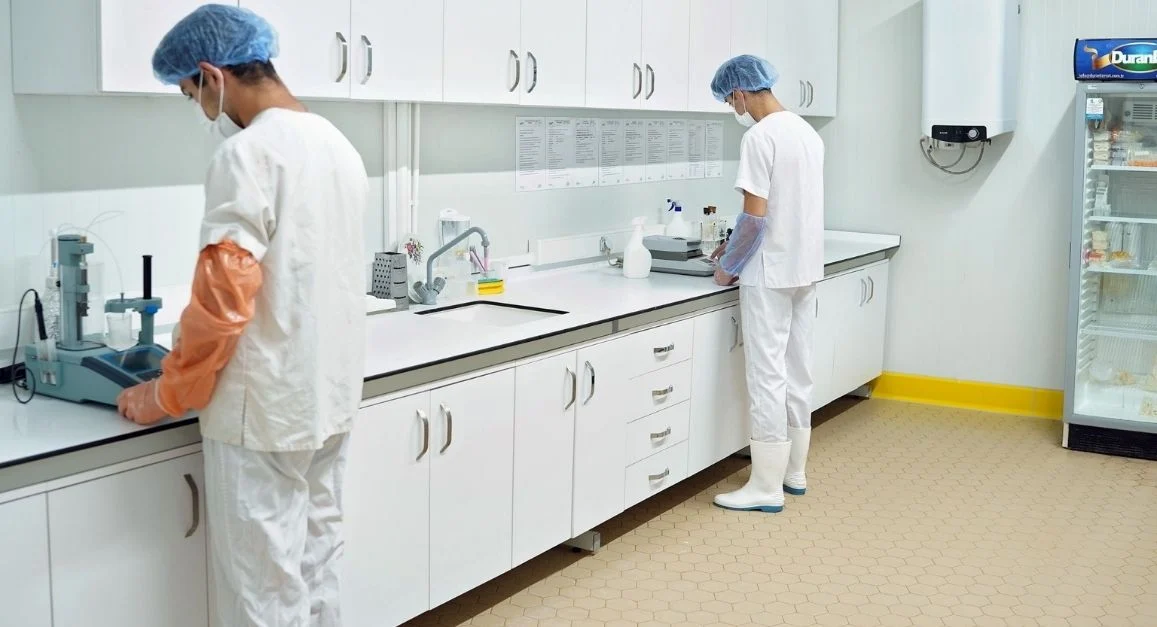
Laboratories and Pharma
Spilled reagents, solvents and disinfectants in labs, drug plants and warehouses.
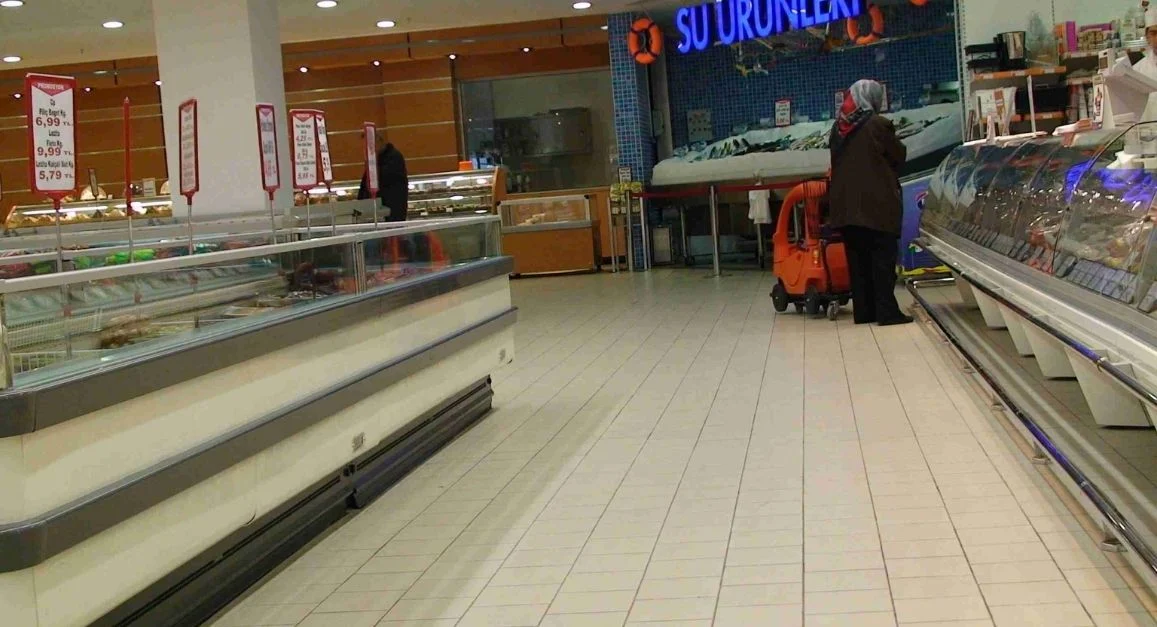
Supermarkets and Retail
Hard-wearing floors for fresh meat, fish and deli counters and busy shopping aisles.
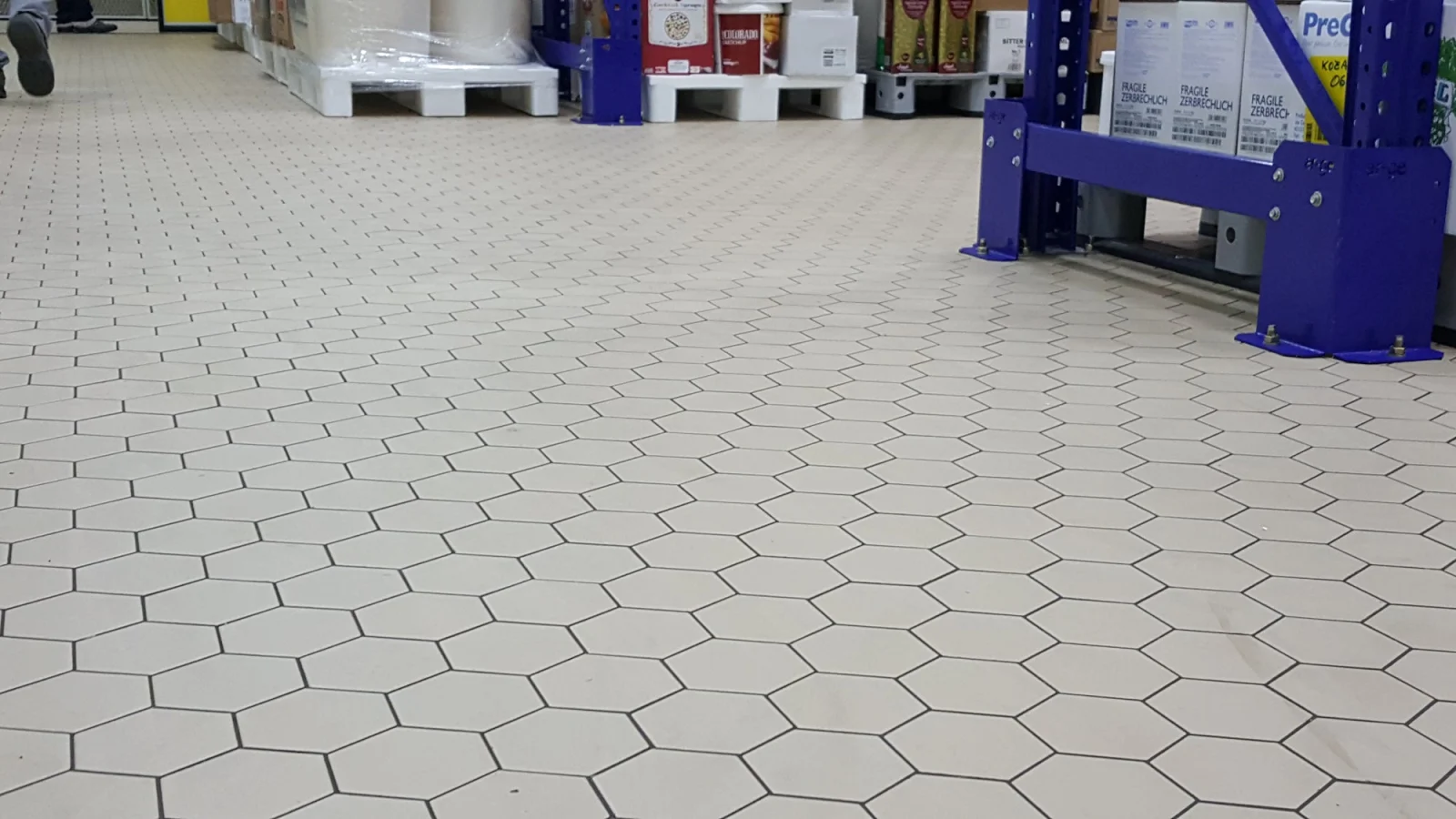
Warehouses and Logistics
Forklift and pallet truck traffic in food storage, dispatch and loading areas.
Other Industries
How to Choose the Right Acid-Resistant Tile
Five questions settle format, thickness and slip class. Send us the answers and our engineers will recommend a floor build-up for each room.
Slip Resistance Classes (DIN 51130)
R classes come from a ramp test on an oil-coated sample: the steeper the angle at which a tester can still walk safely, the higher the class.
| Class | Acceptance angle | Slip resistance |
|---|---|---|
| R9 | 6° – 10° | Lowest slip resistance class |
| R10 | over 10° – 19° | Moderate |
| R11 | over 19° – 27° | High |
| R12 | over 27° – 35° | Very high |
Chemical exposure
List the acids, alkalis, salts, oils and cleaning agents that reach the floor, with concentration and temperature. This decides the joint material as much as the tile.
Traffic and loads
Pedestrian areas, hand pallet trucks and forklifts need different thickness and format. Heavy wheeled traffic points to 18 mm and interlocking or hexagon tiles.
Slip resistance
Choose the R class for the contamination on the floor: water, fat, blood or oil. Higher classes give more grip but need more scrubbing.
Temperature
Hot wash-down, steam cleaning, ovens and freezers all stress the floor. Acid-resistant tiles tolerate thermal shock; the bedding and joints must be specified for it too.
Drainage layout
Small hexagons follow multiple falls to drains easily; large square tiles suit flat areas with fewer gullies.

Wet production floor with coved skirting and joints sealed to the wall.
Installation and Maintenance
A tiled floor is only as resistant as its weakest layer. Protrus tiles are laid with the vibration installation technique: each tile is vibrated into a fresh mortar bed so the keyed back is fully embedded, with no voids where liquids could collect. The tapered edges form a full-depth joint that is then filled with a chemical-resistant resin grout chosen for the chemicals and temperatures on site.
After installation
Frequently Asked Questions About Acid-Resistant Floor Tiles
Have a question about chemicals, traffic or slip resistance? Ask our engineers.
Get a Quote
Planning an Acid-Resistant Floor?
Send us your floor plan and a short room list. Our engineers will recommend the format, thickness, slip class and color for each area and return a quantity estimate and a budget offer.
Prefer email? info@protrus.com